
OVER 128,000+
Drivers Back on the Road
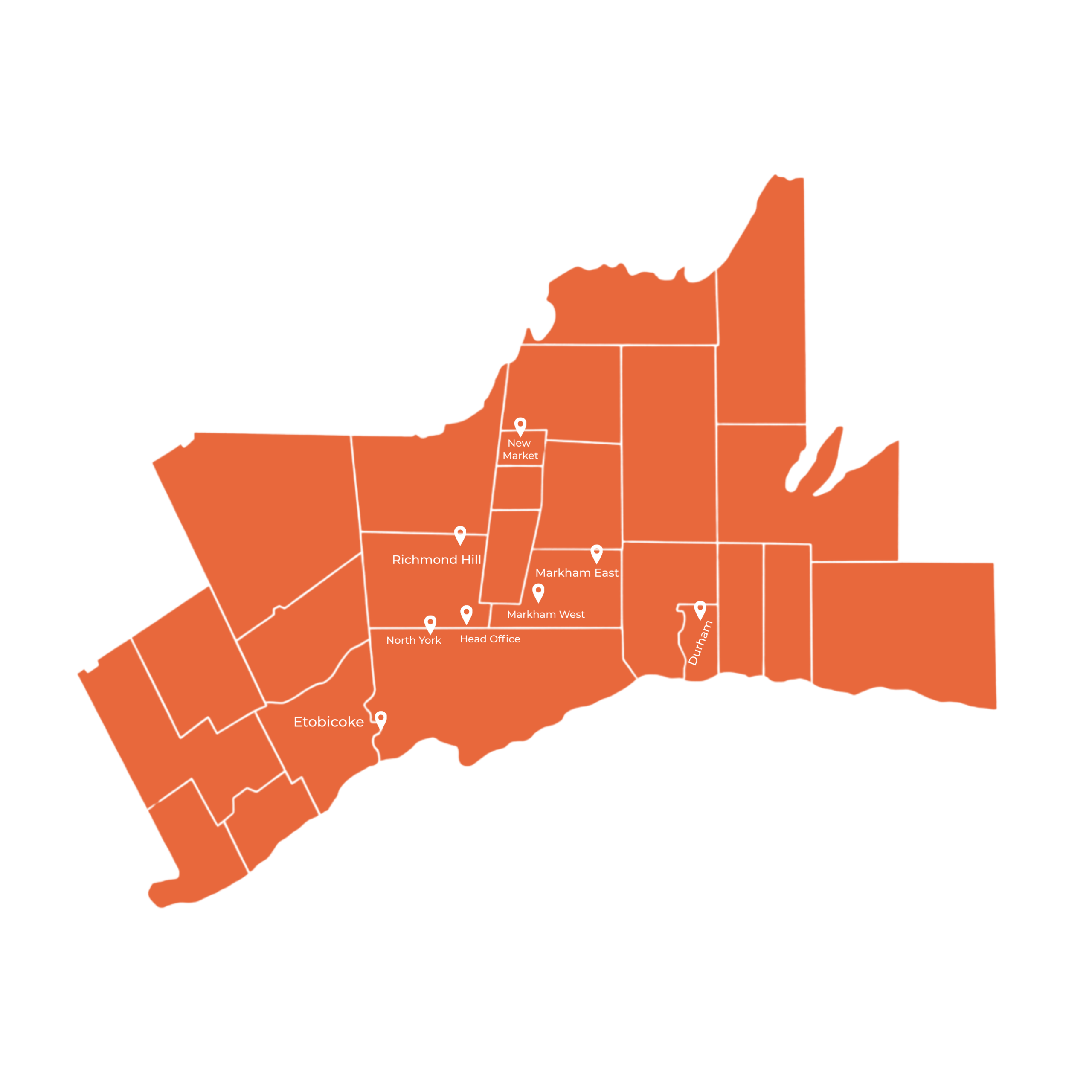
Locations
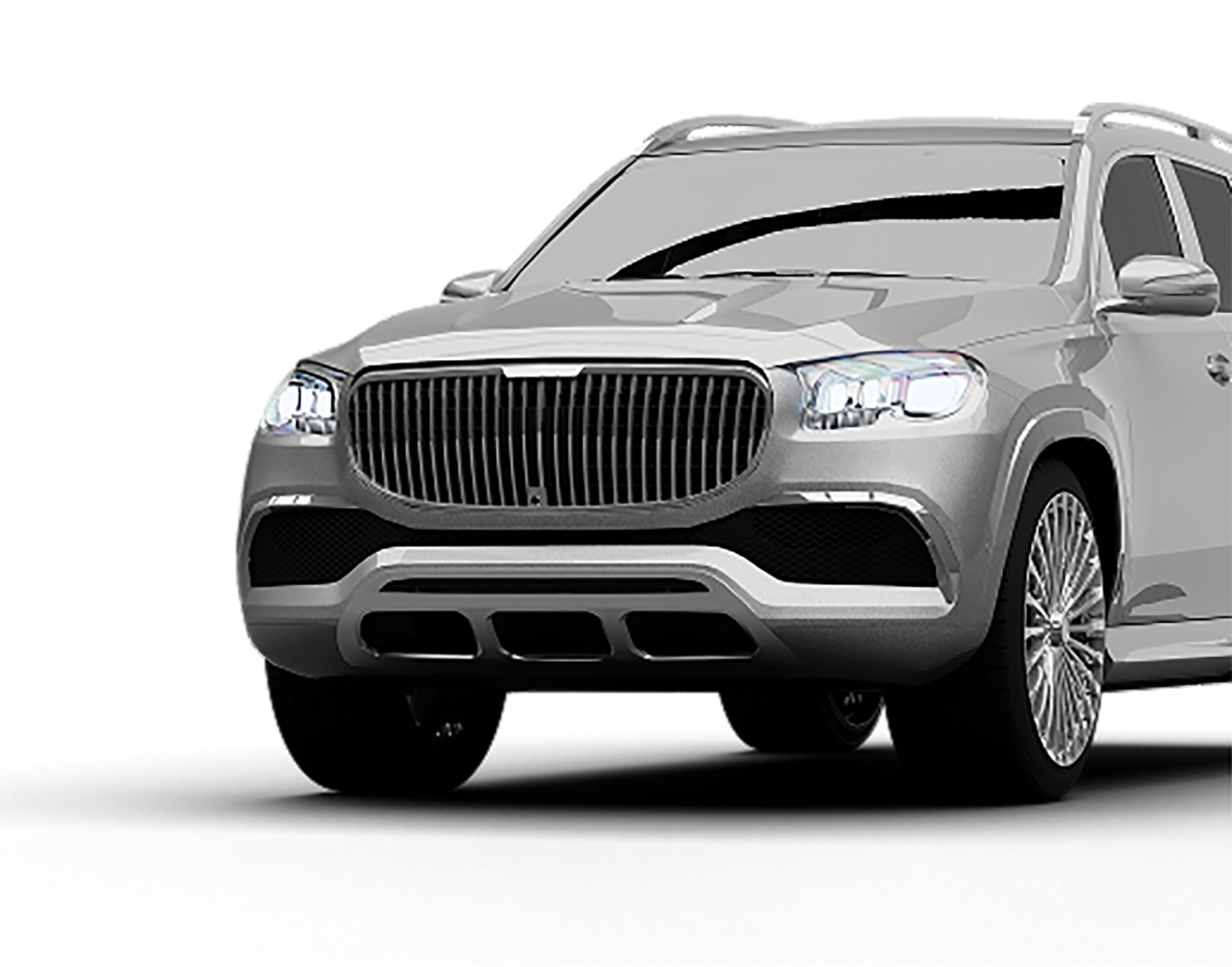

We work directly with all major insurance companies, so you never pay out of pocket for your accident replacement car rental in Toronto, the GTA, or anywhere in Ontario.
We pick you up from home, work, or the accident scene and drop you off once your replacement car, SUV, truck, electric, or luxury vehicle is ready. This service is completely hassle-free and convenient, offering delivery and pickup options tailored to your needs.

Our team works hand in hand with your insurance adjuster and body shop, making your accident courtesy vehicle rental process smooth from start to finish and ensuring all claim and coverage needs are addressed.

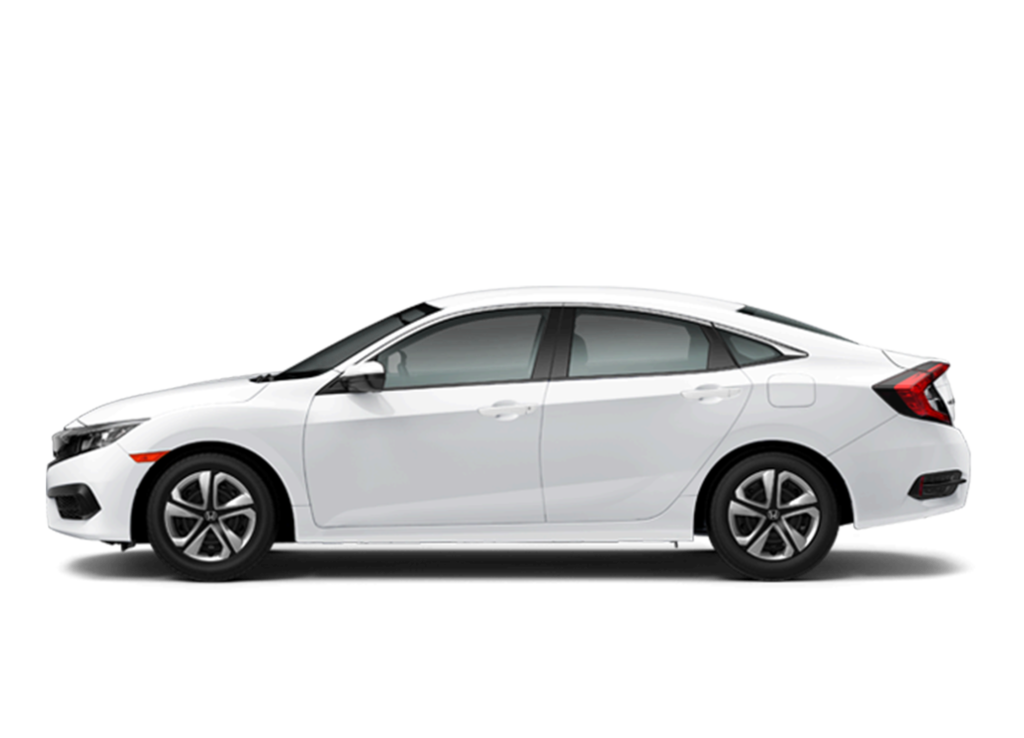
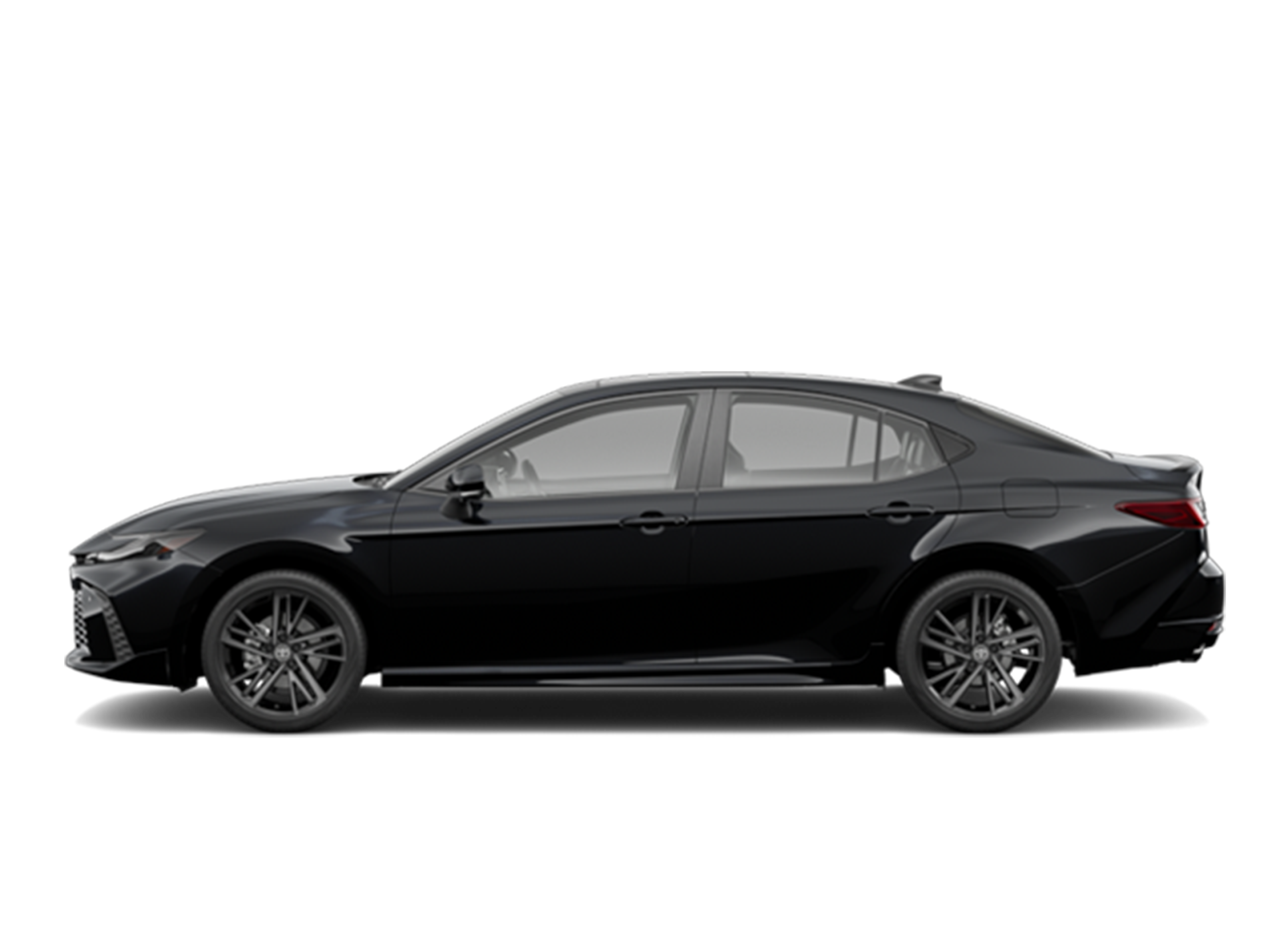
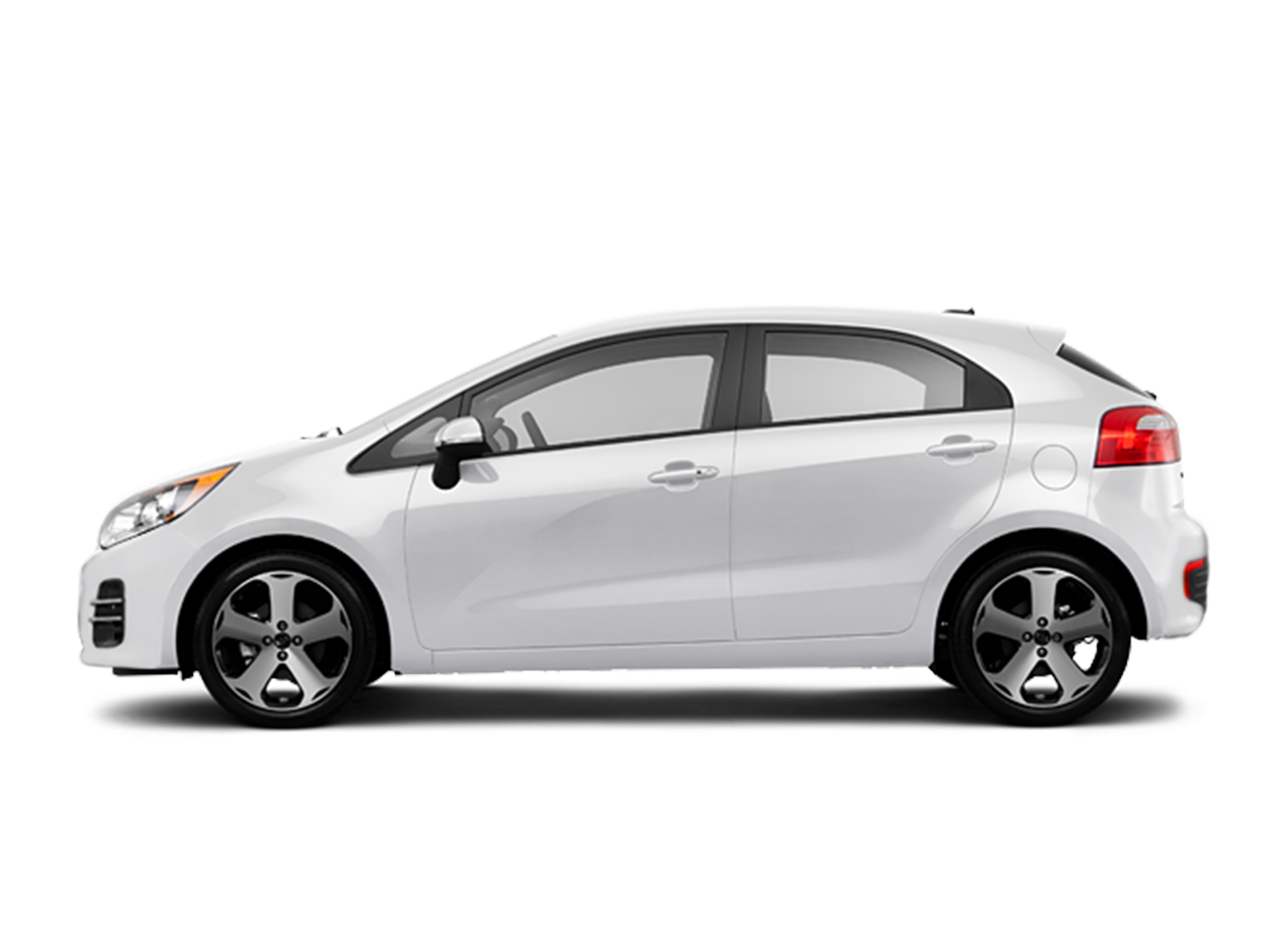
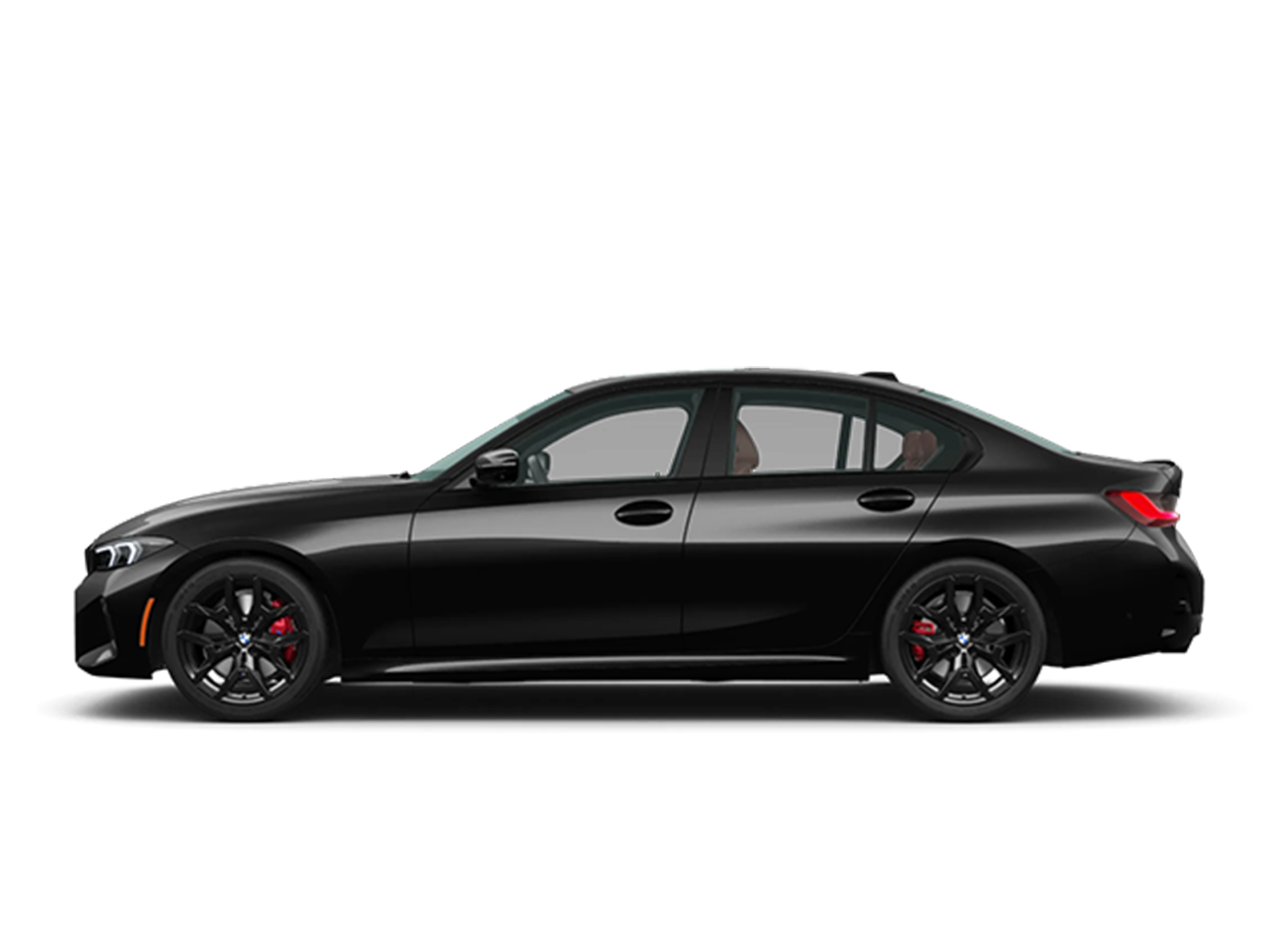
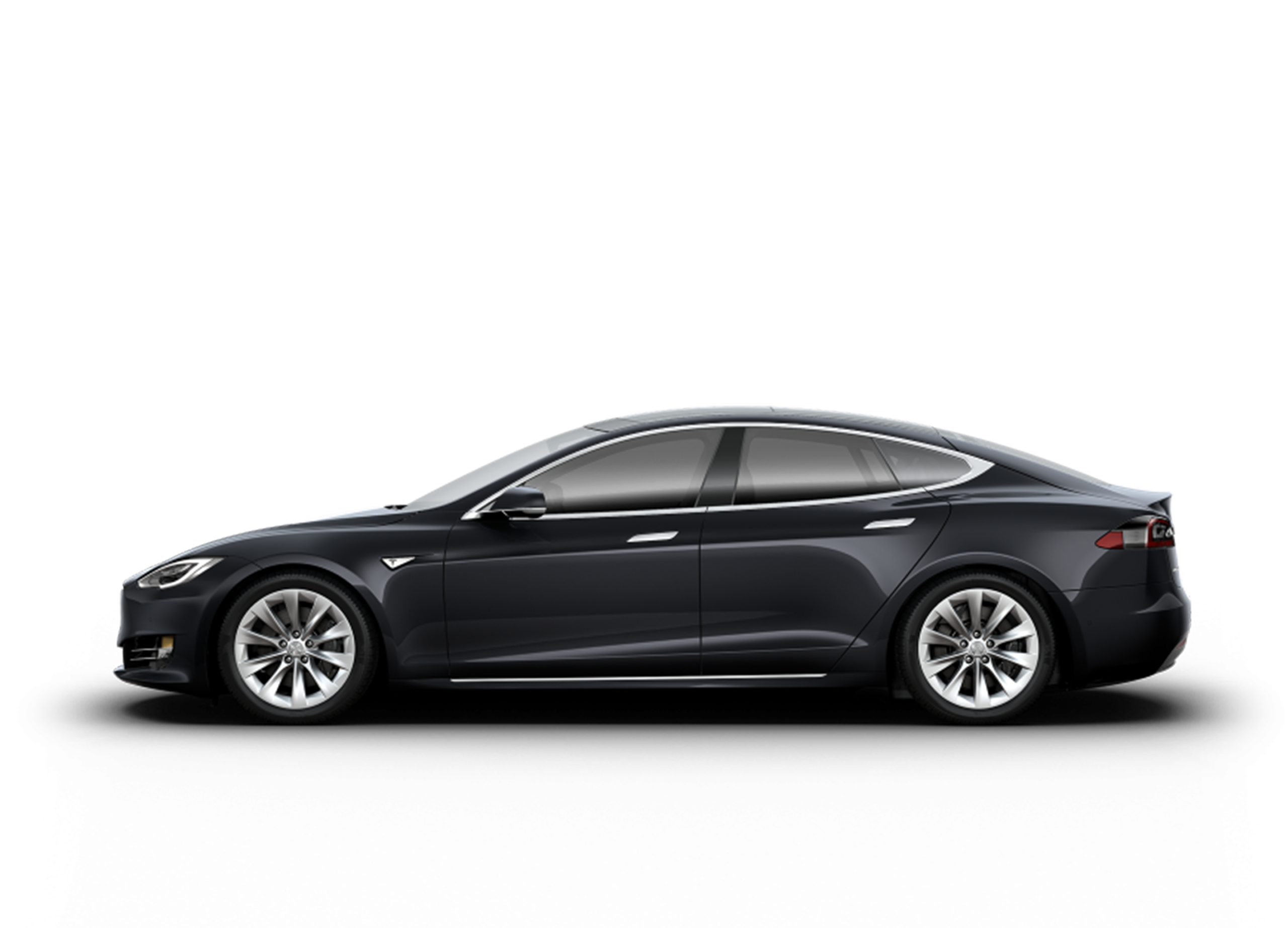
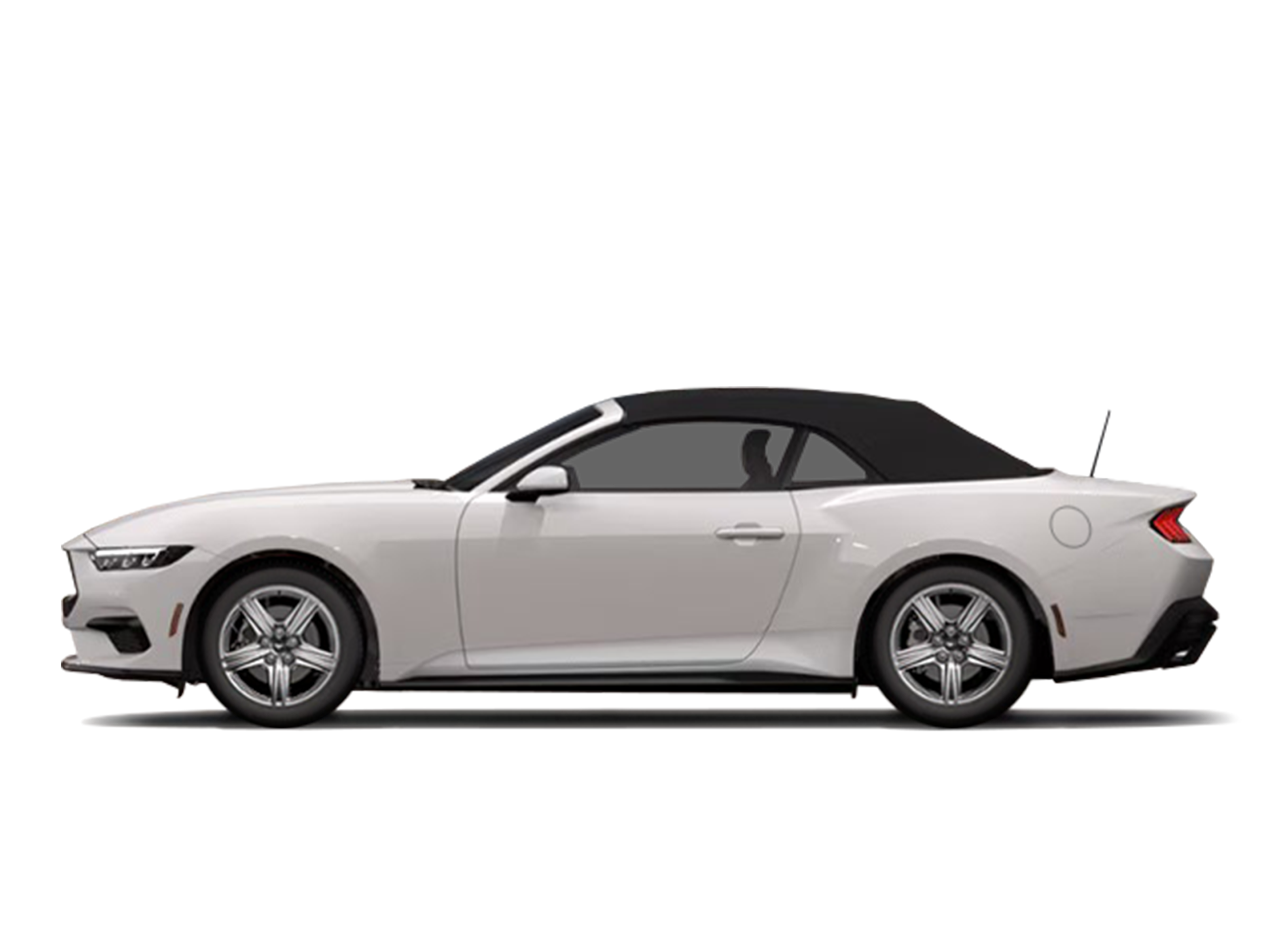
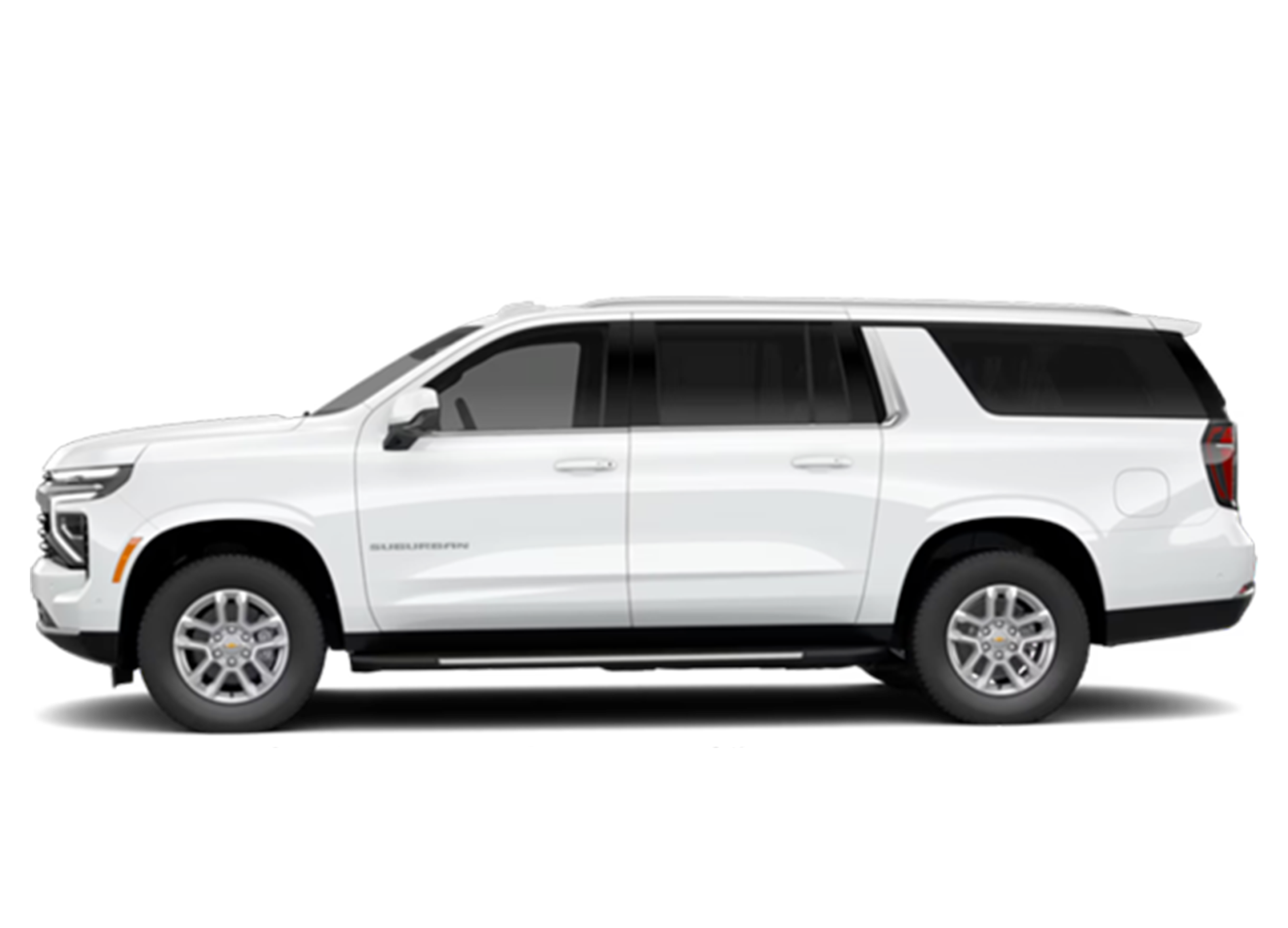
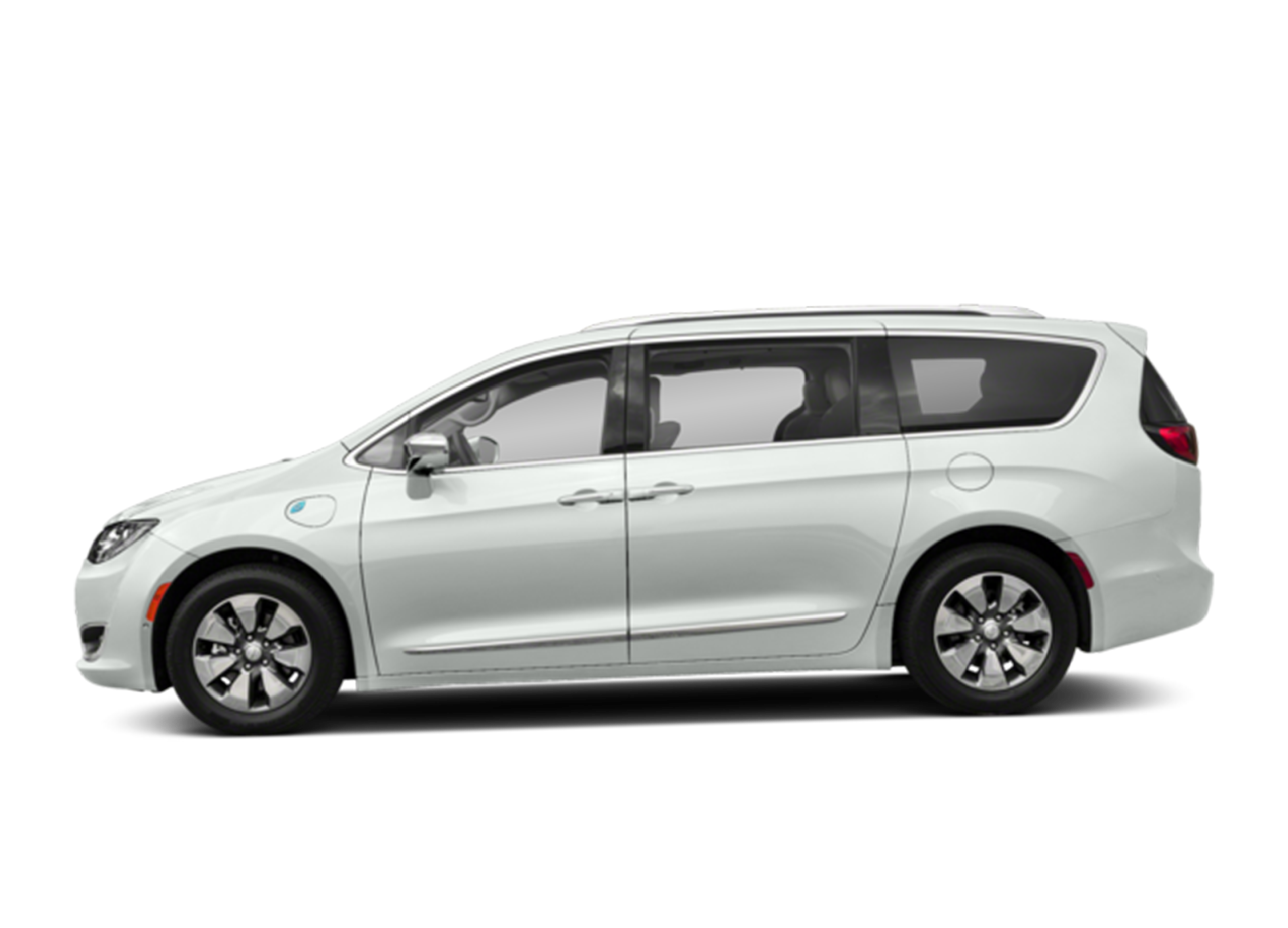
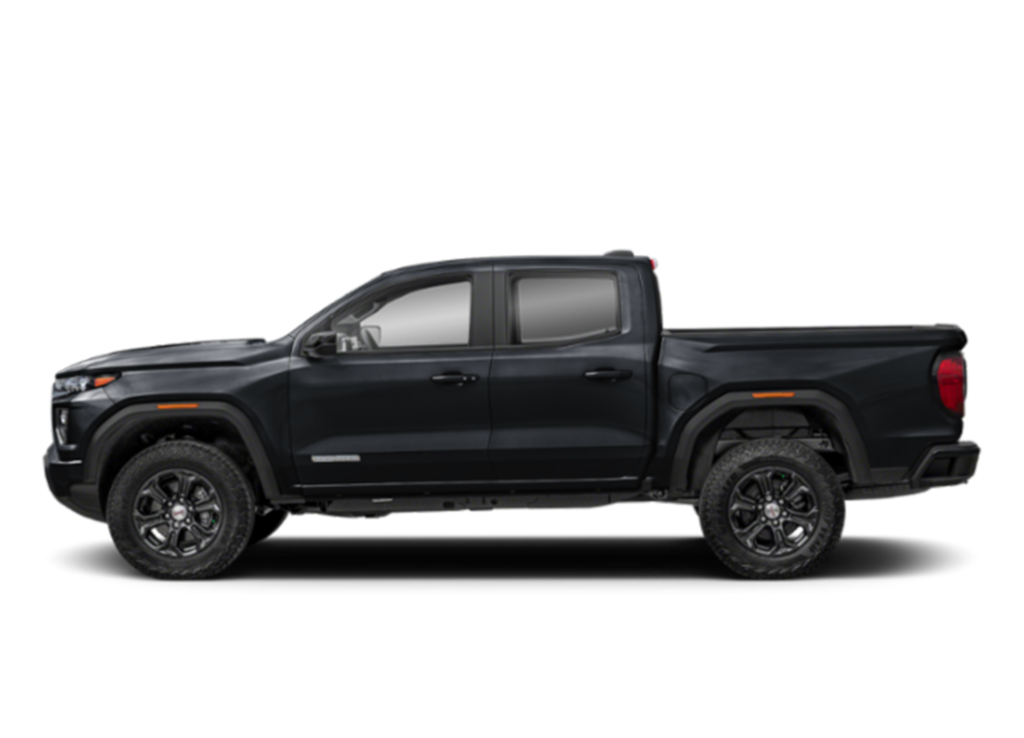
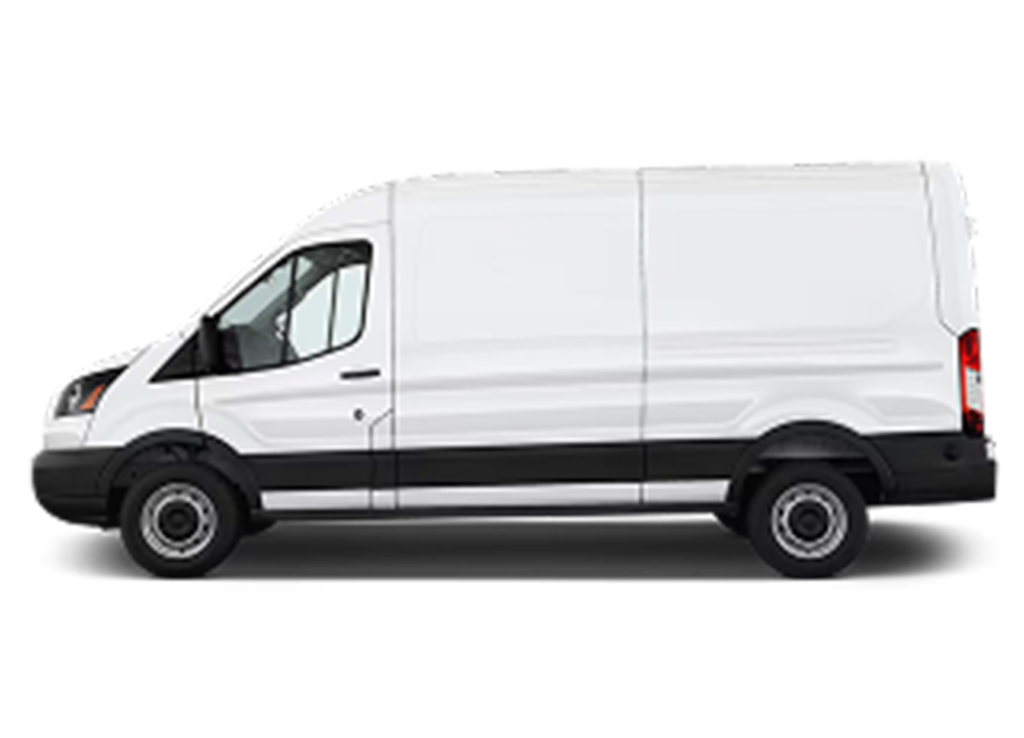
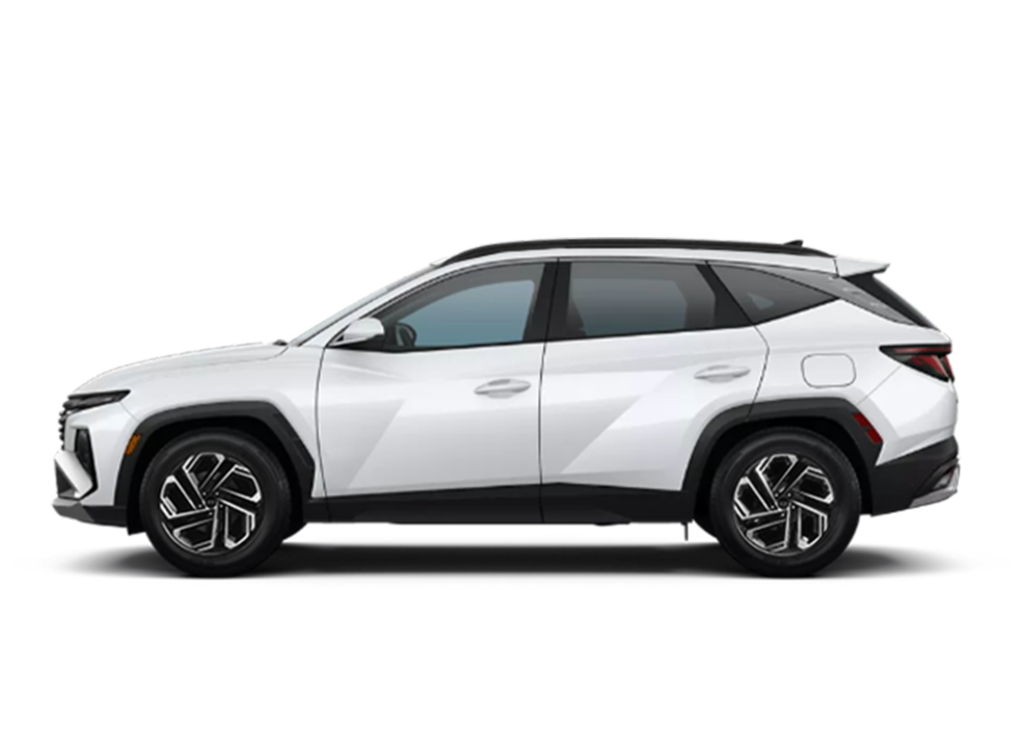
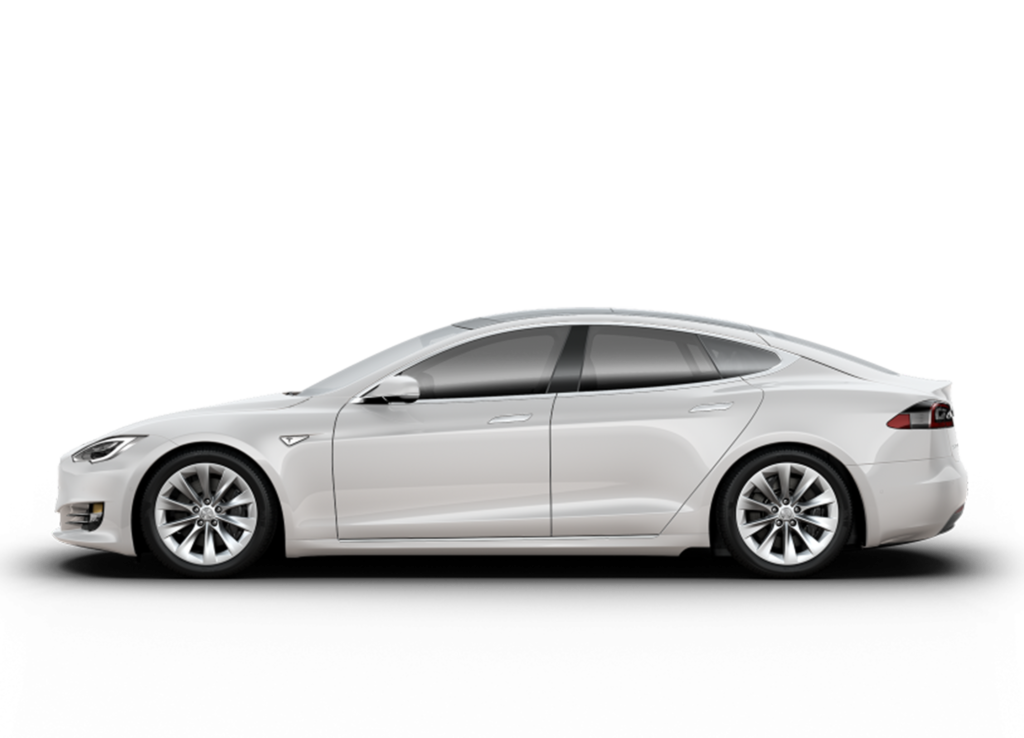
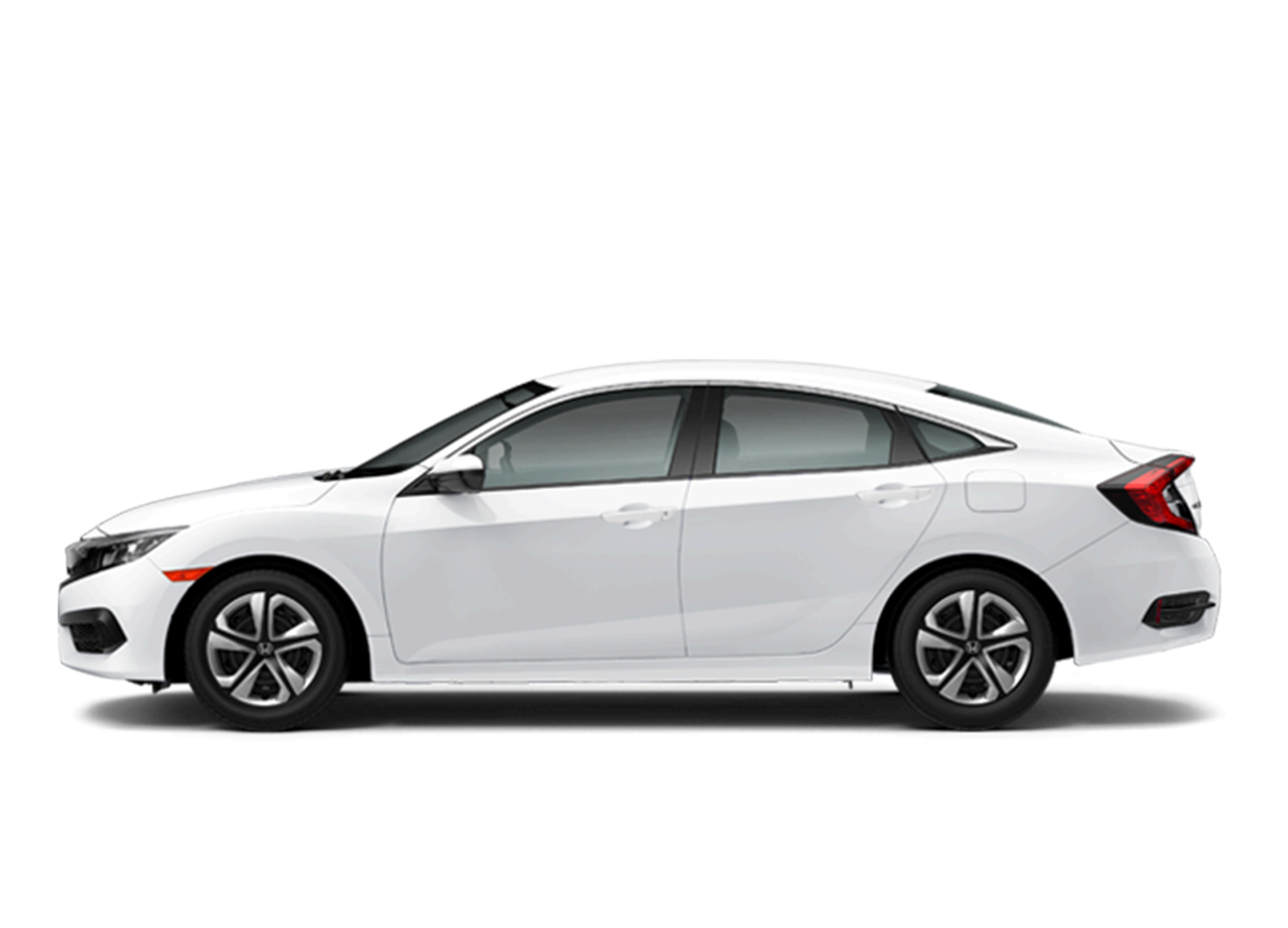
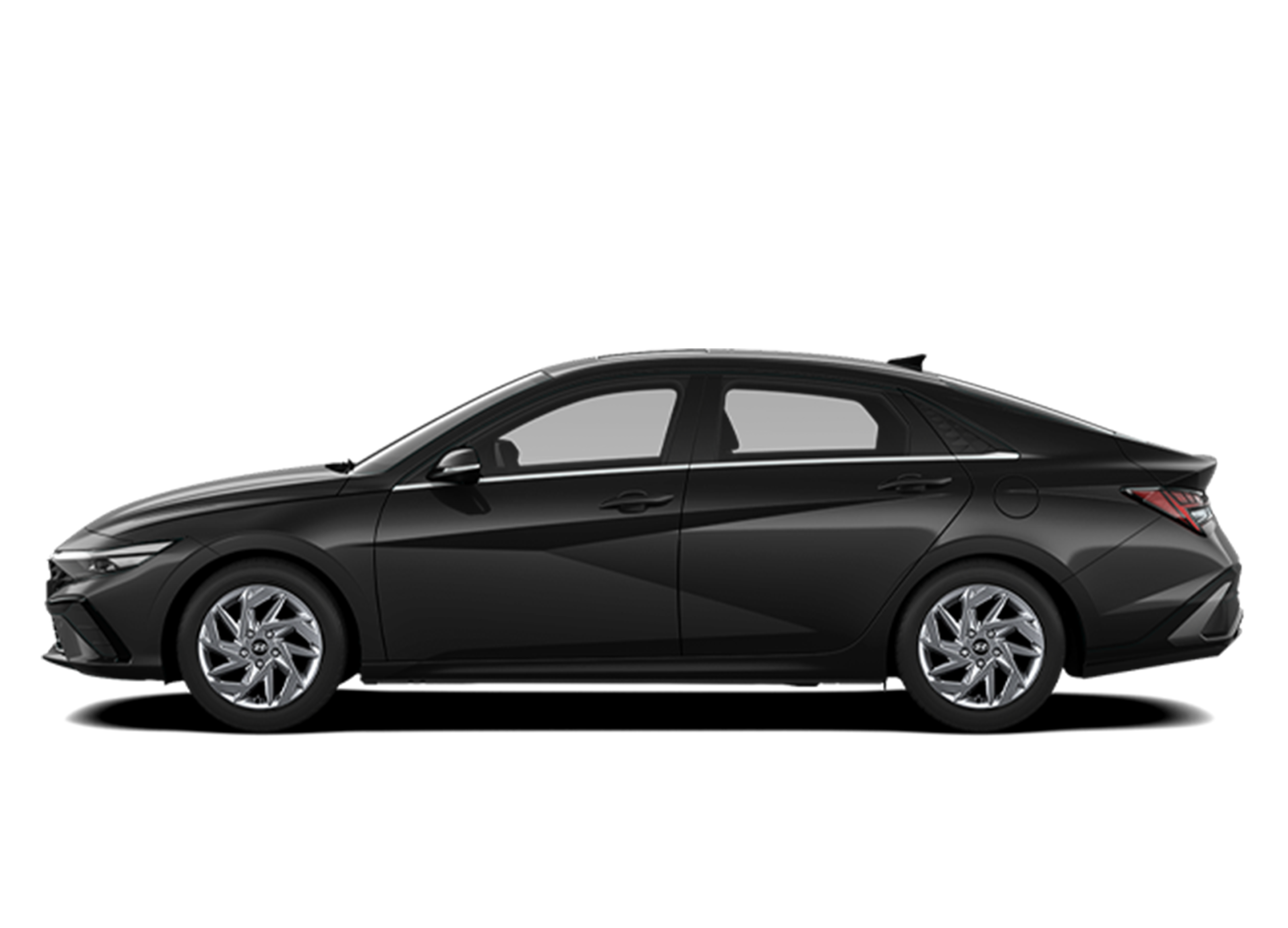
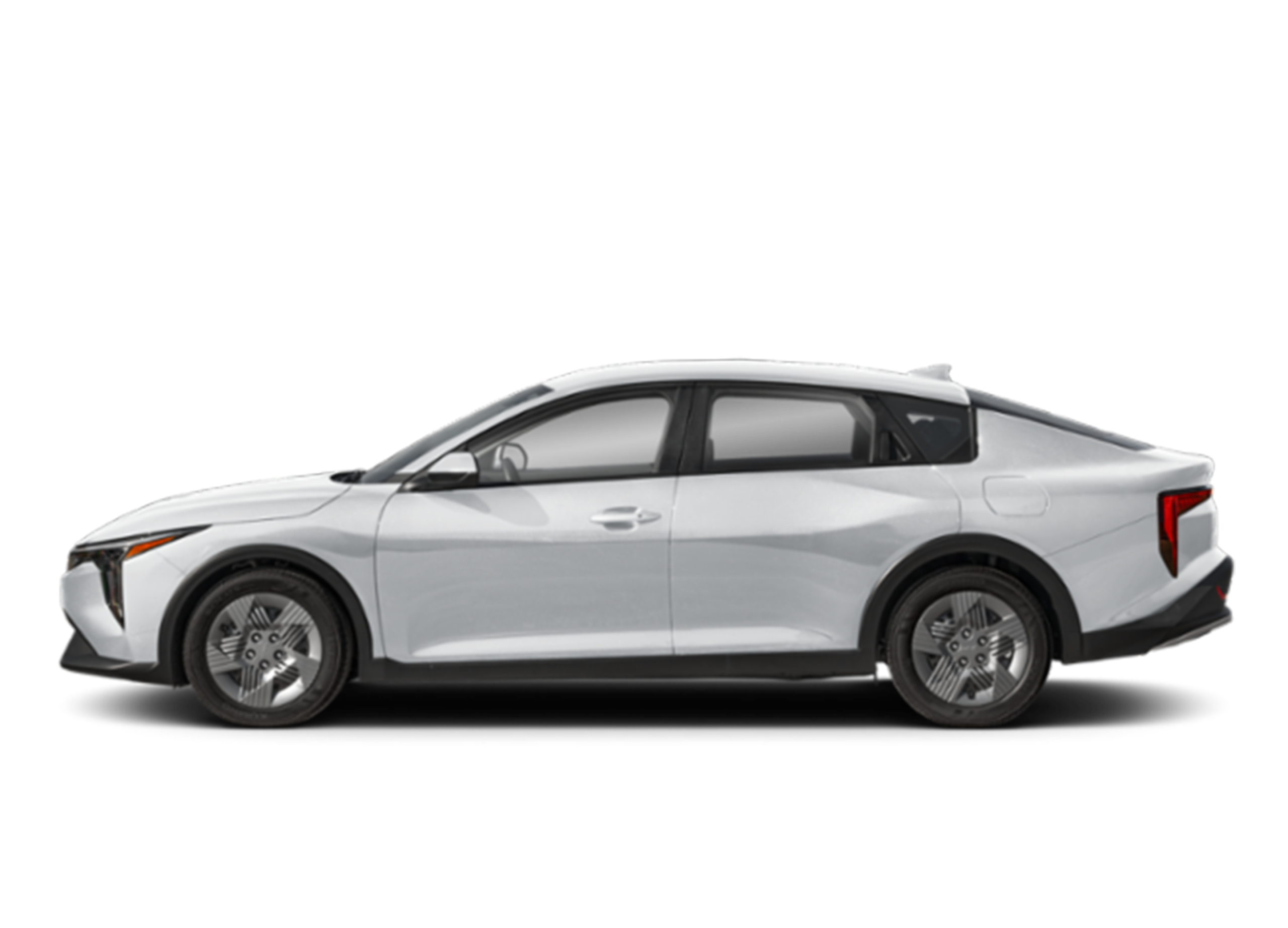
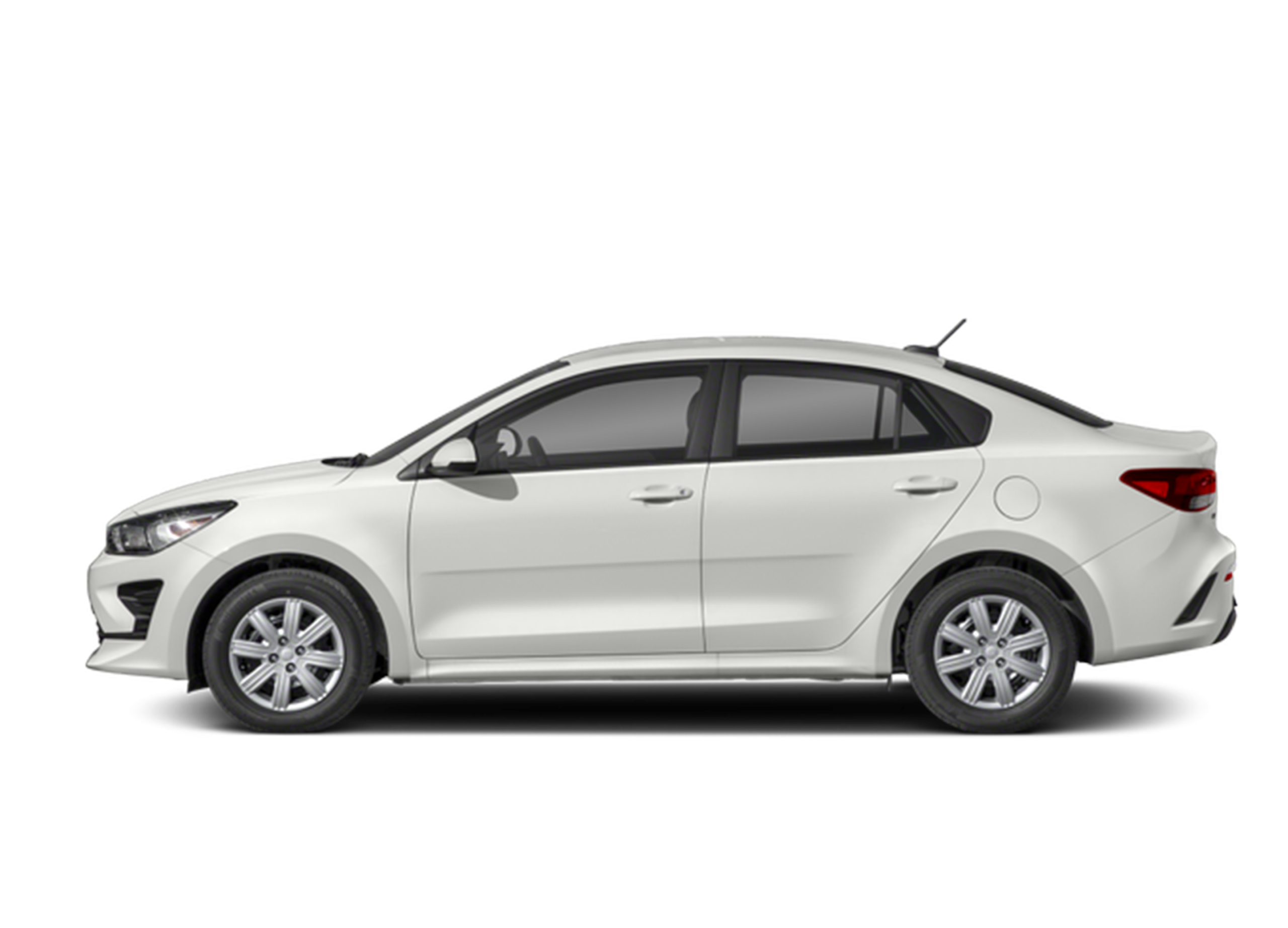
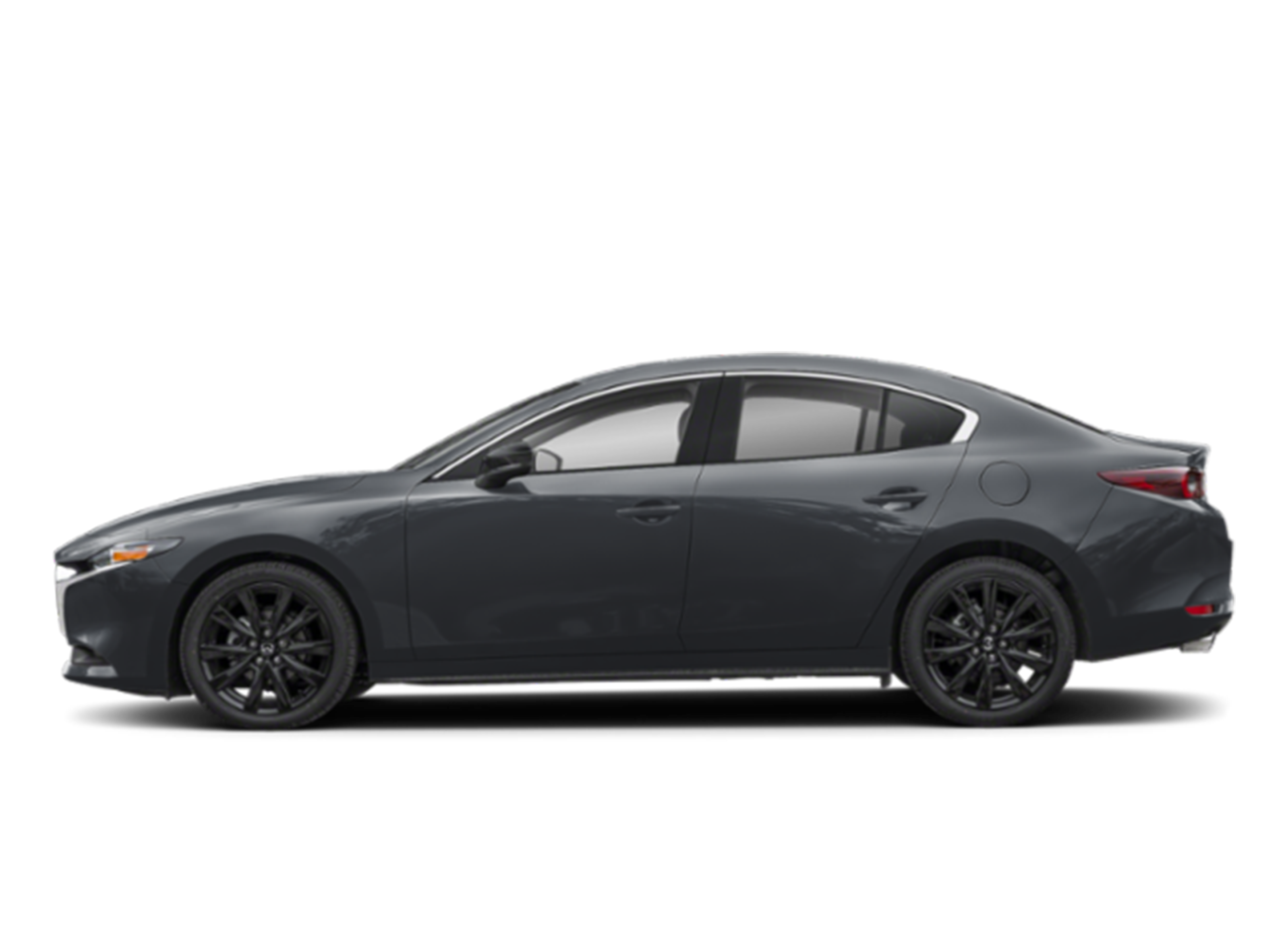
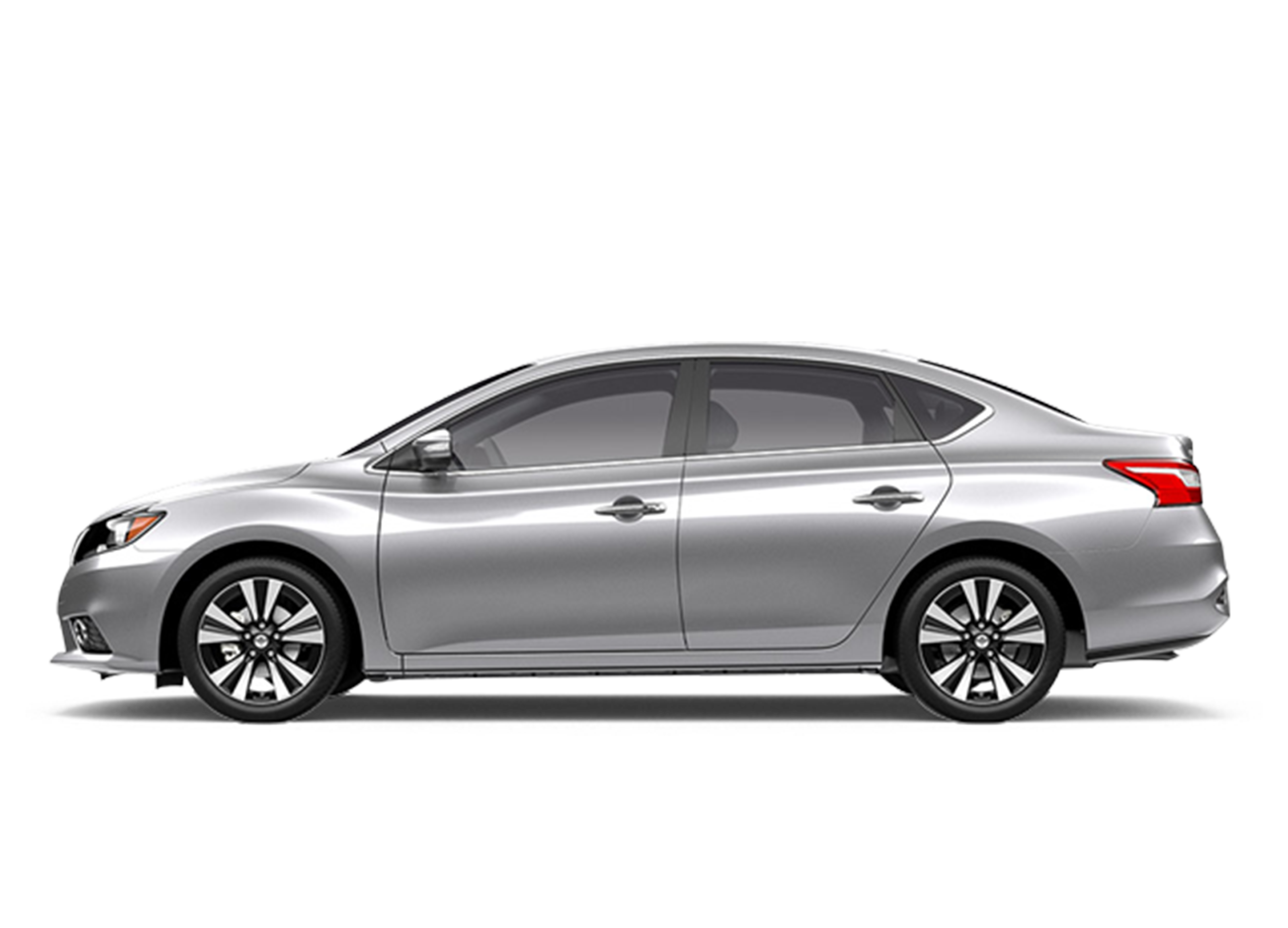
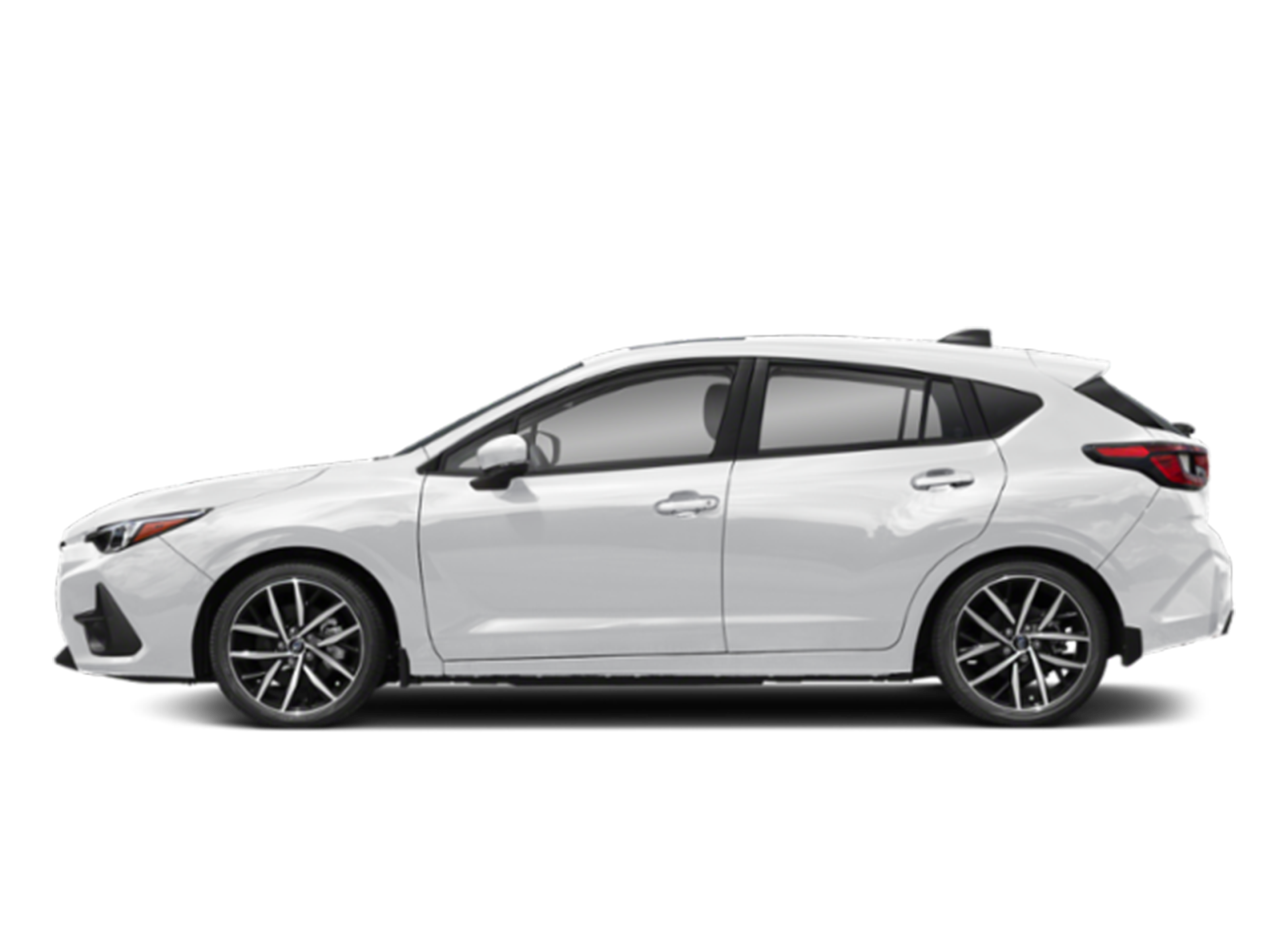
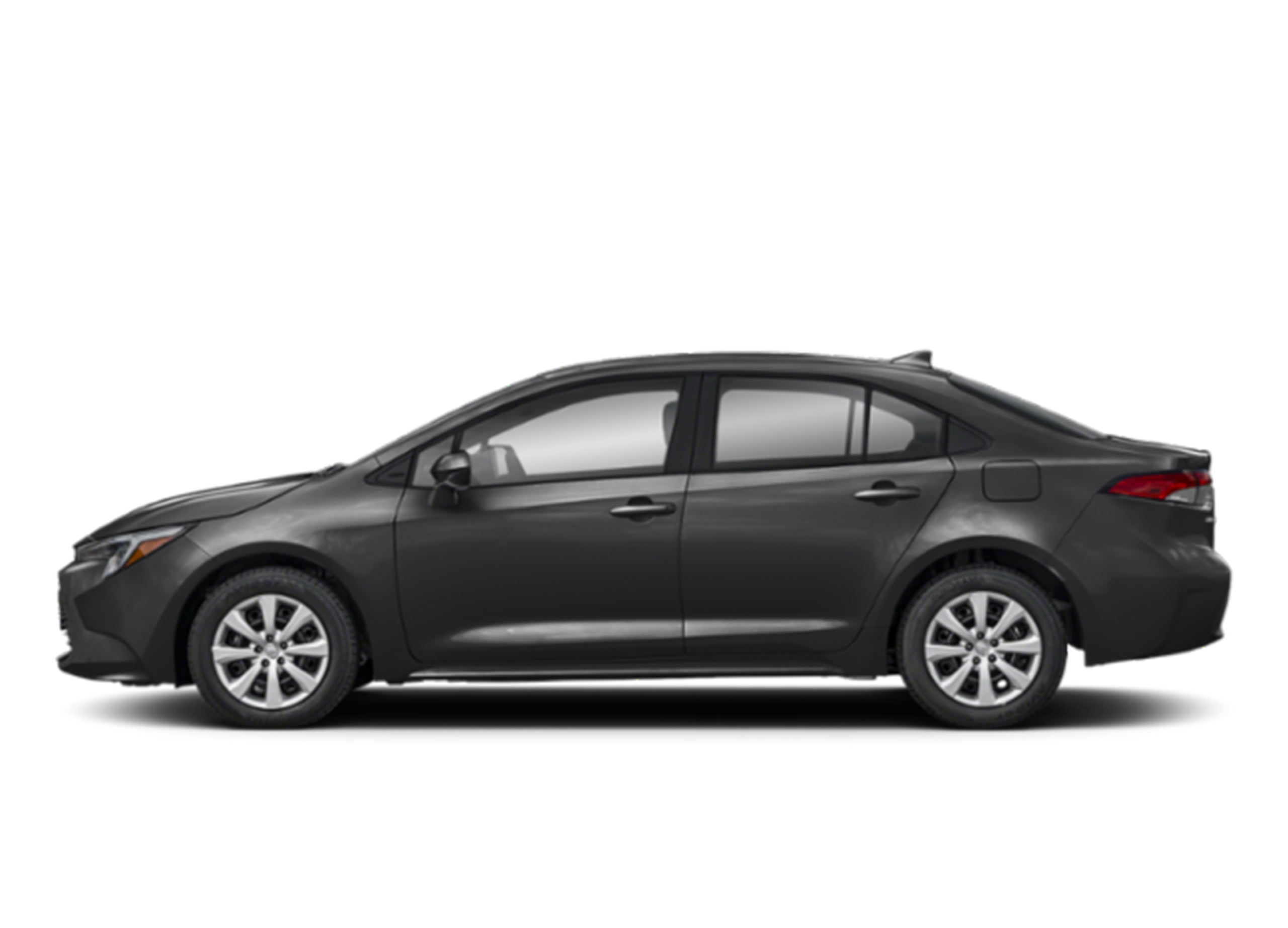
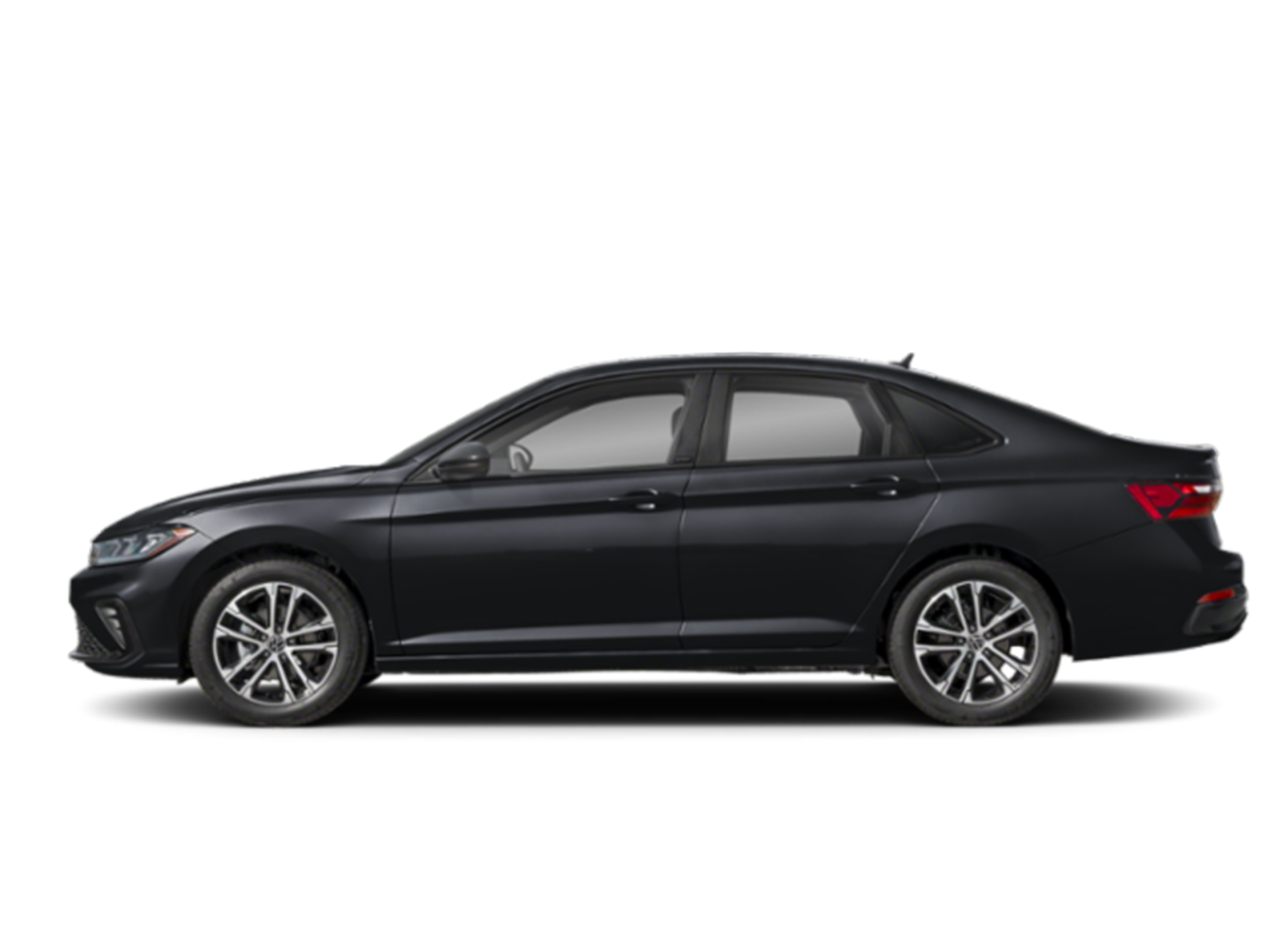
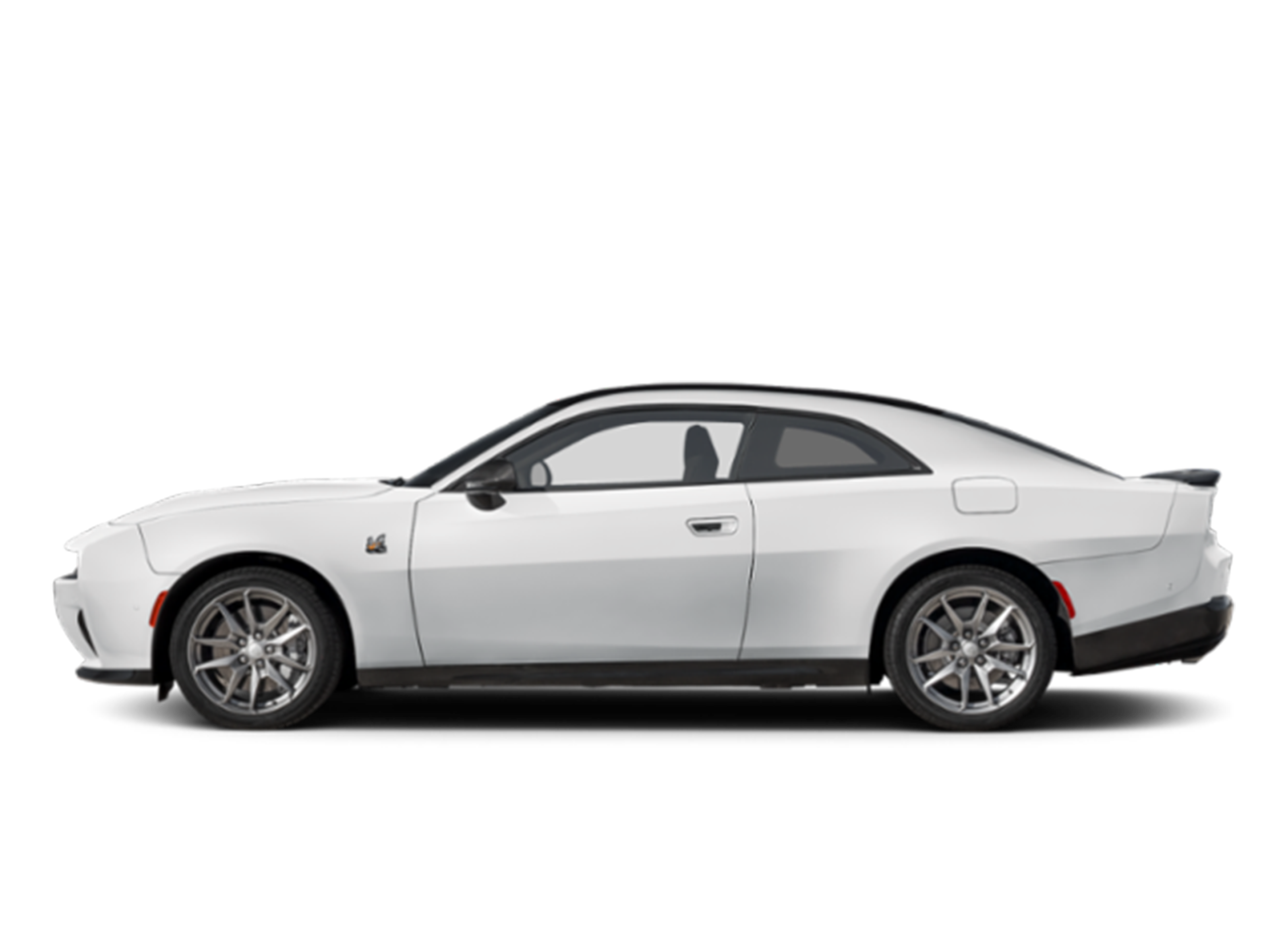
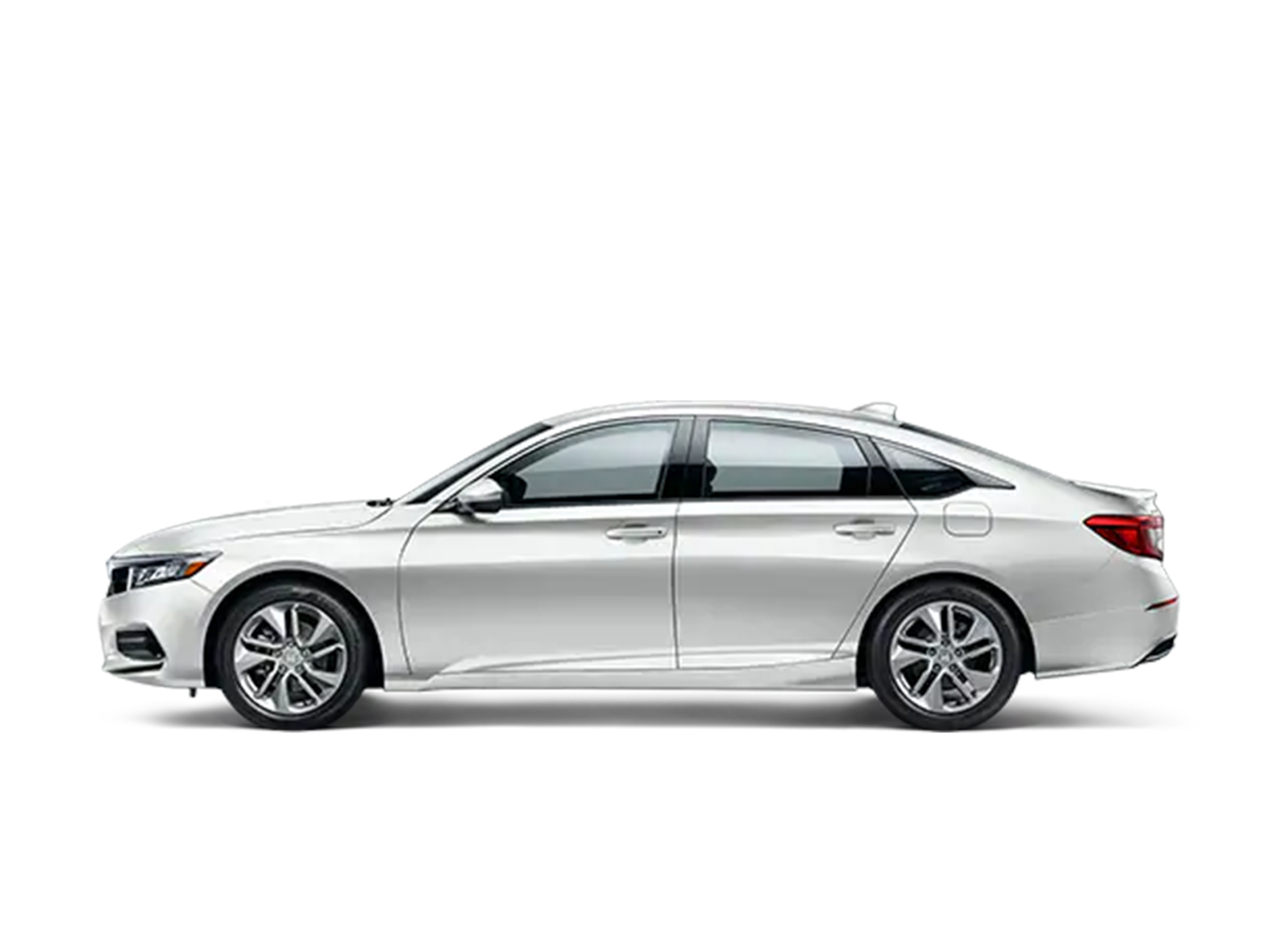
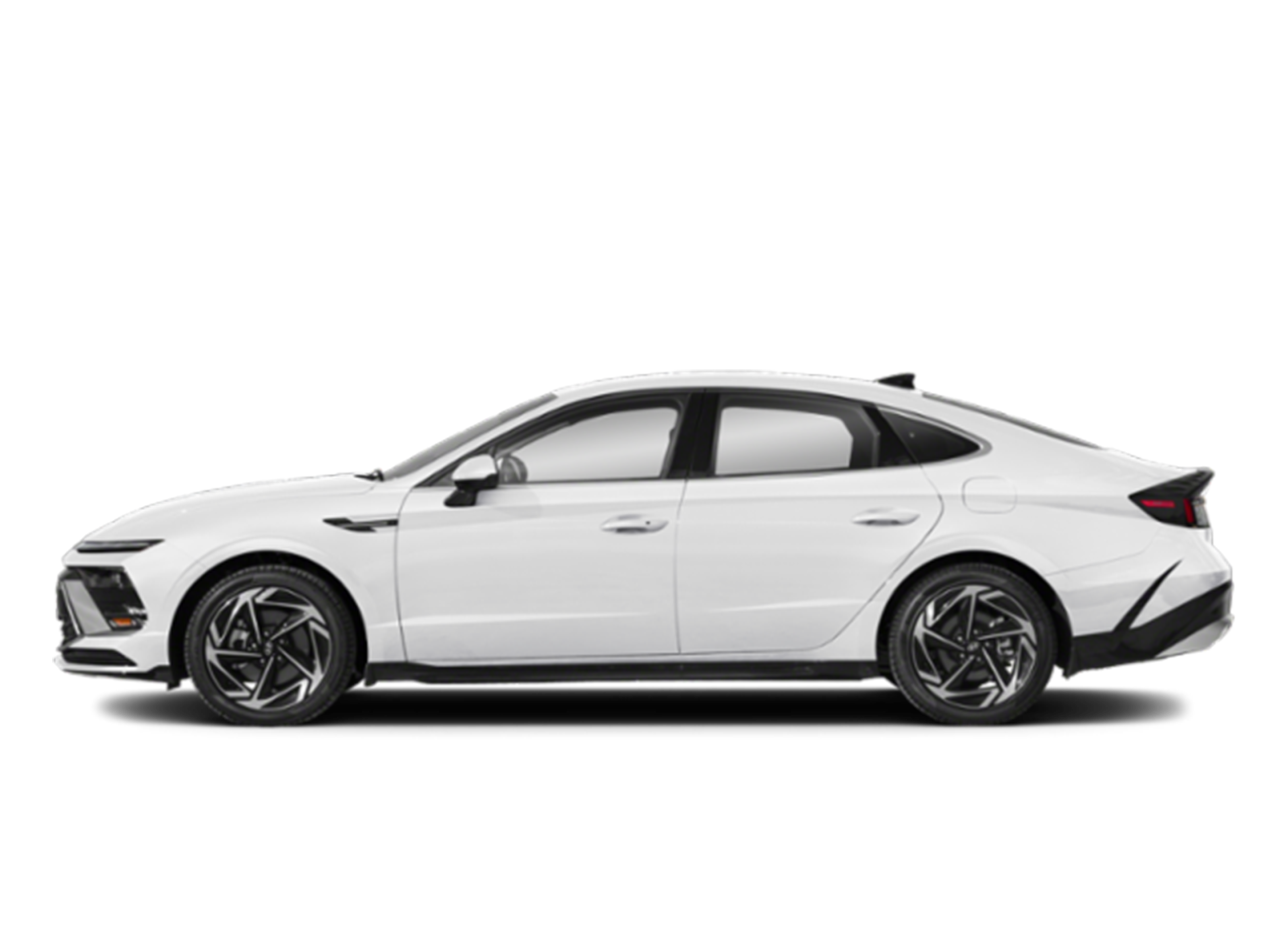
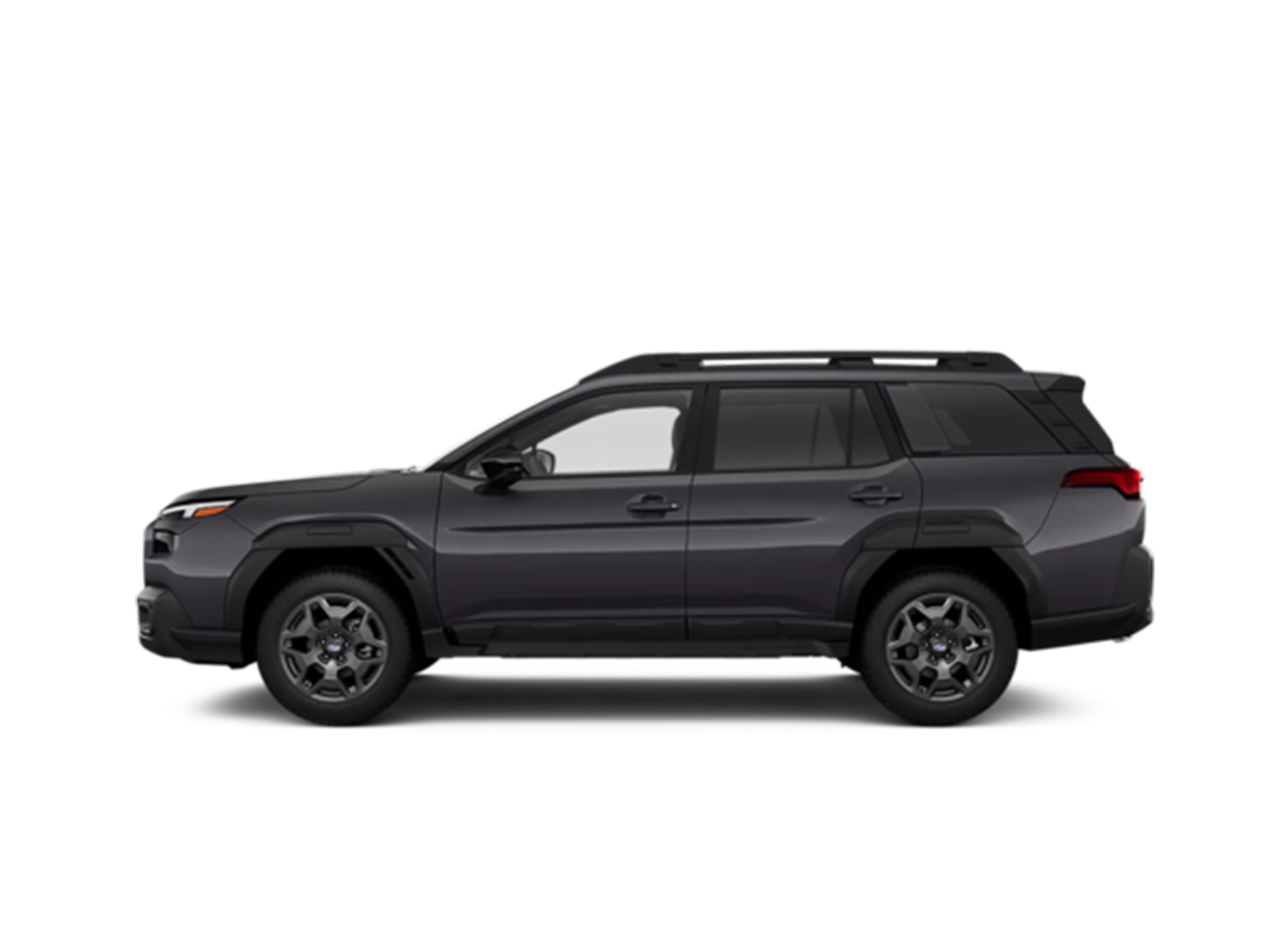
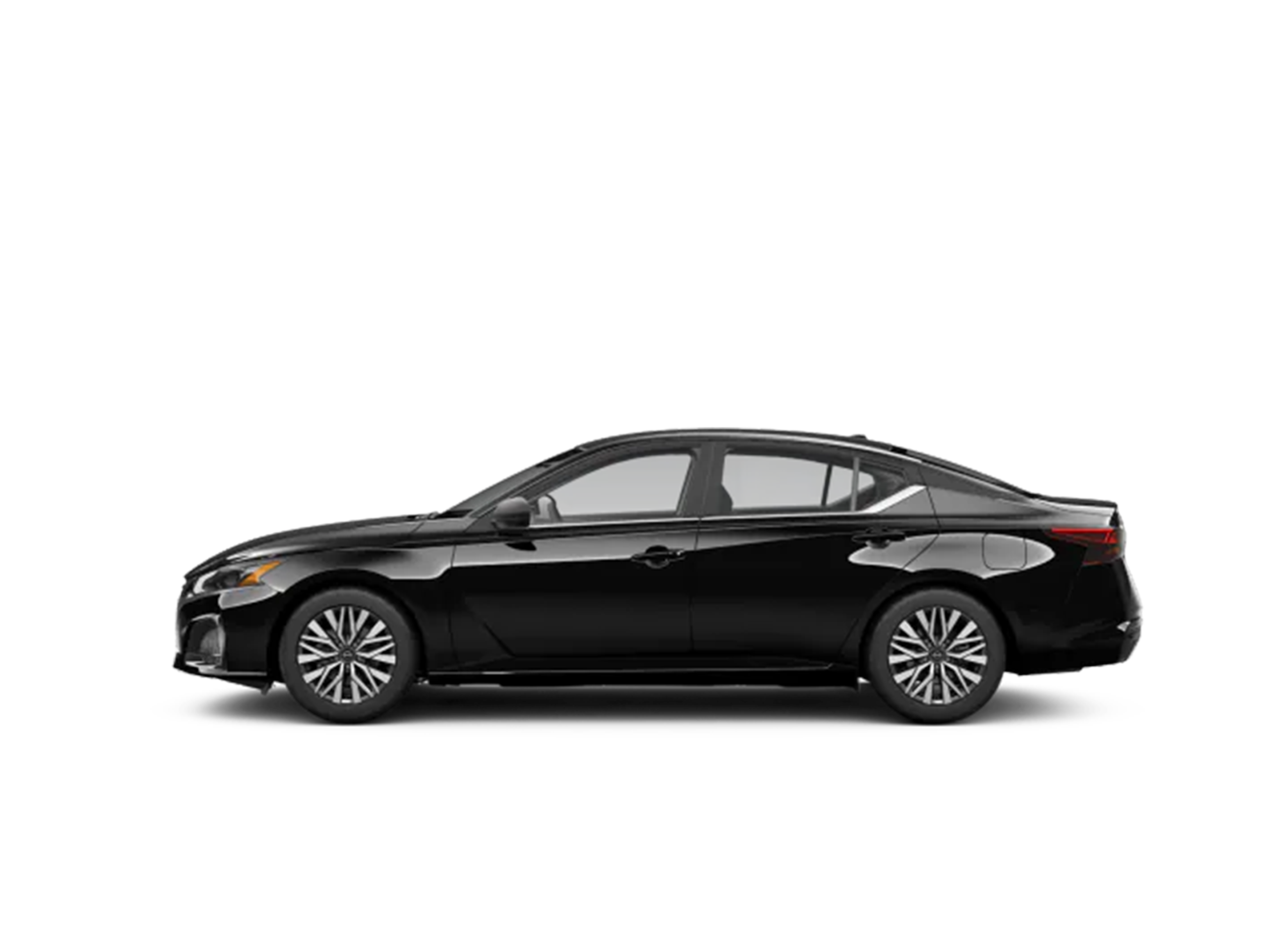
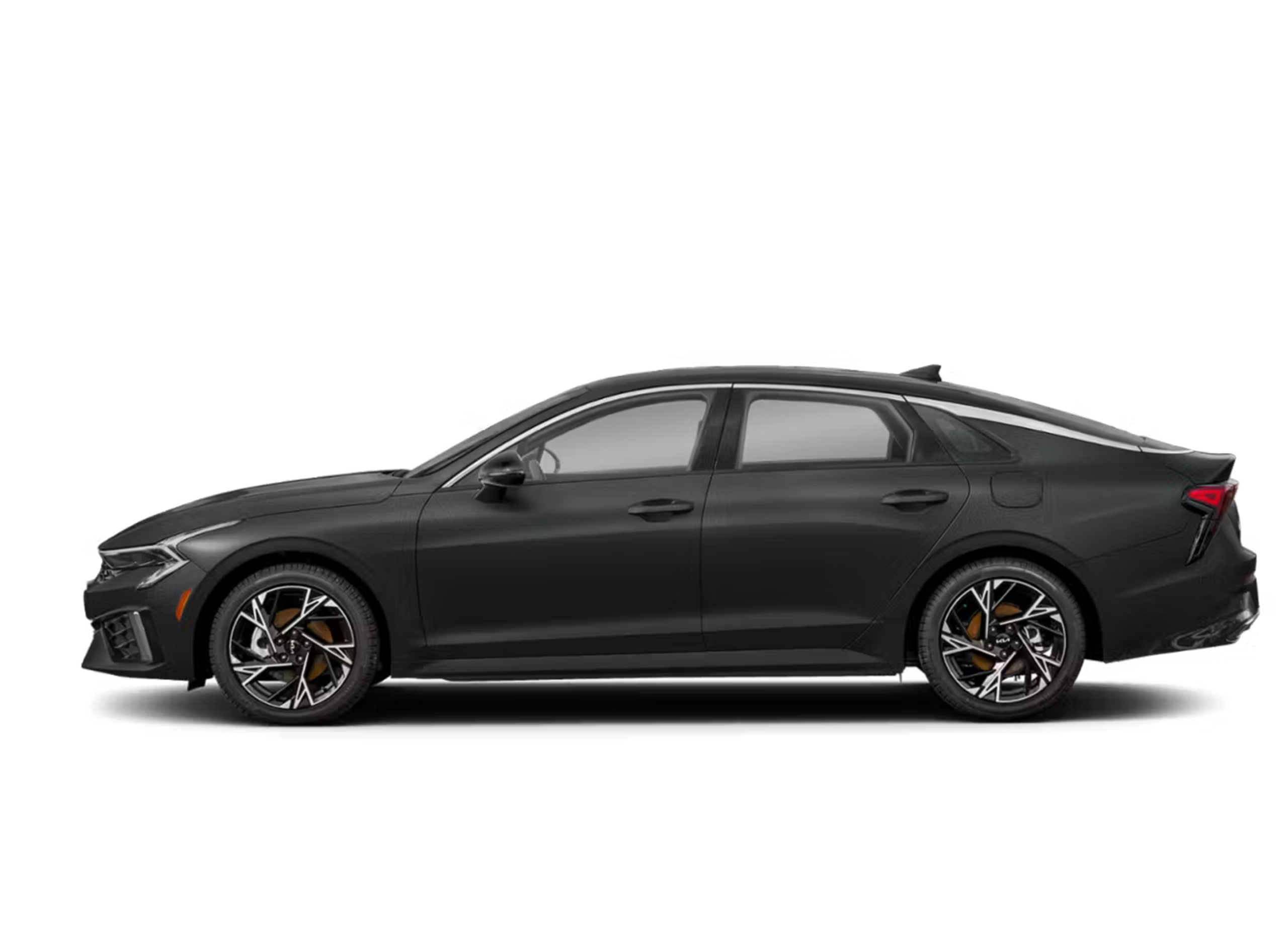
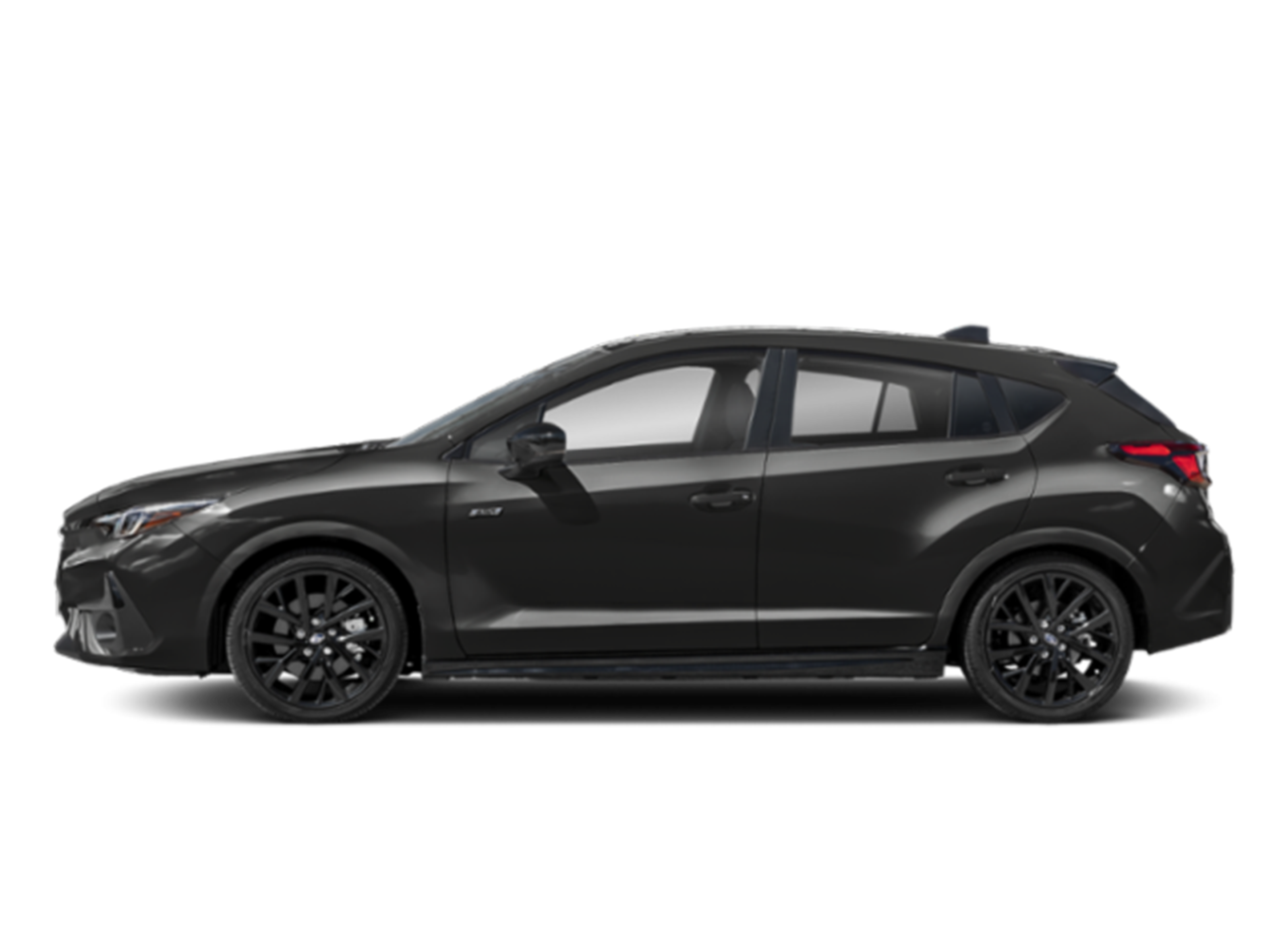
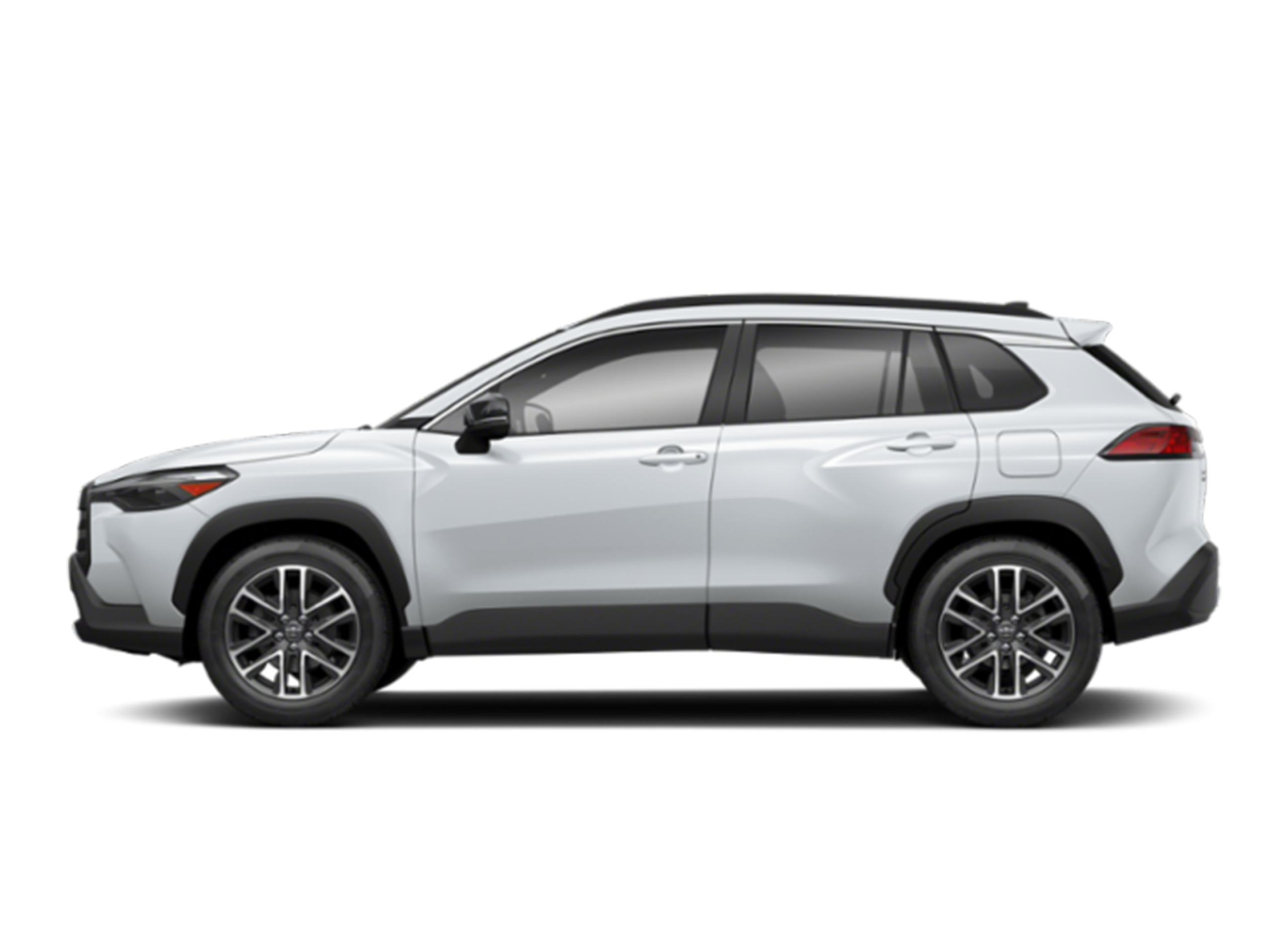
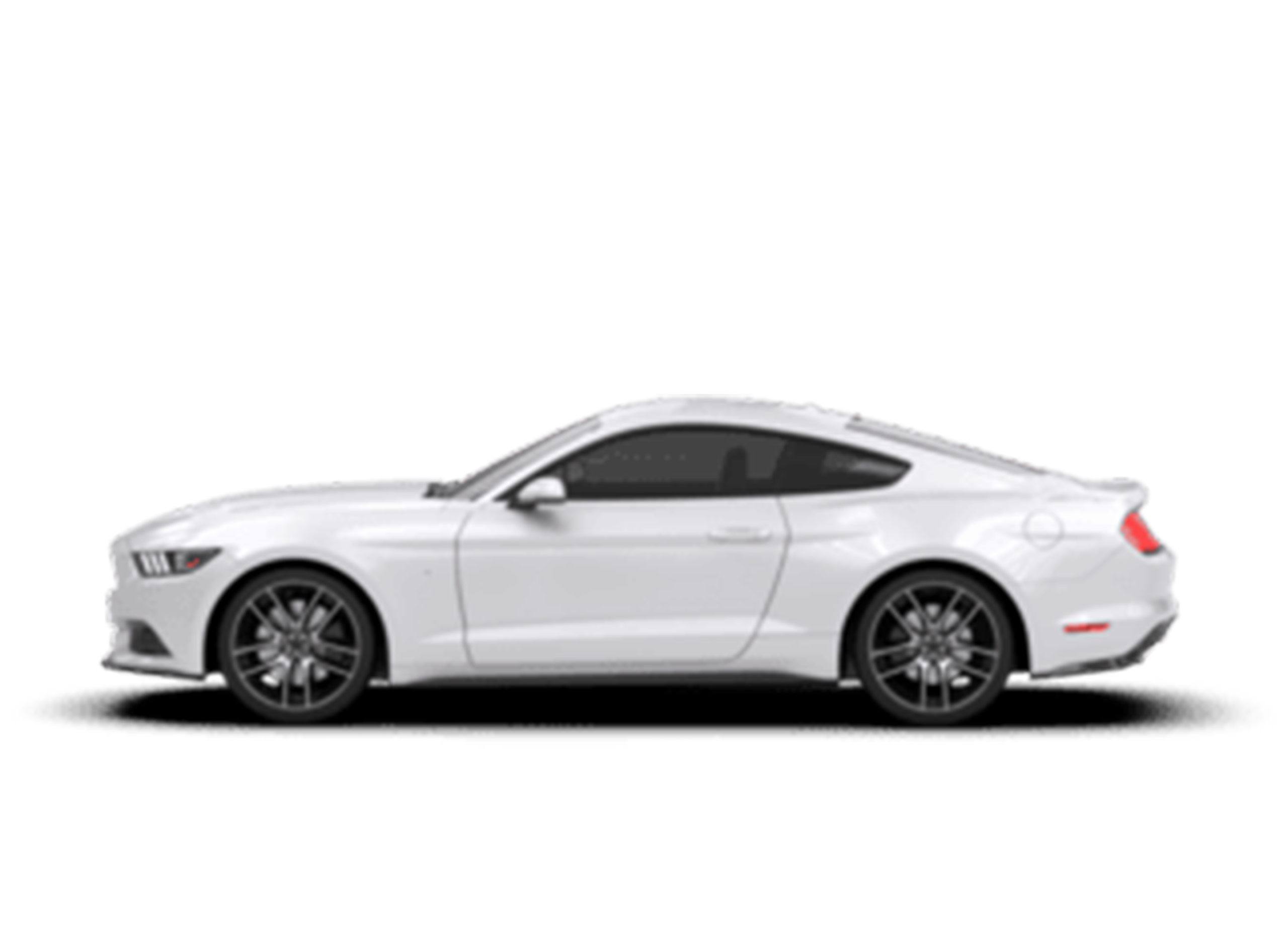
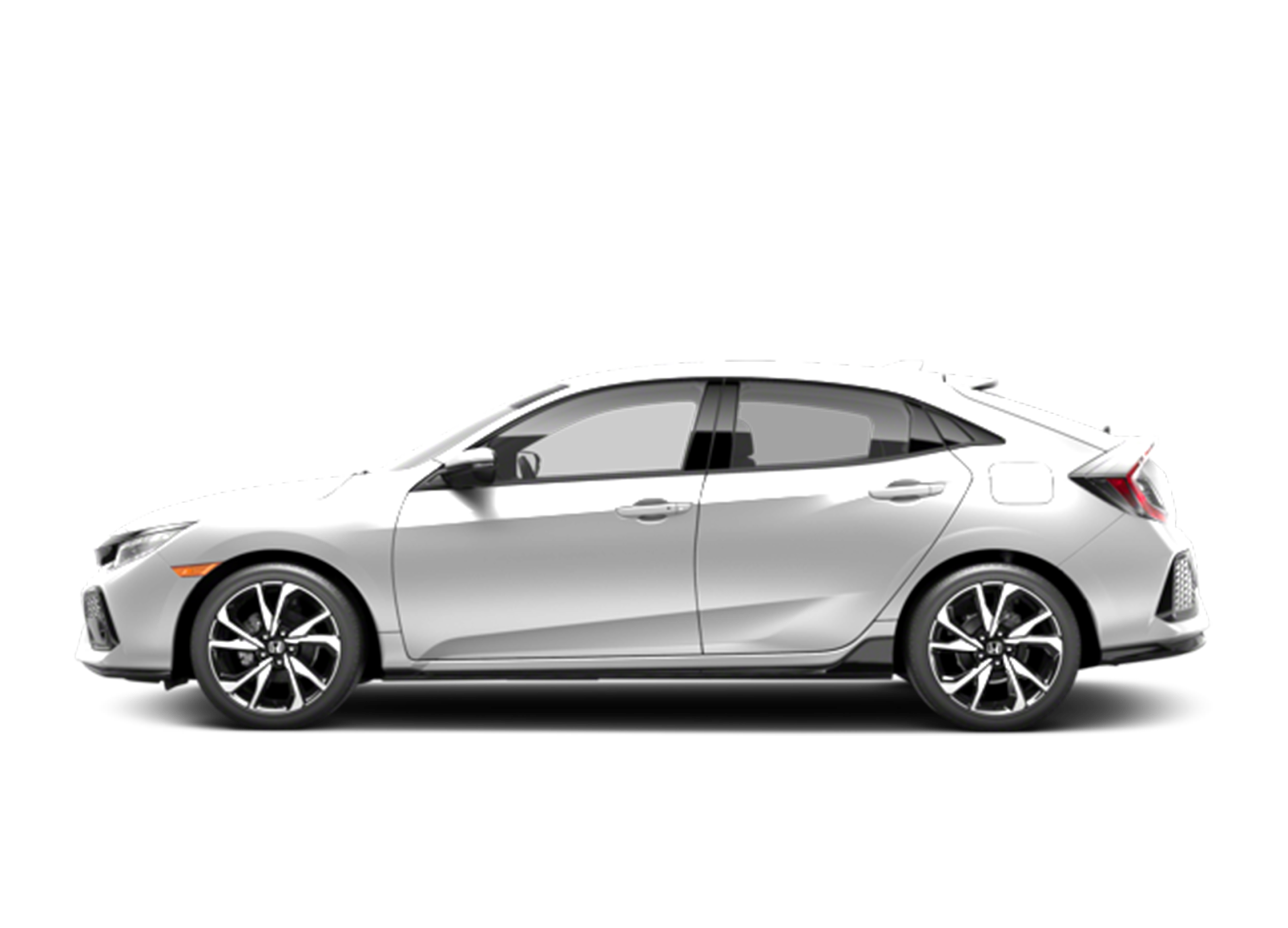
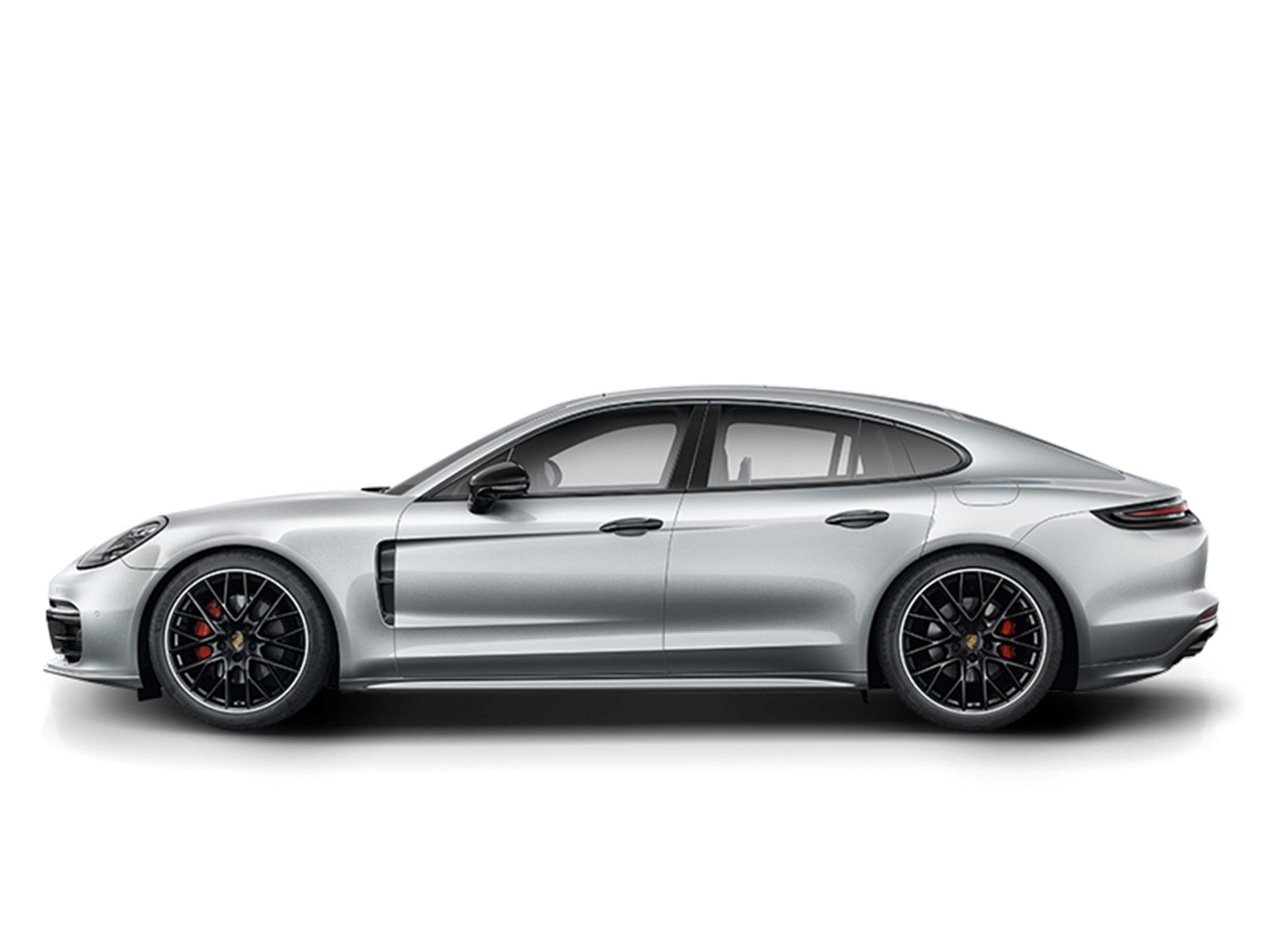
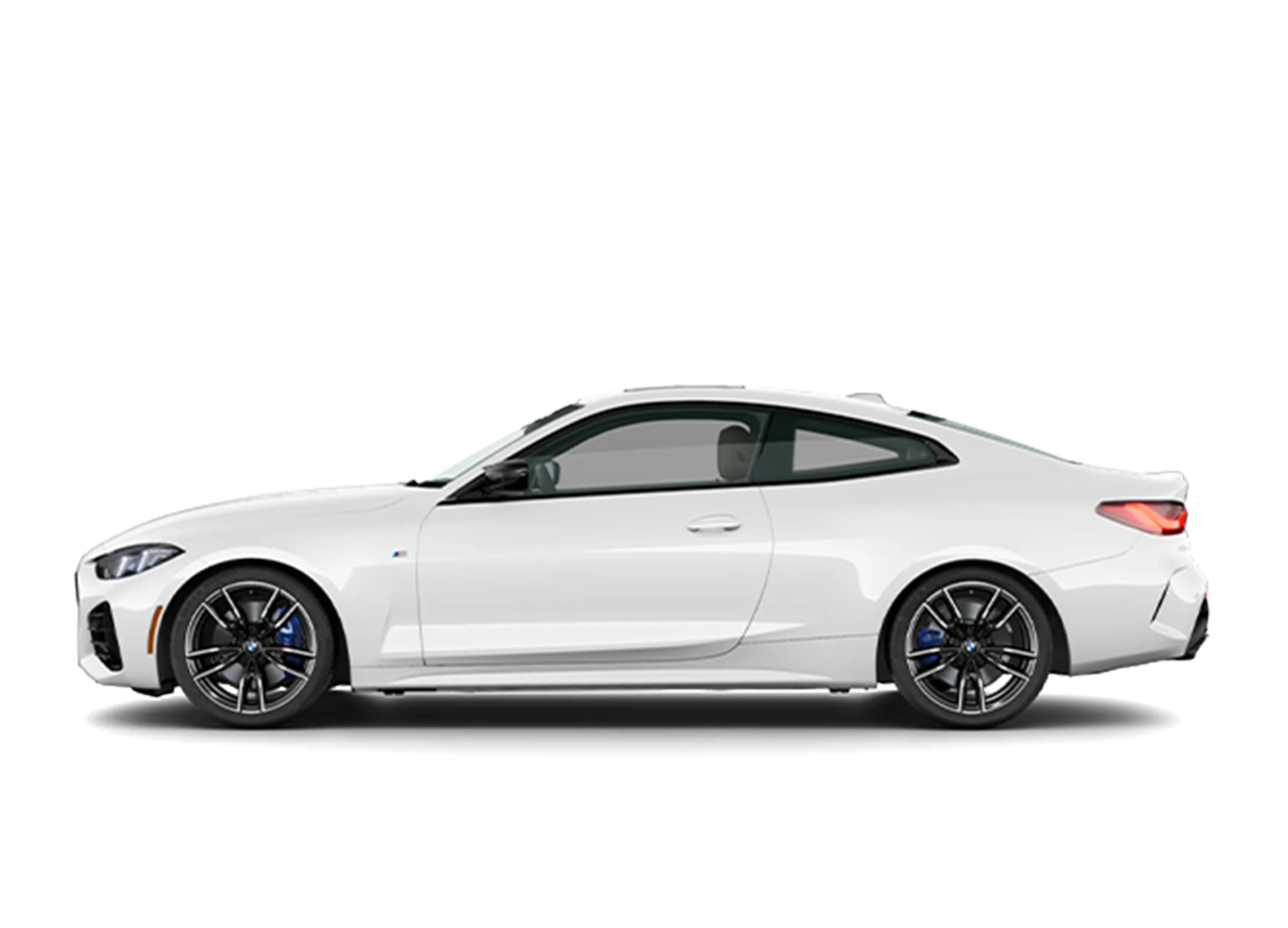
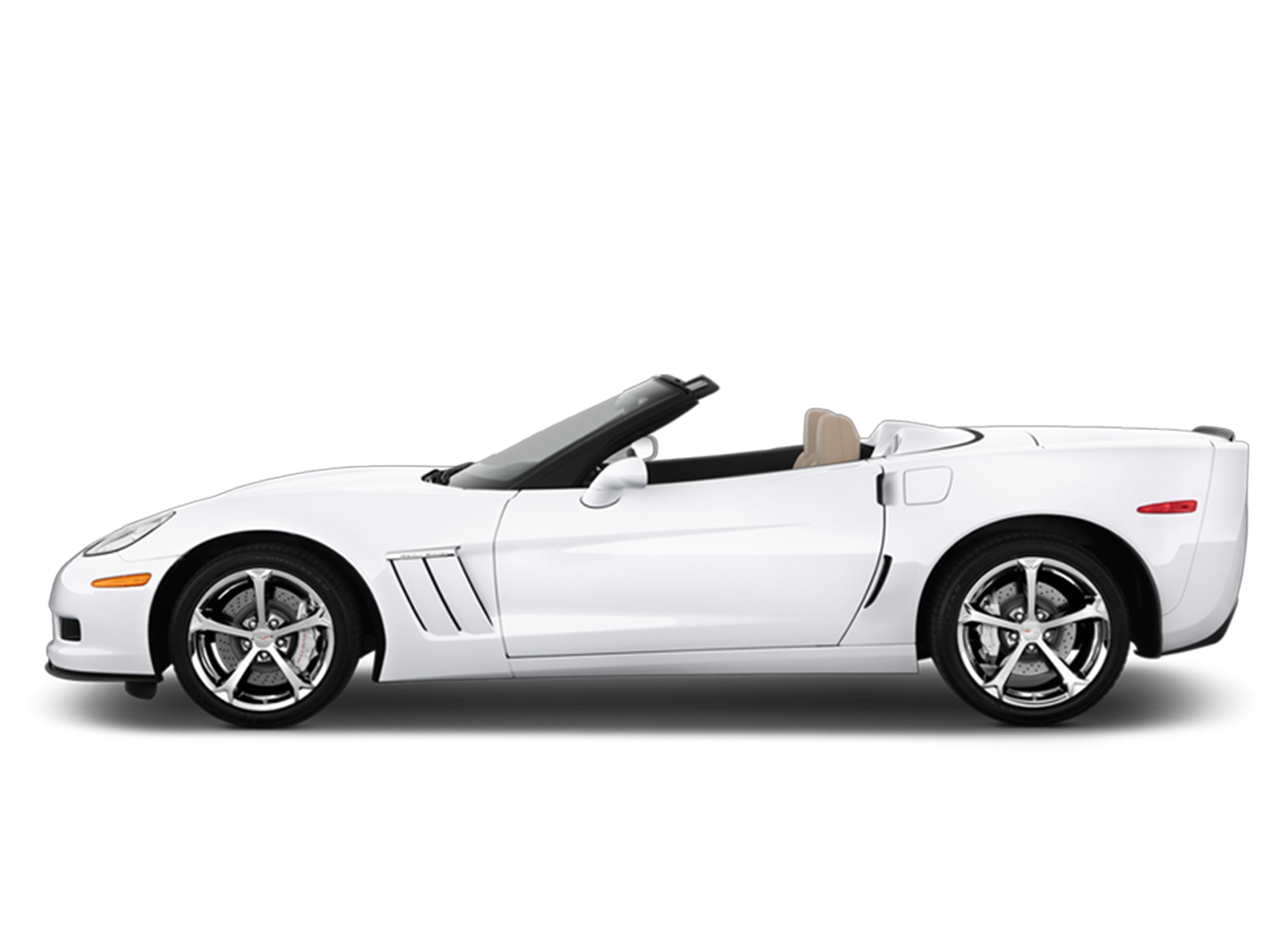
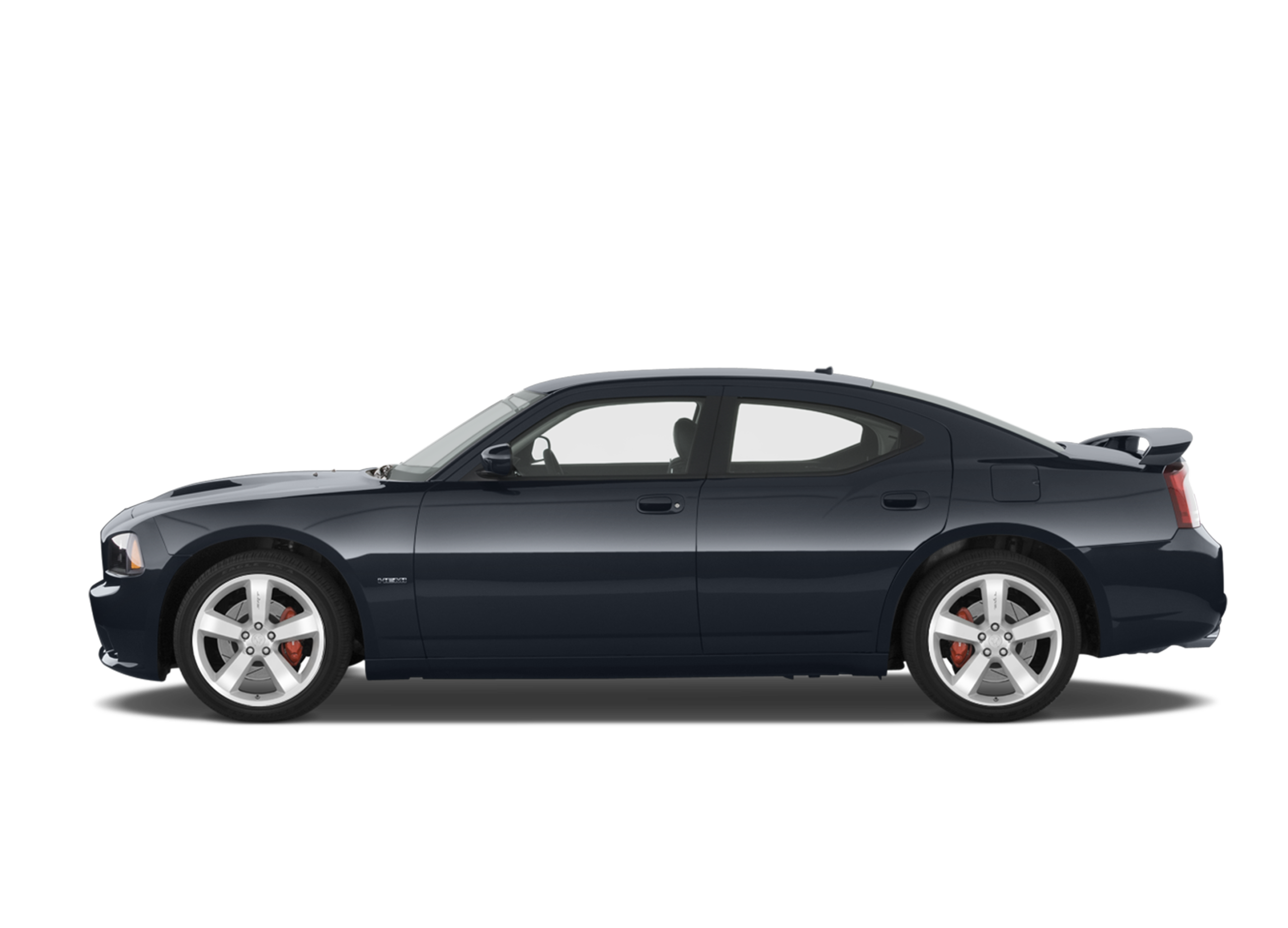
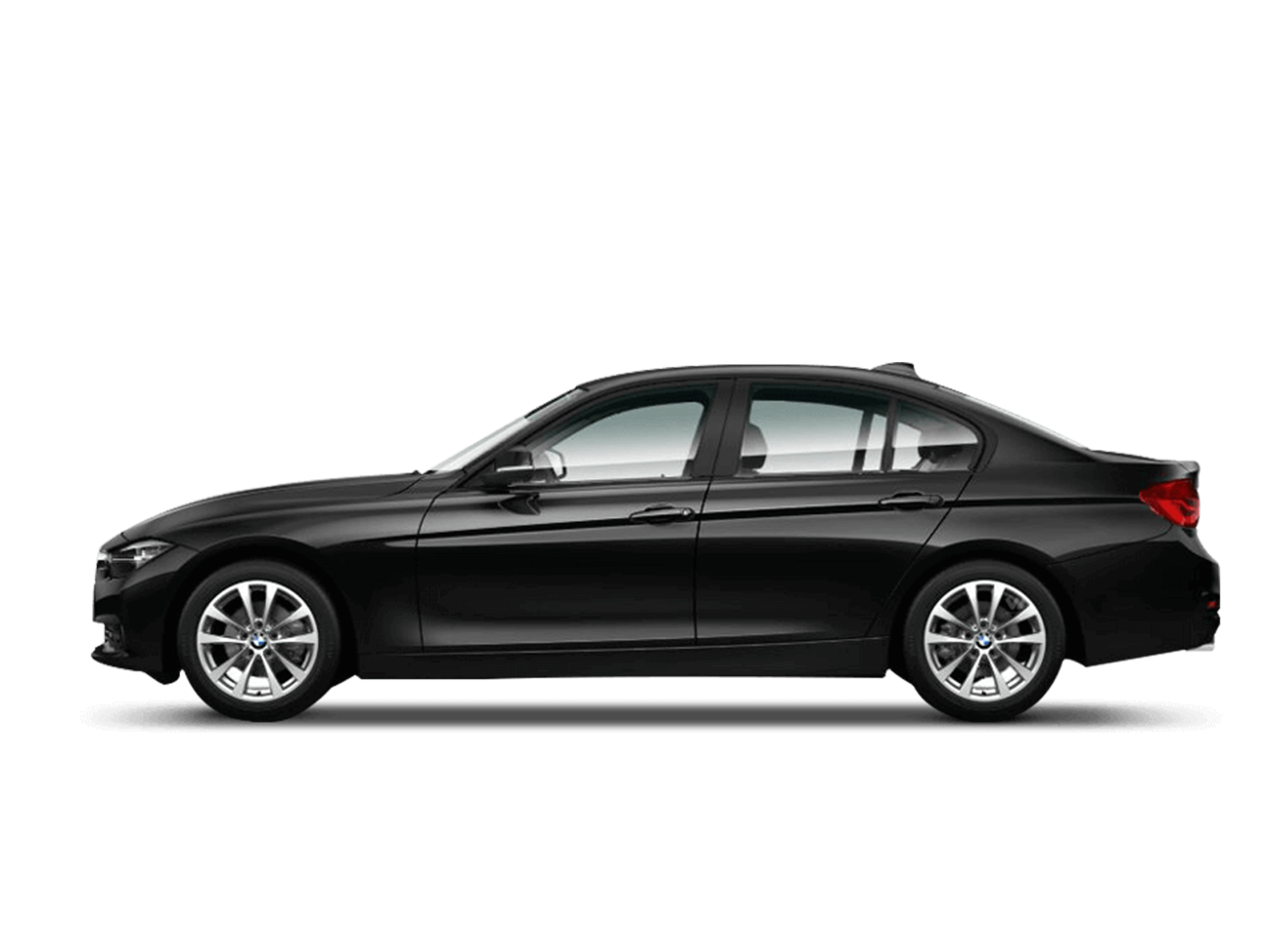
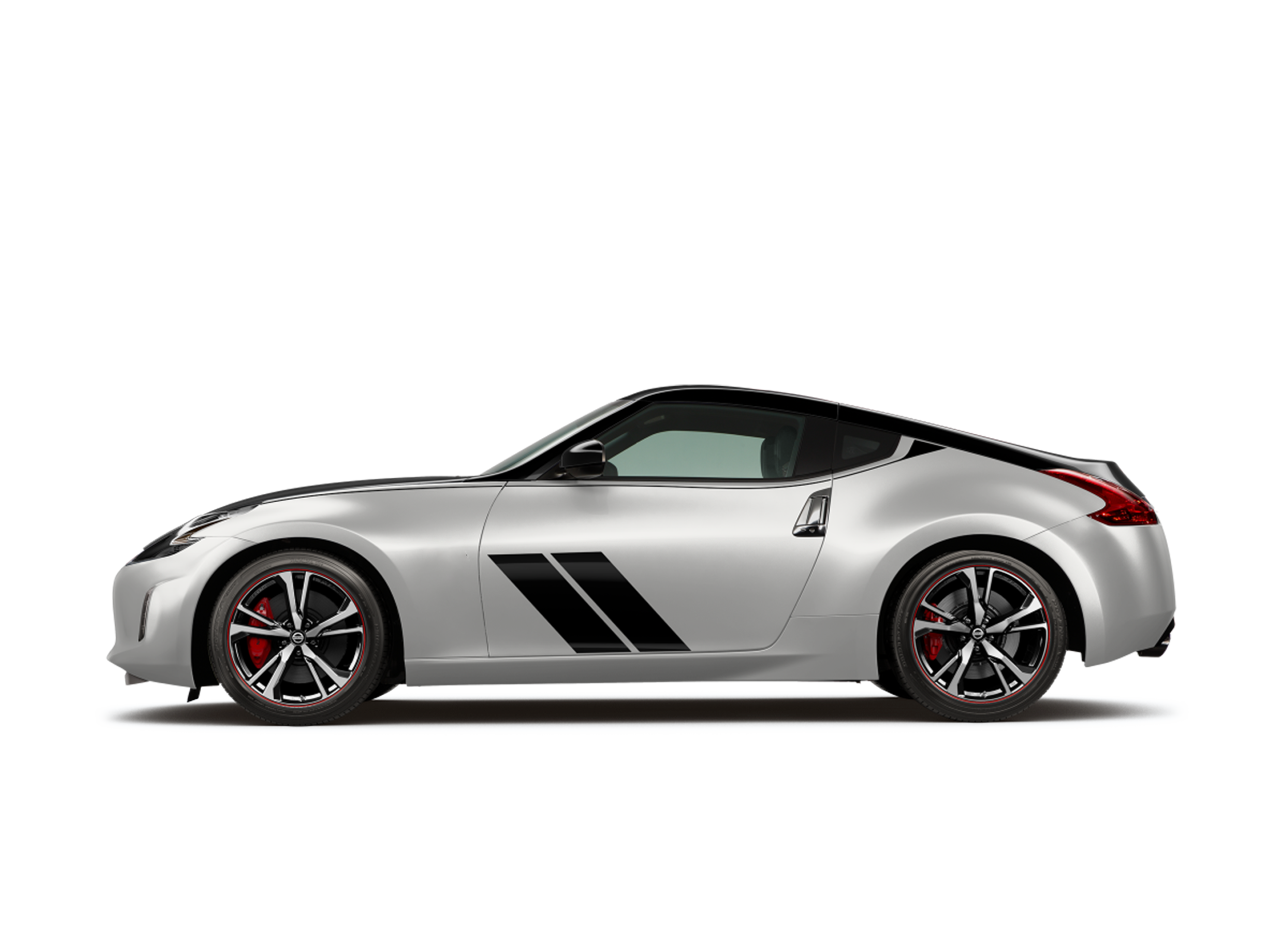
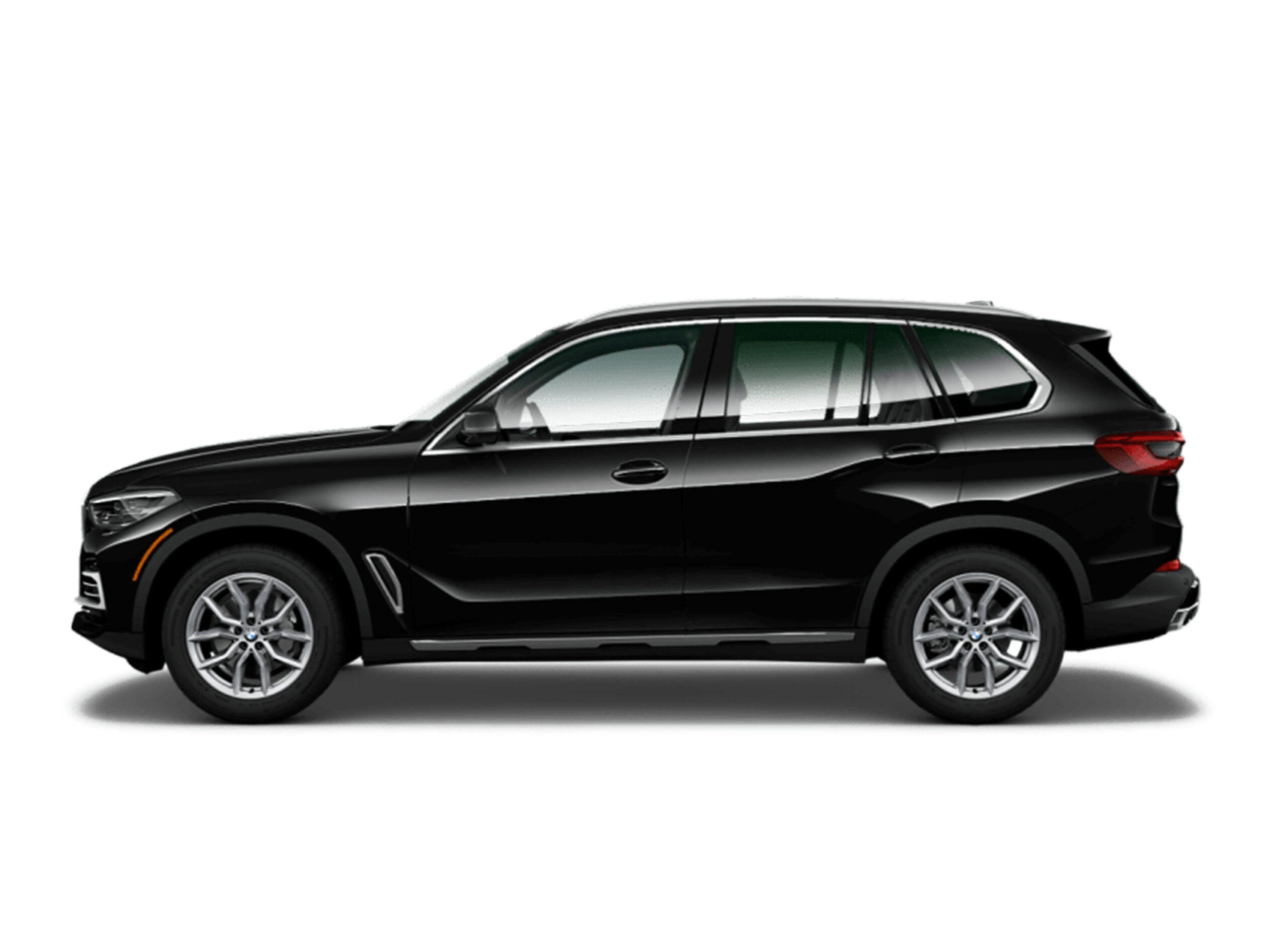
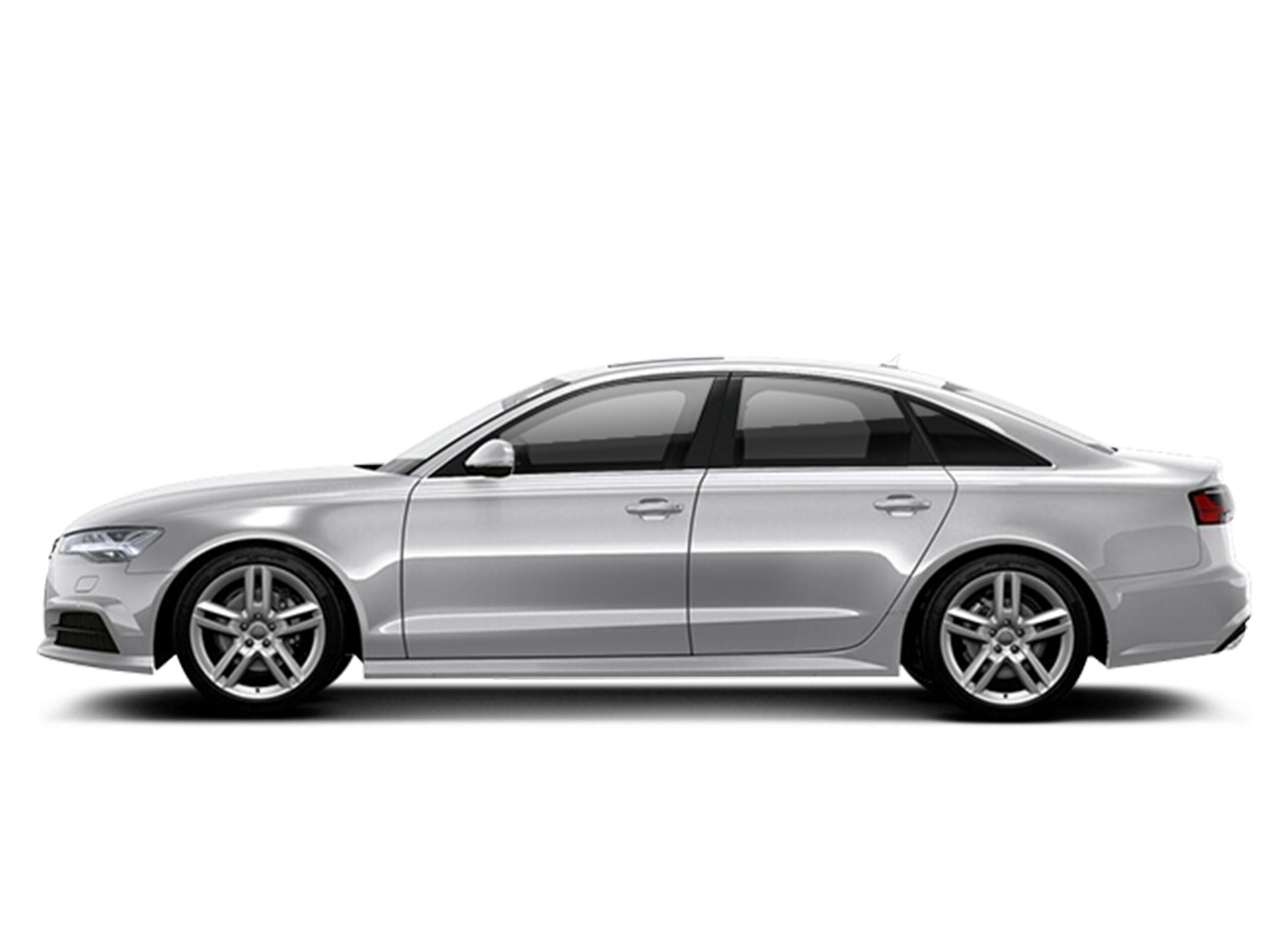
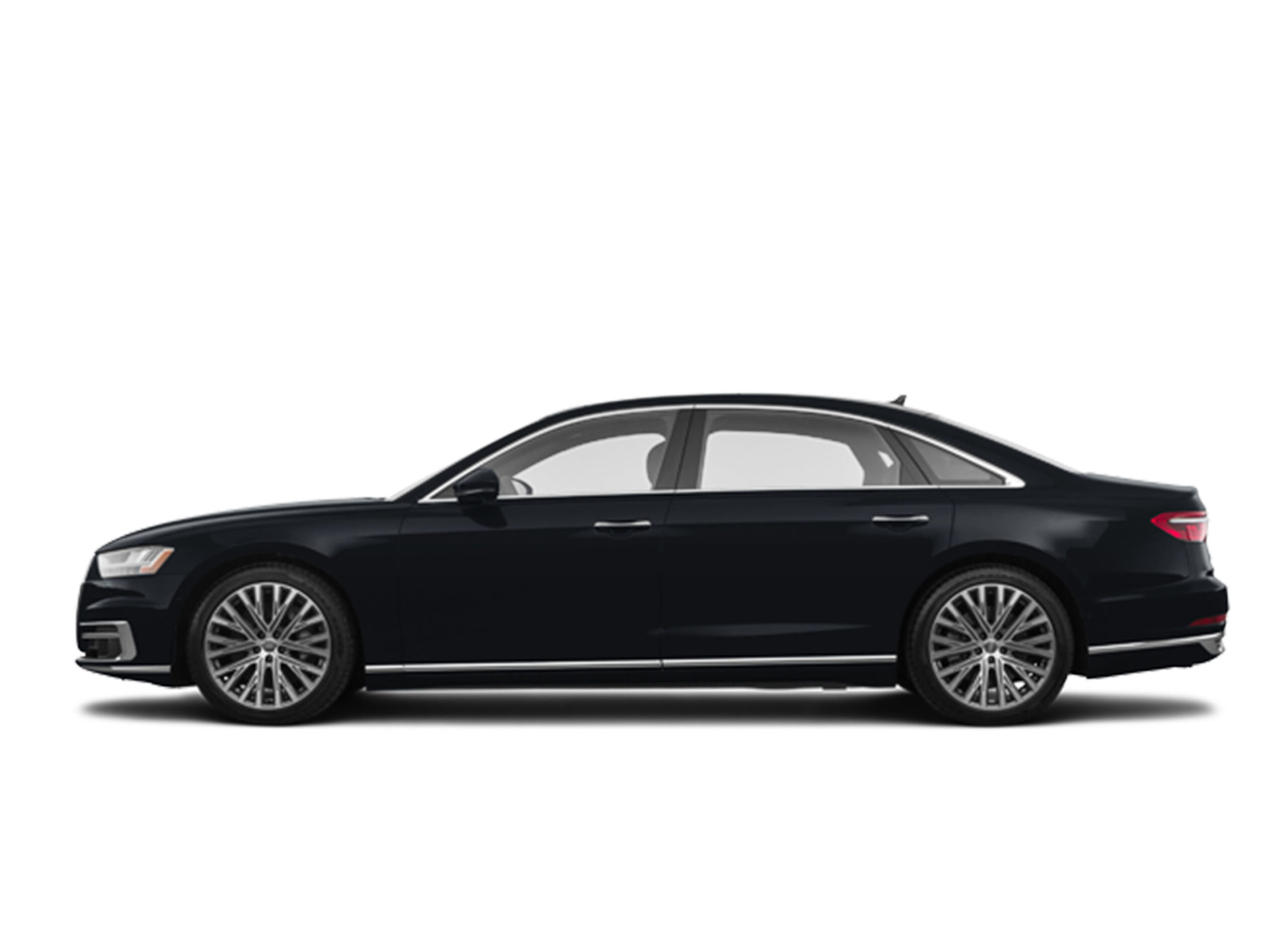
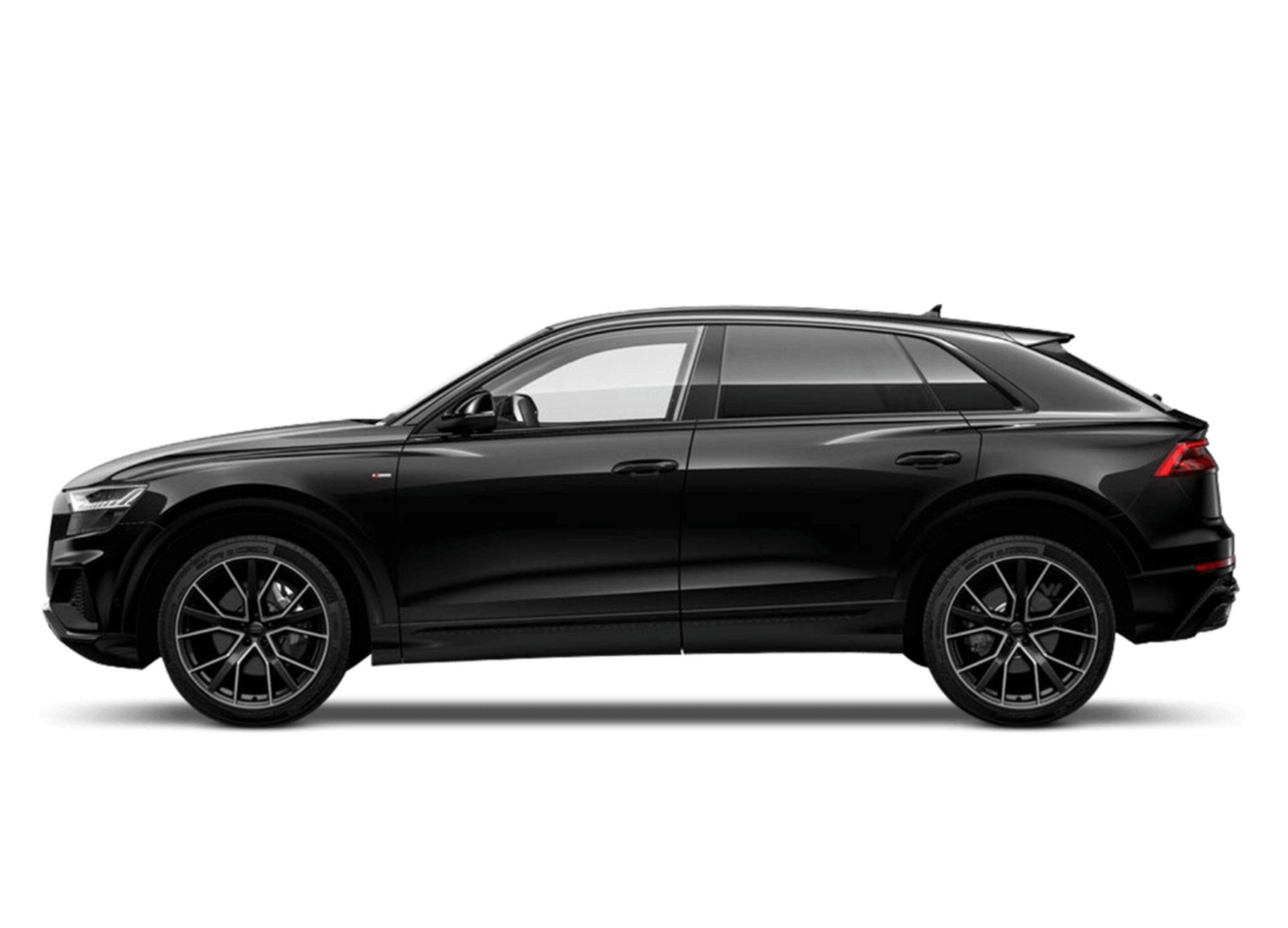
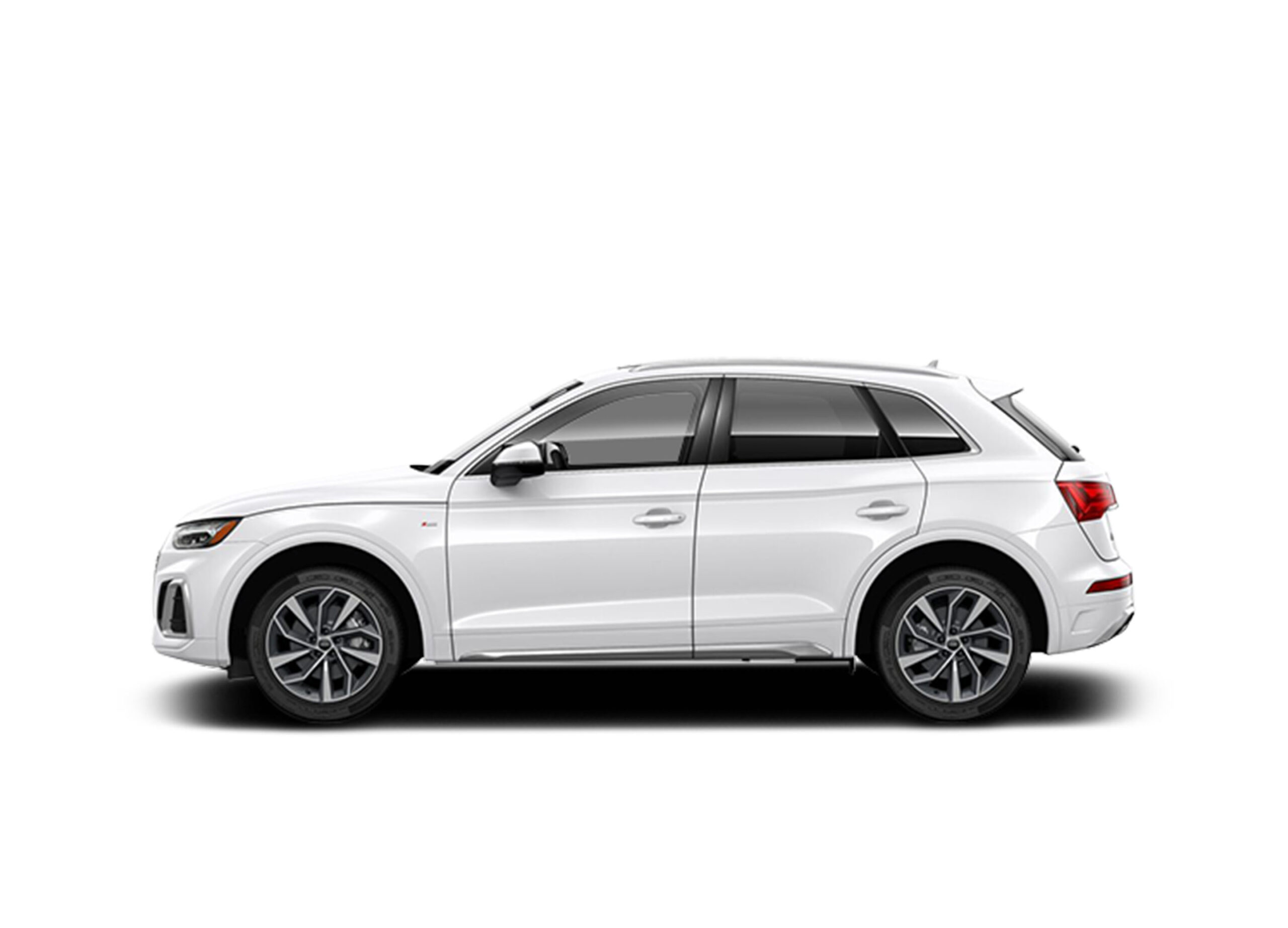
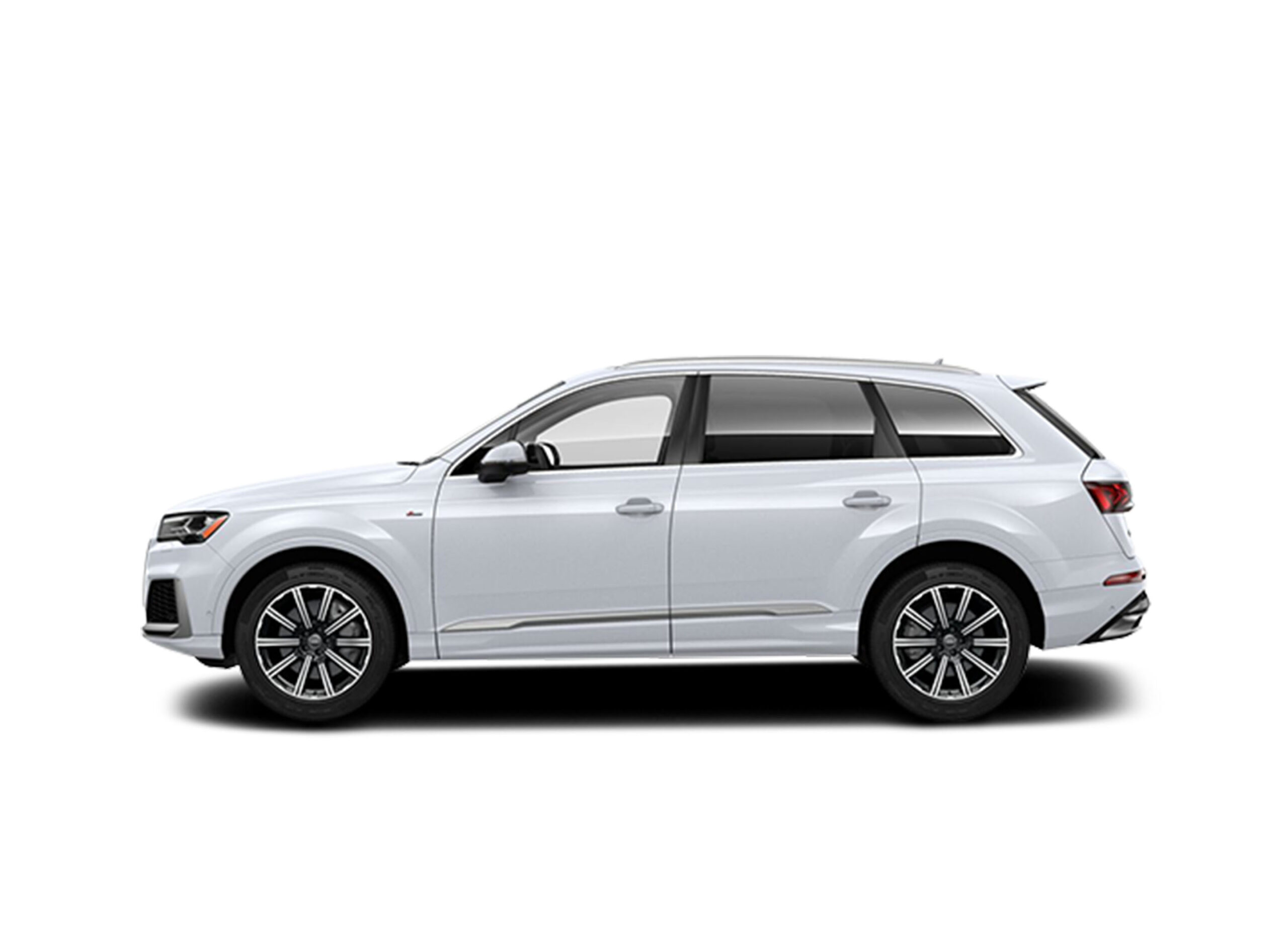
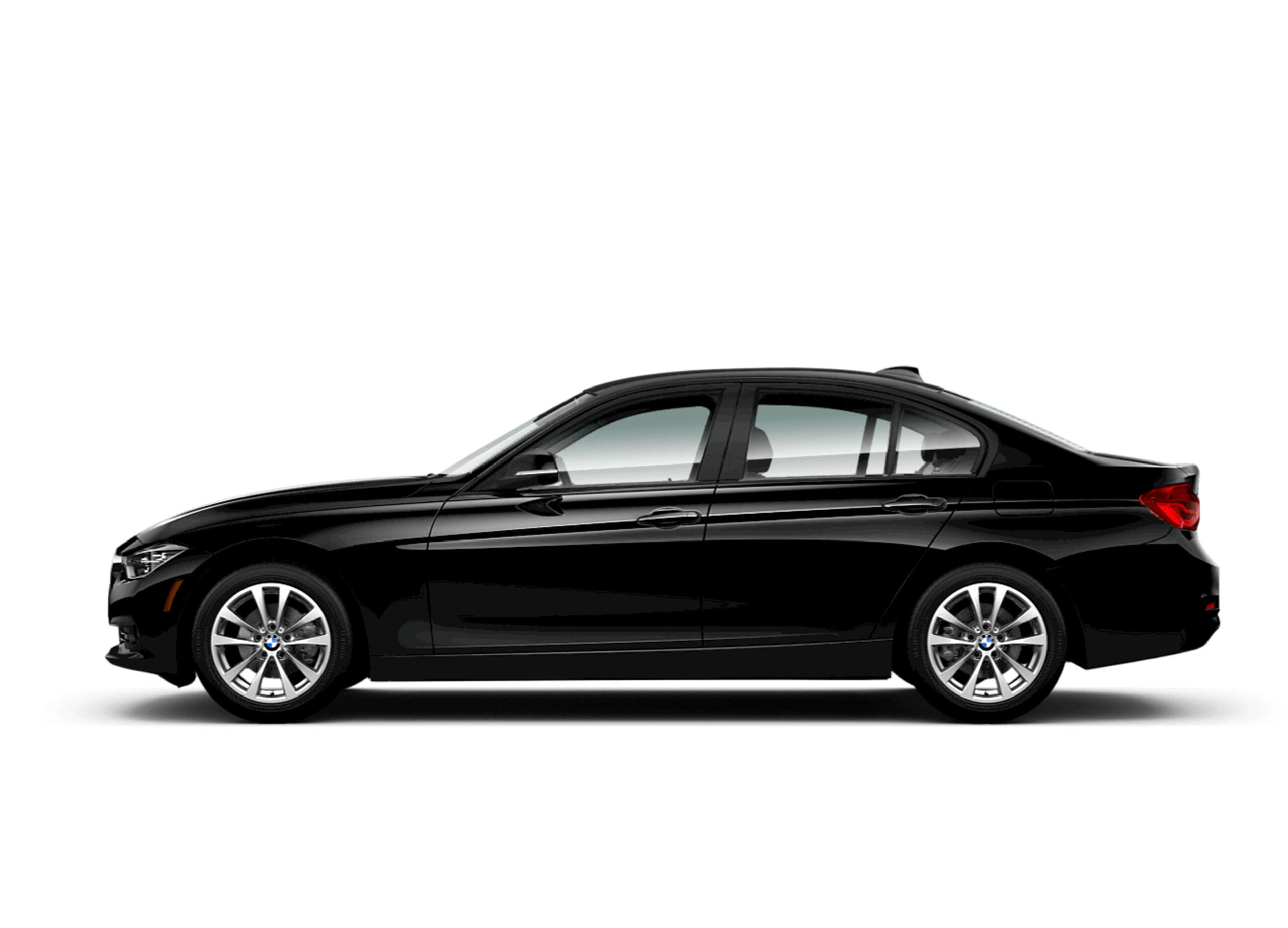
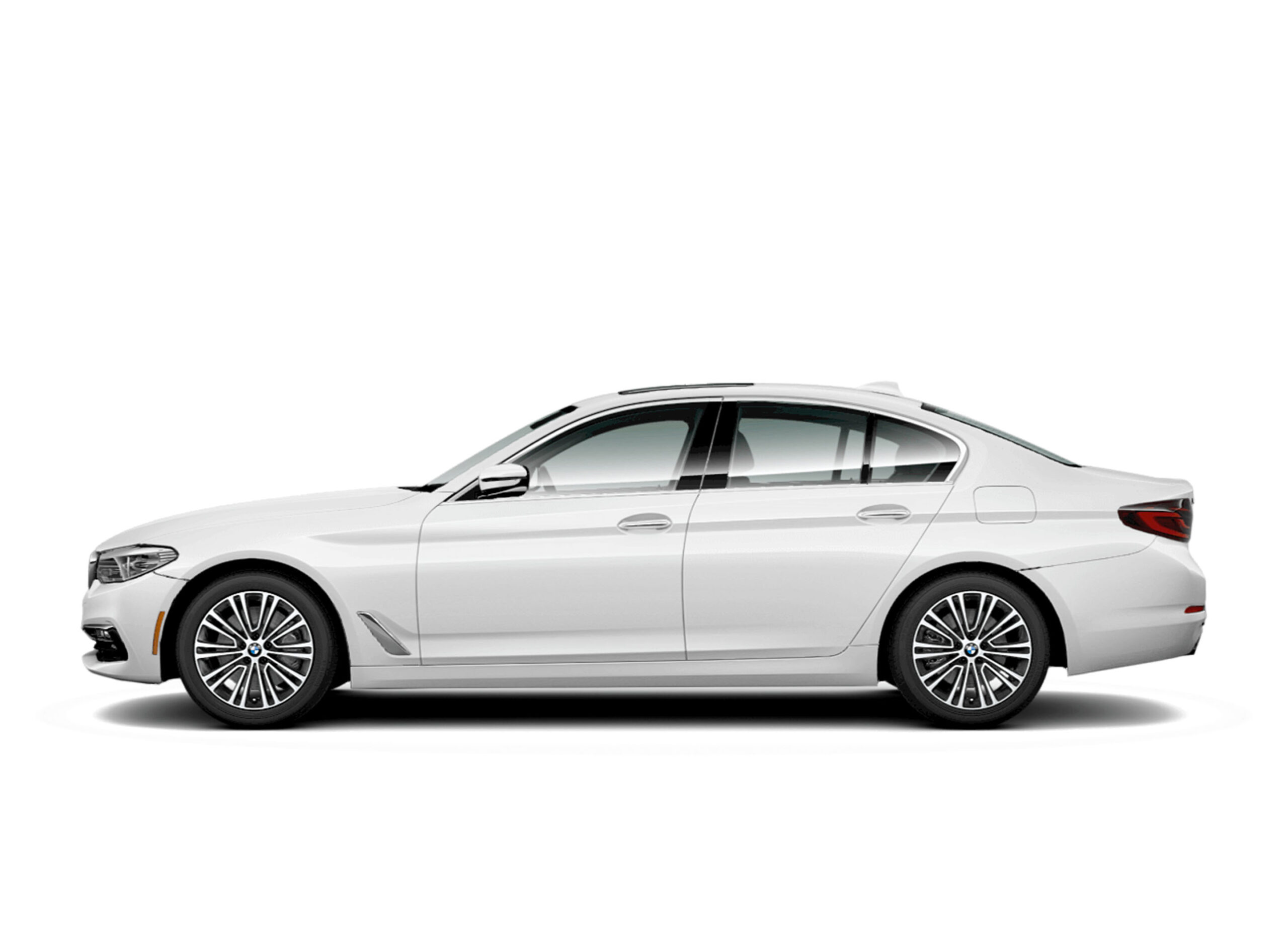
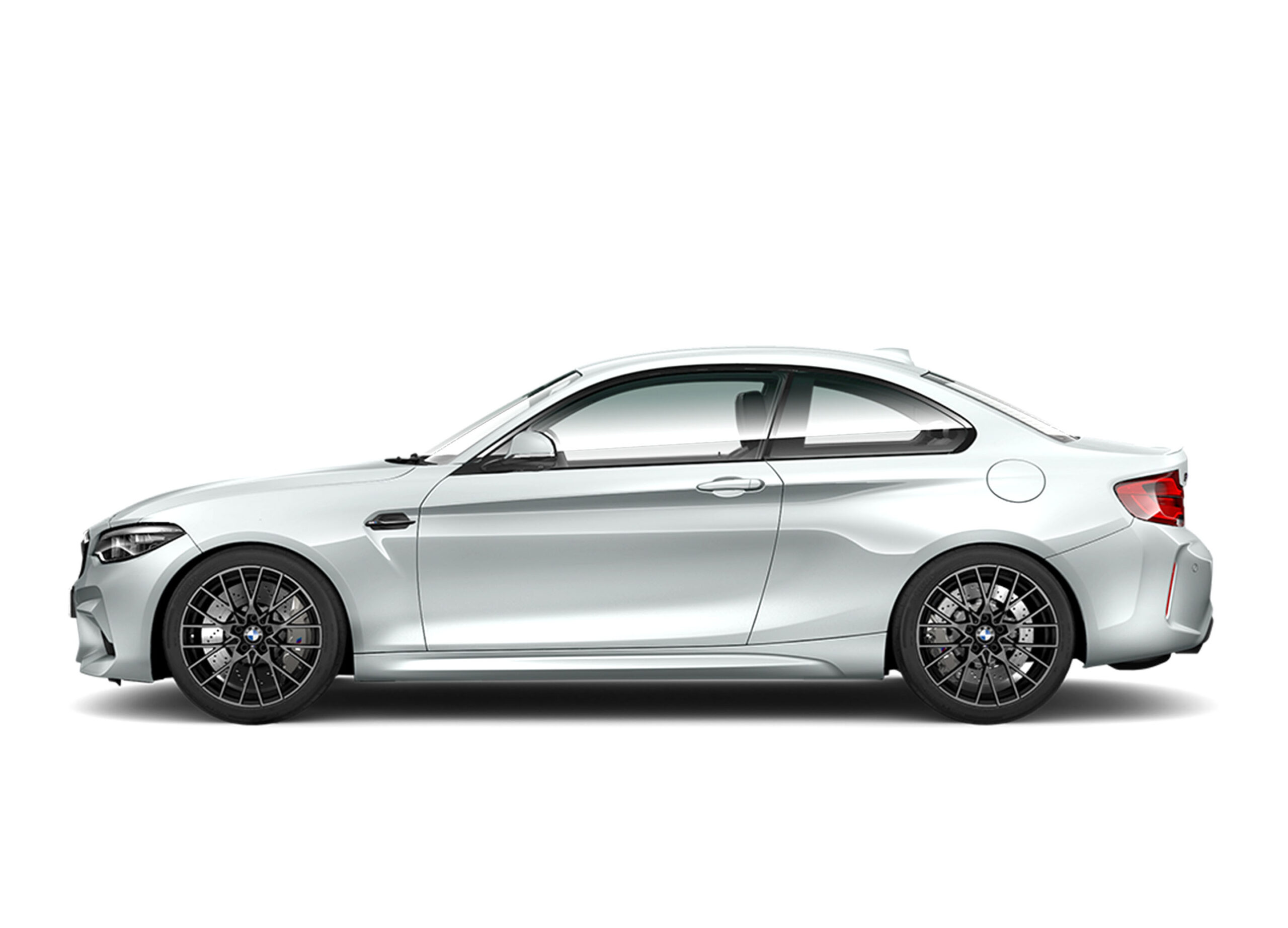
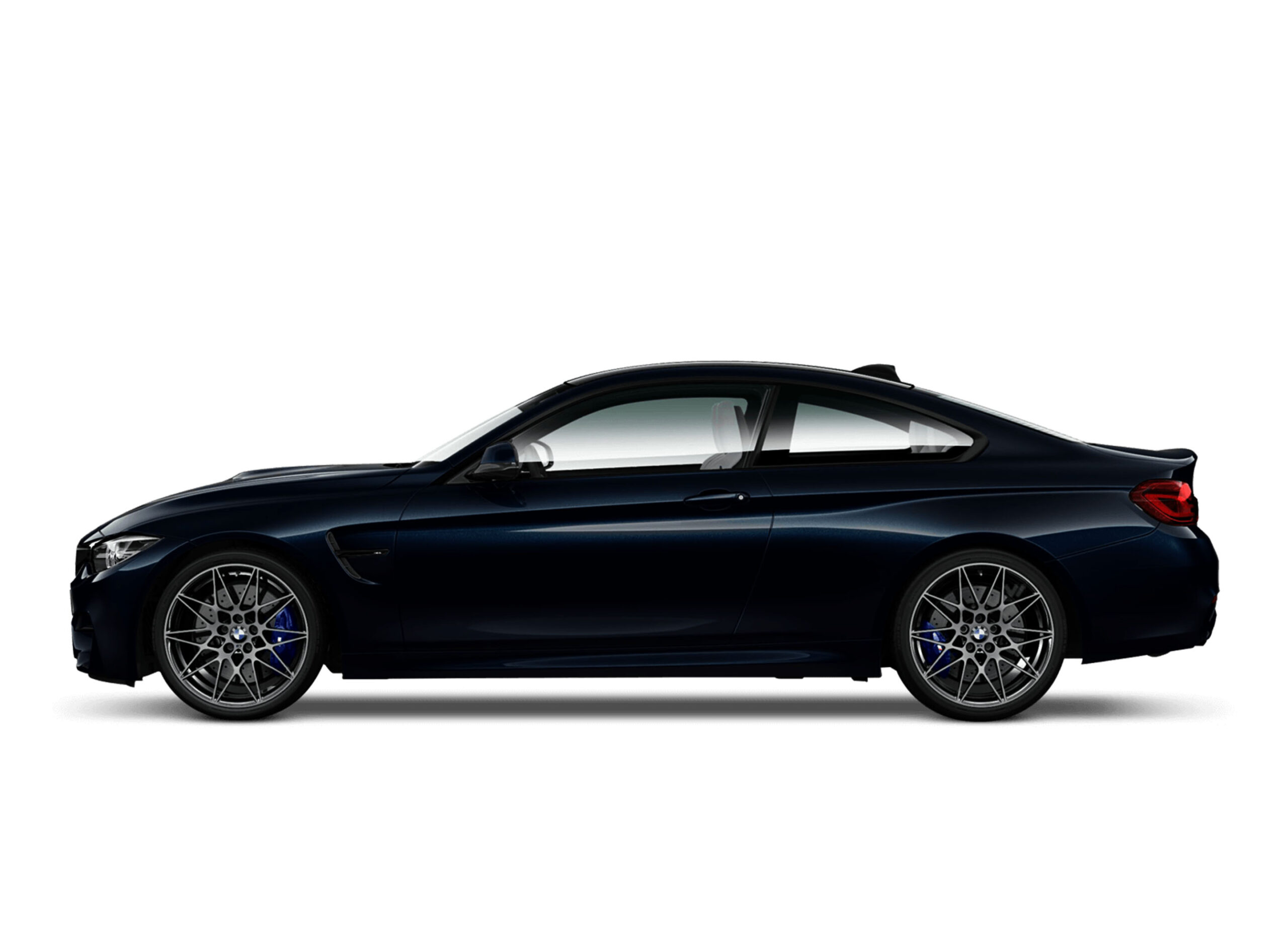
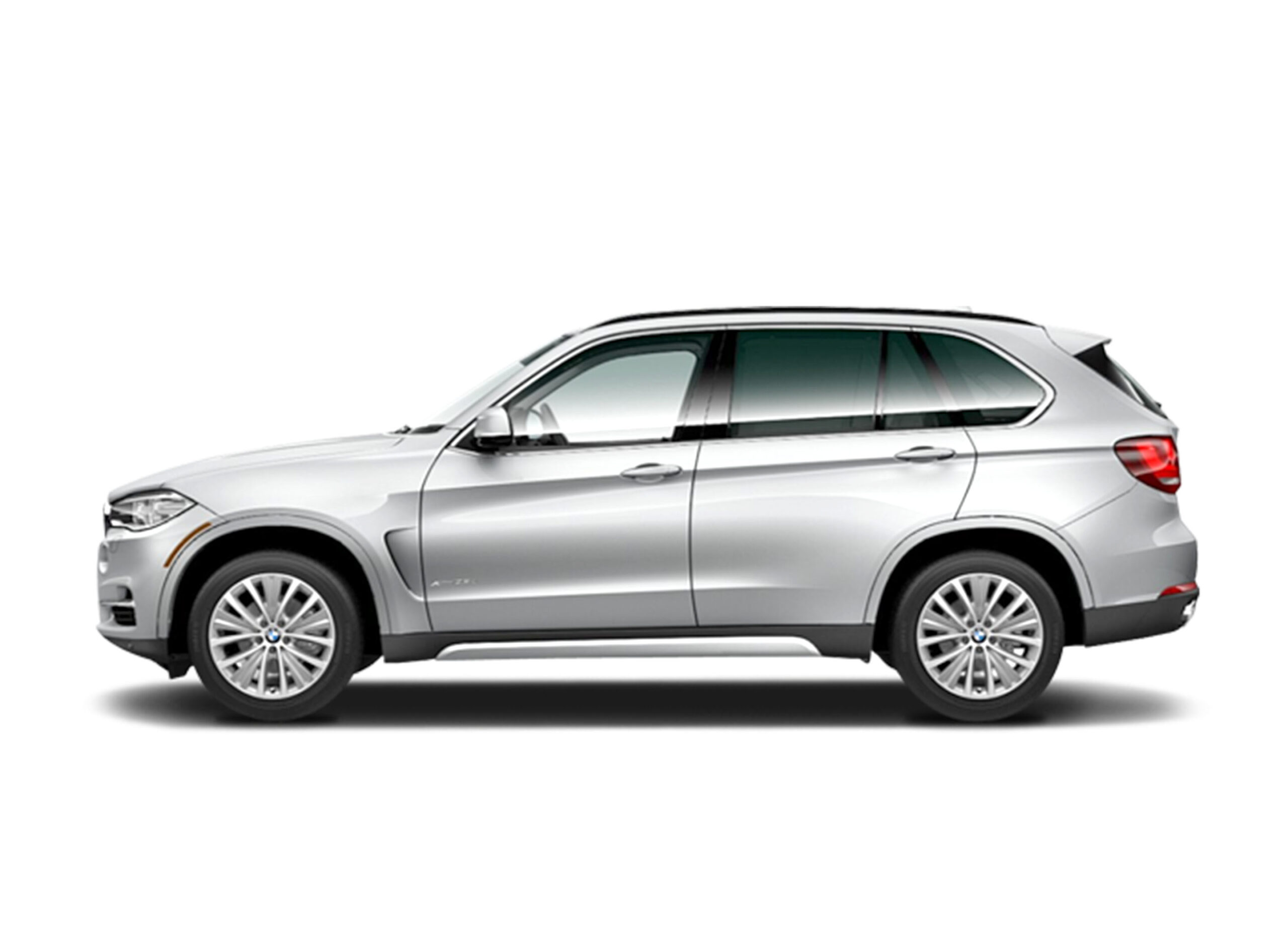
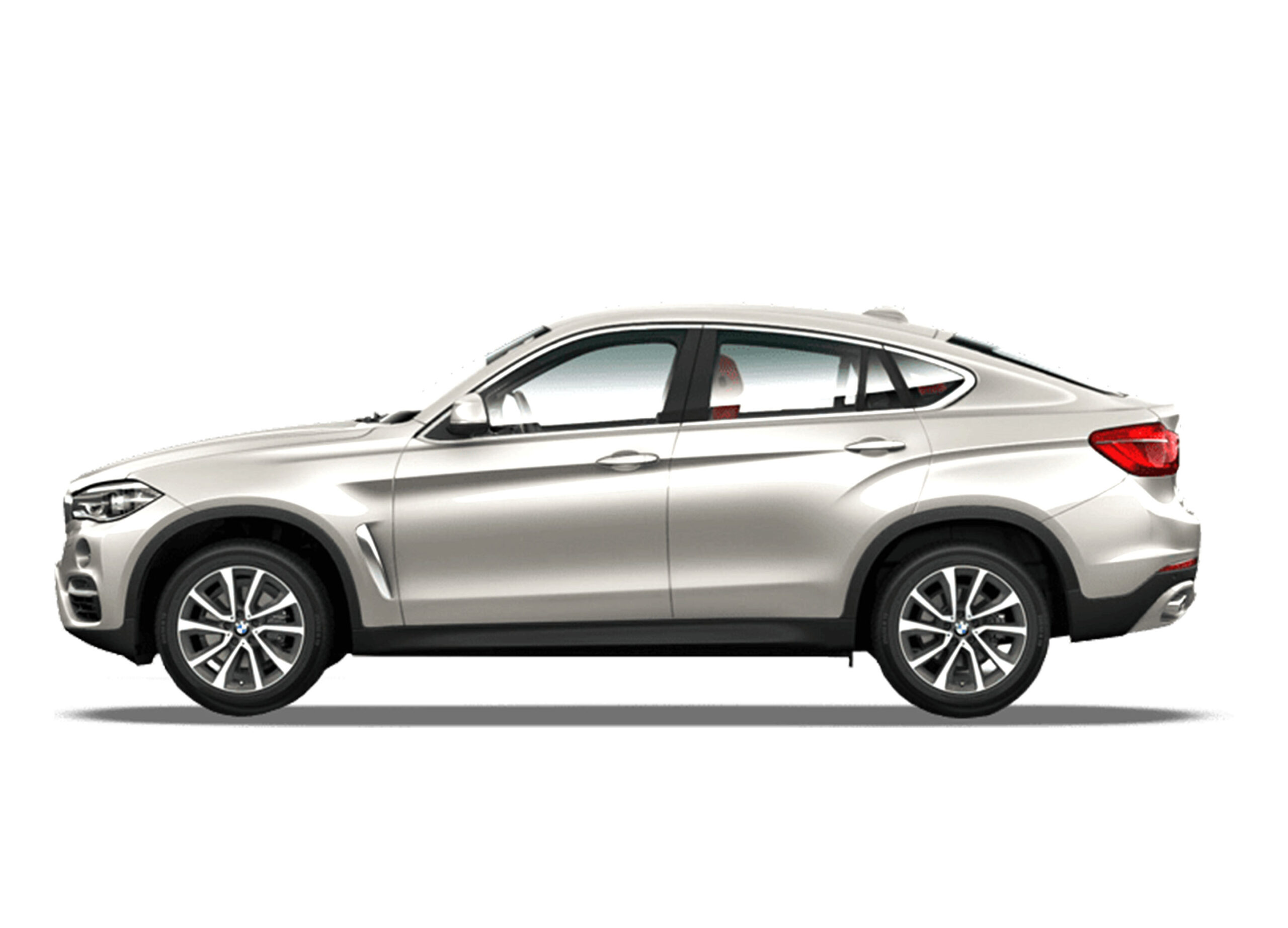
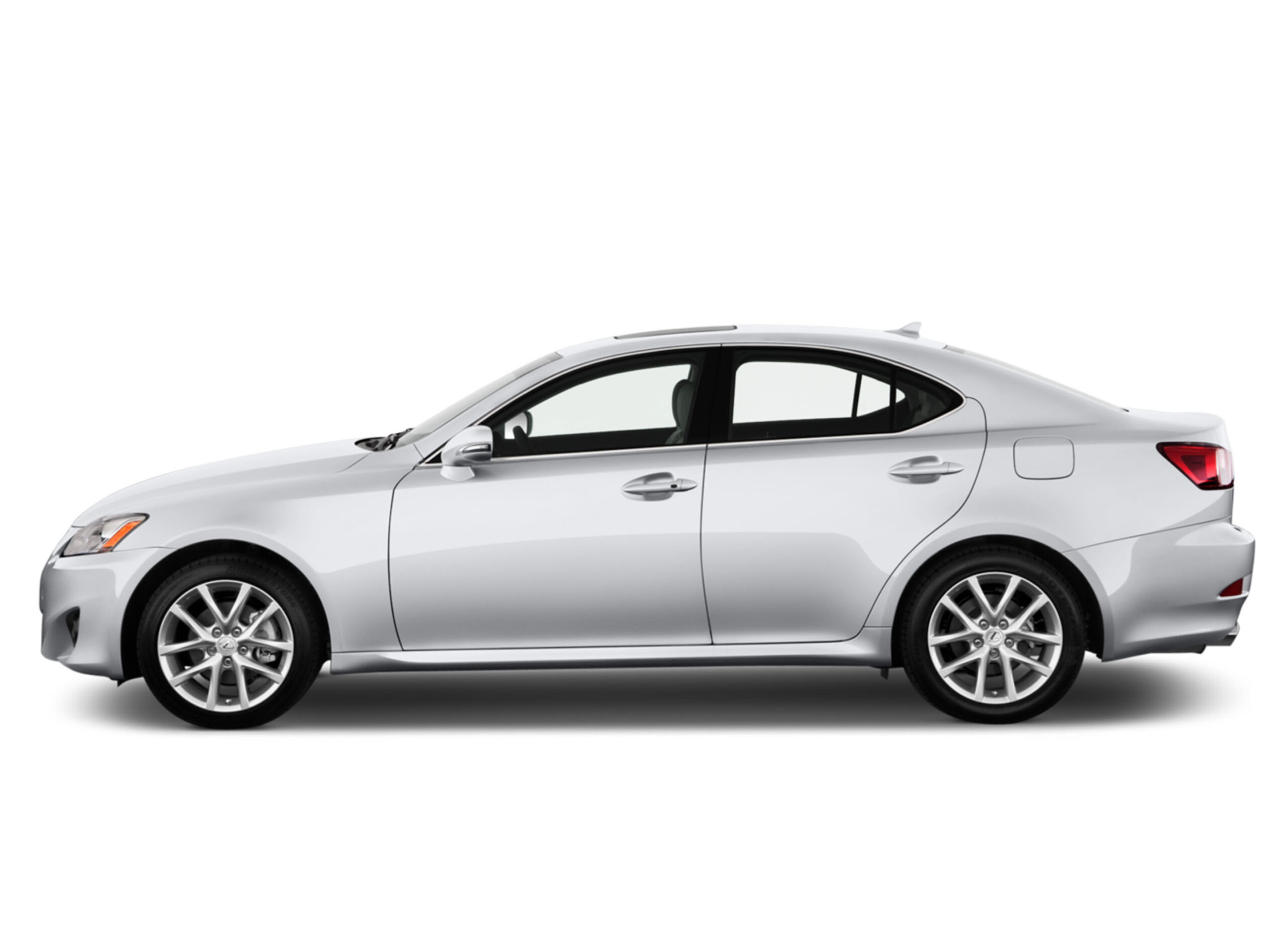
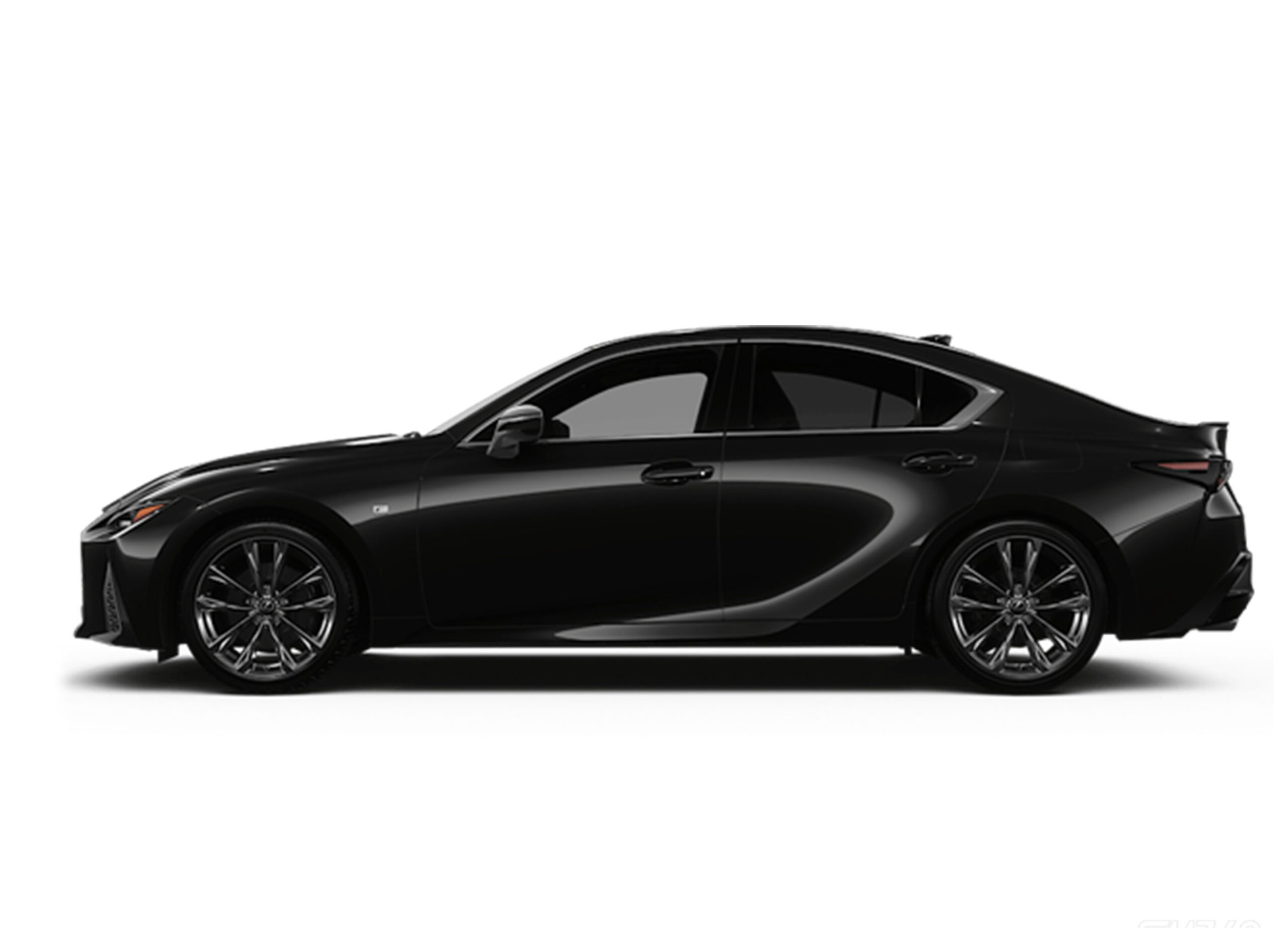
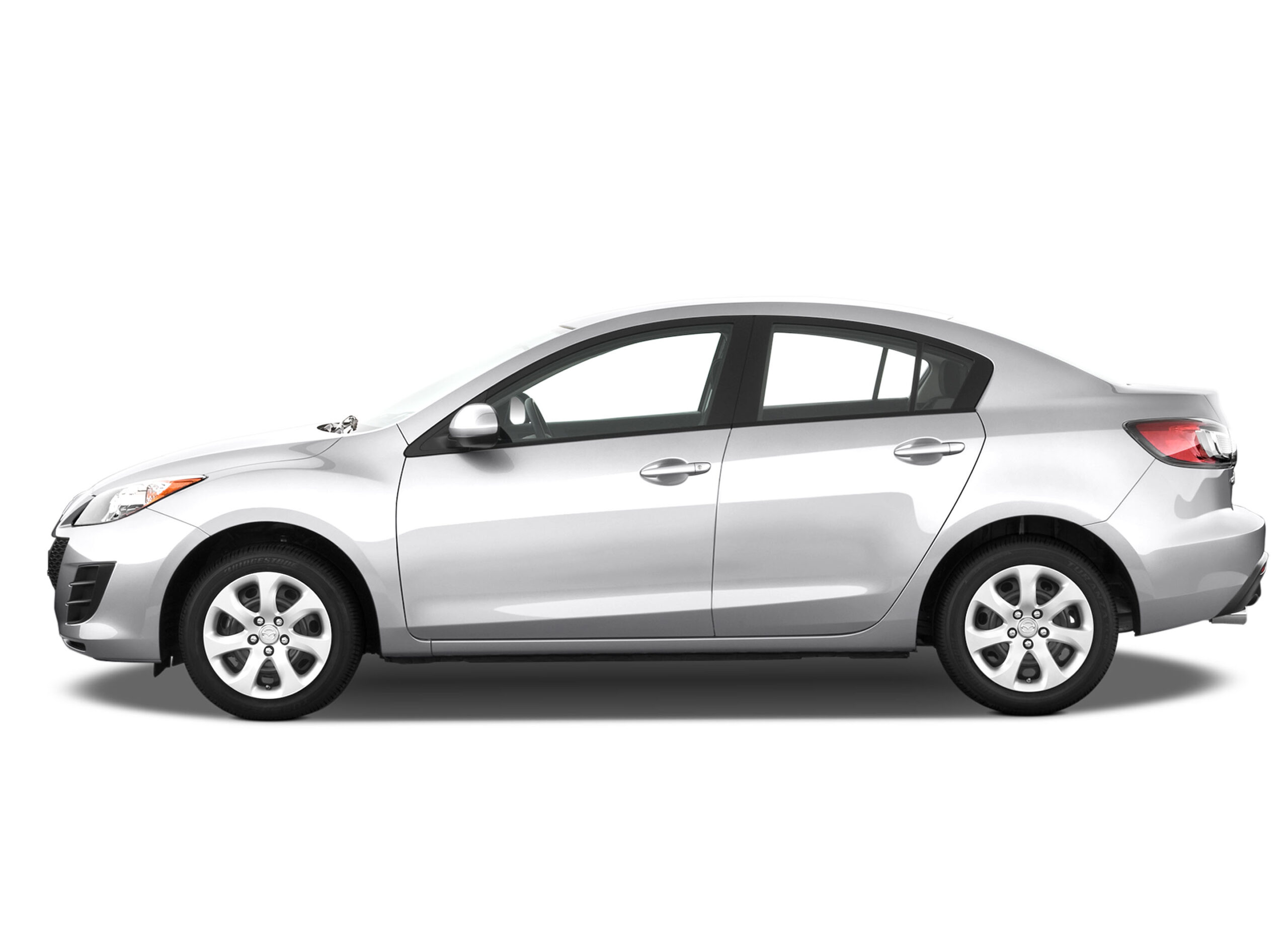
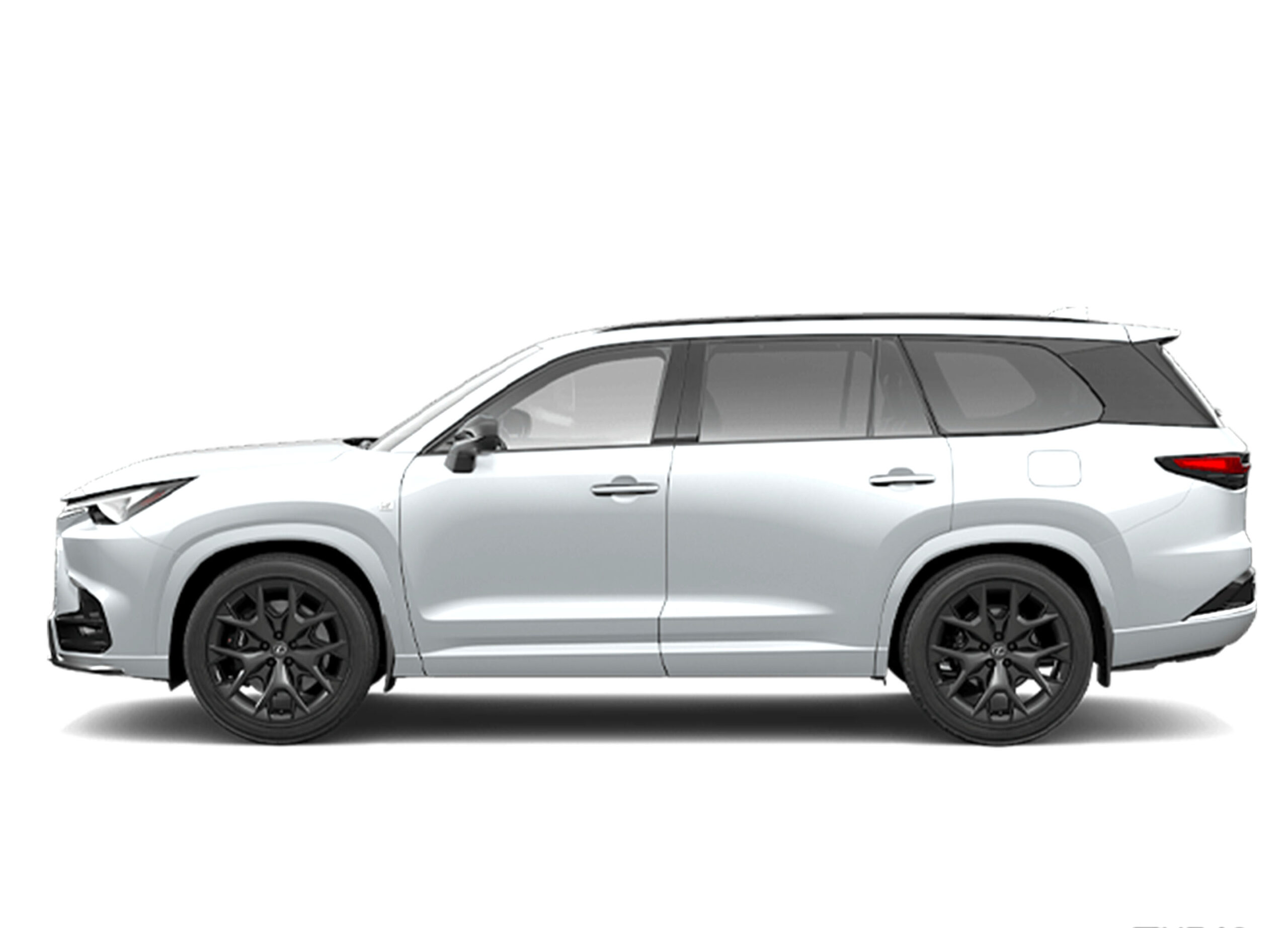
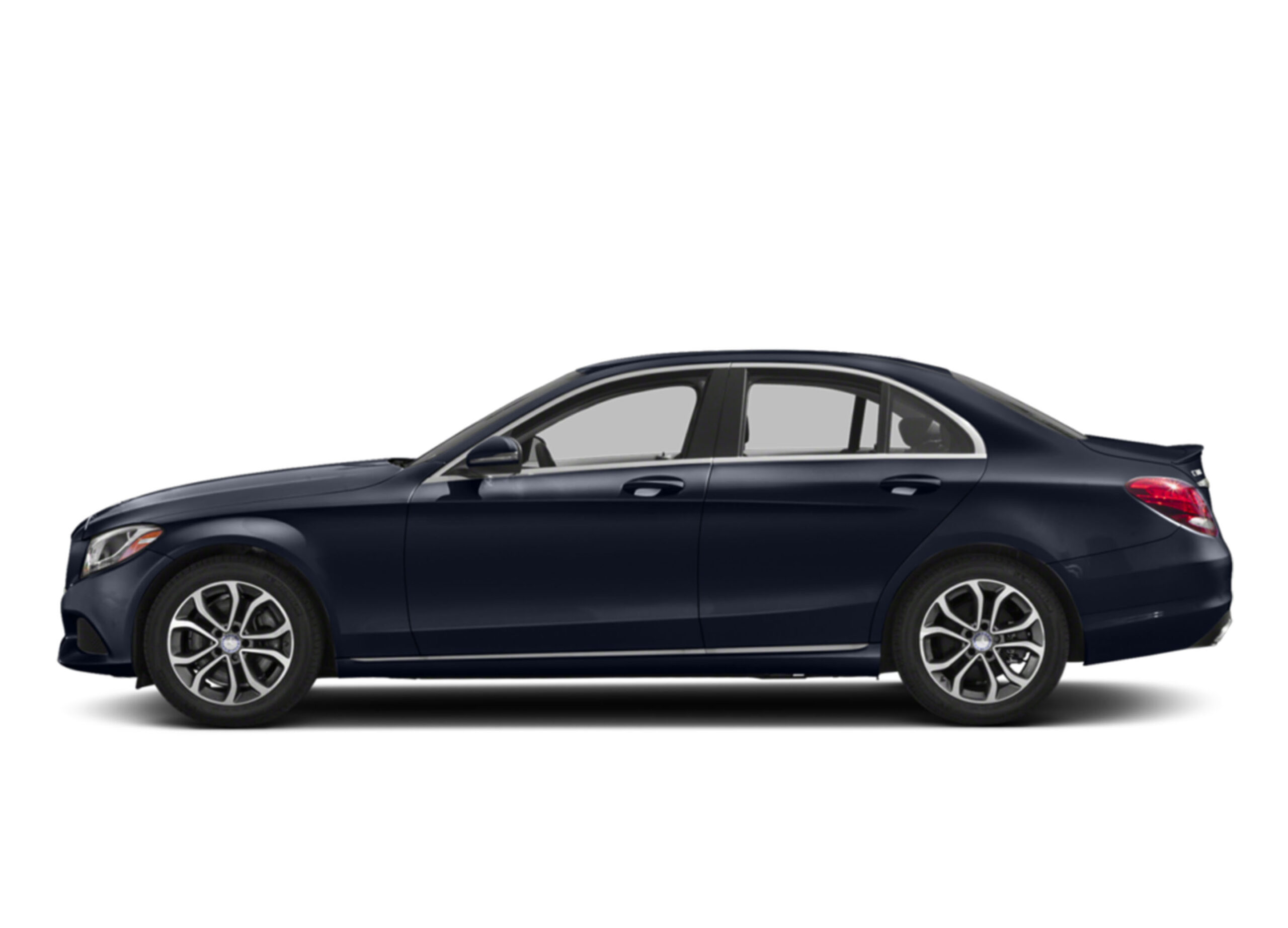
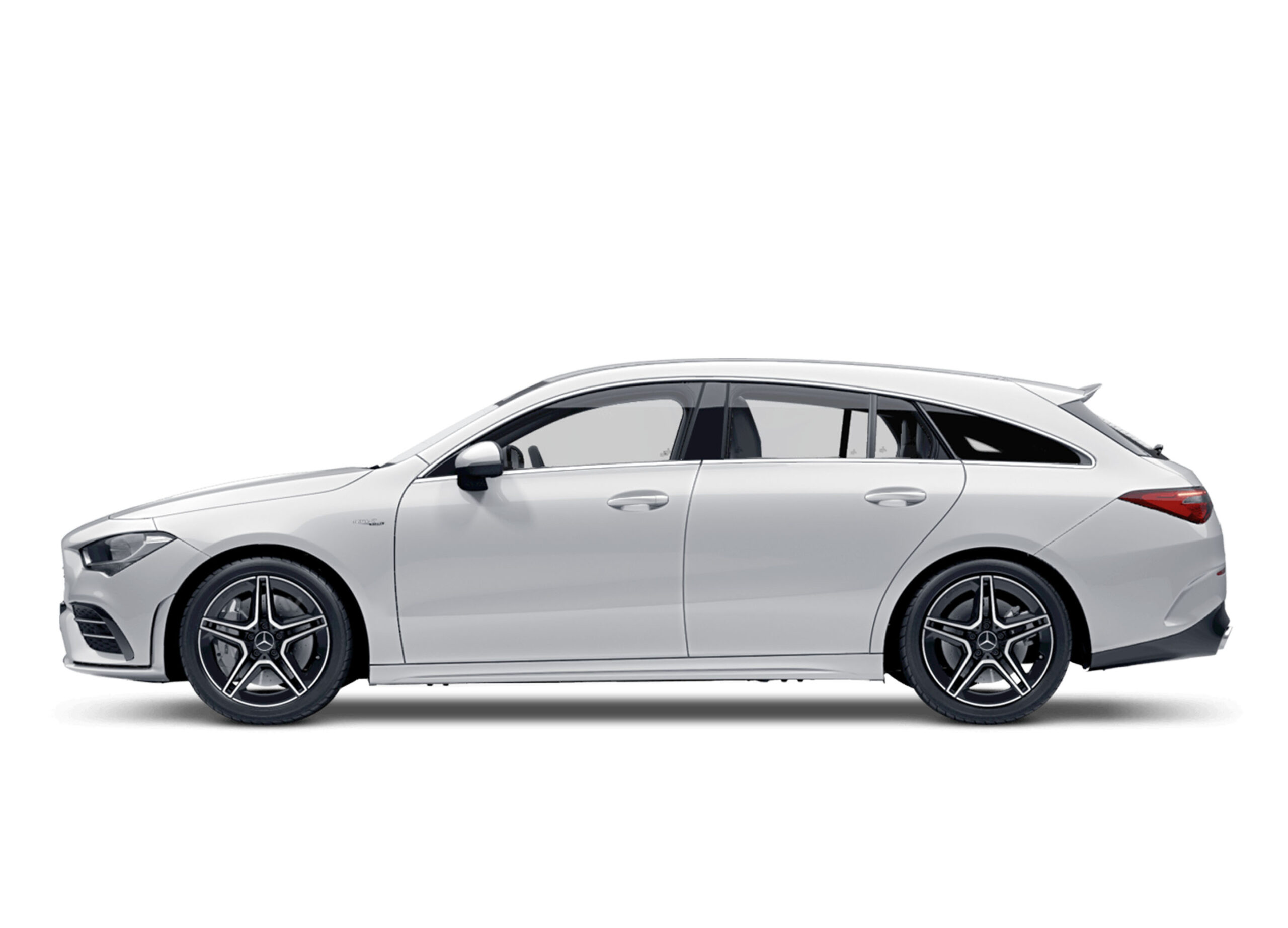
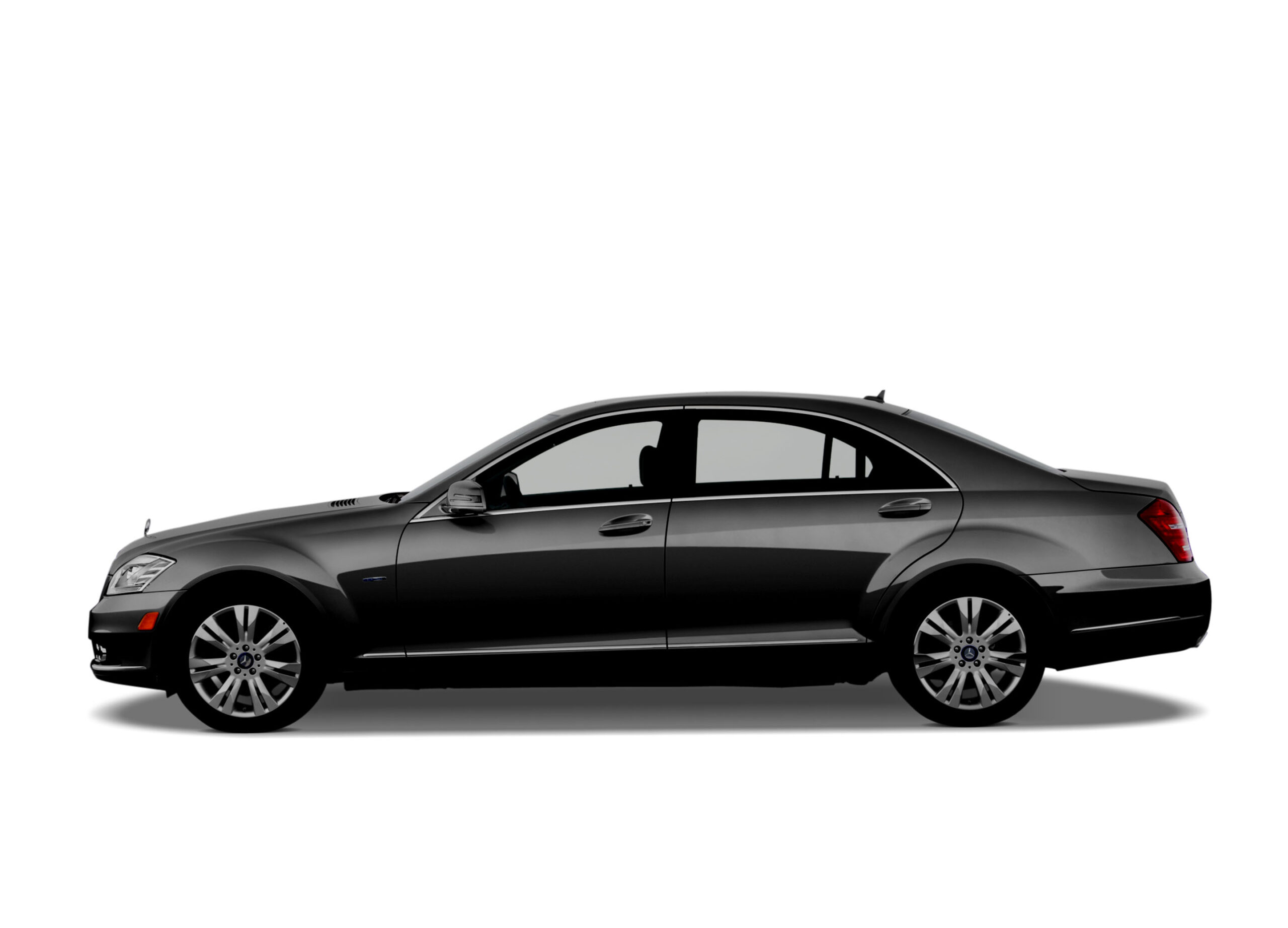
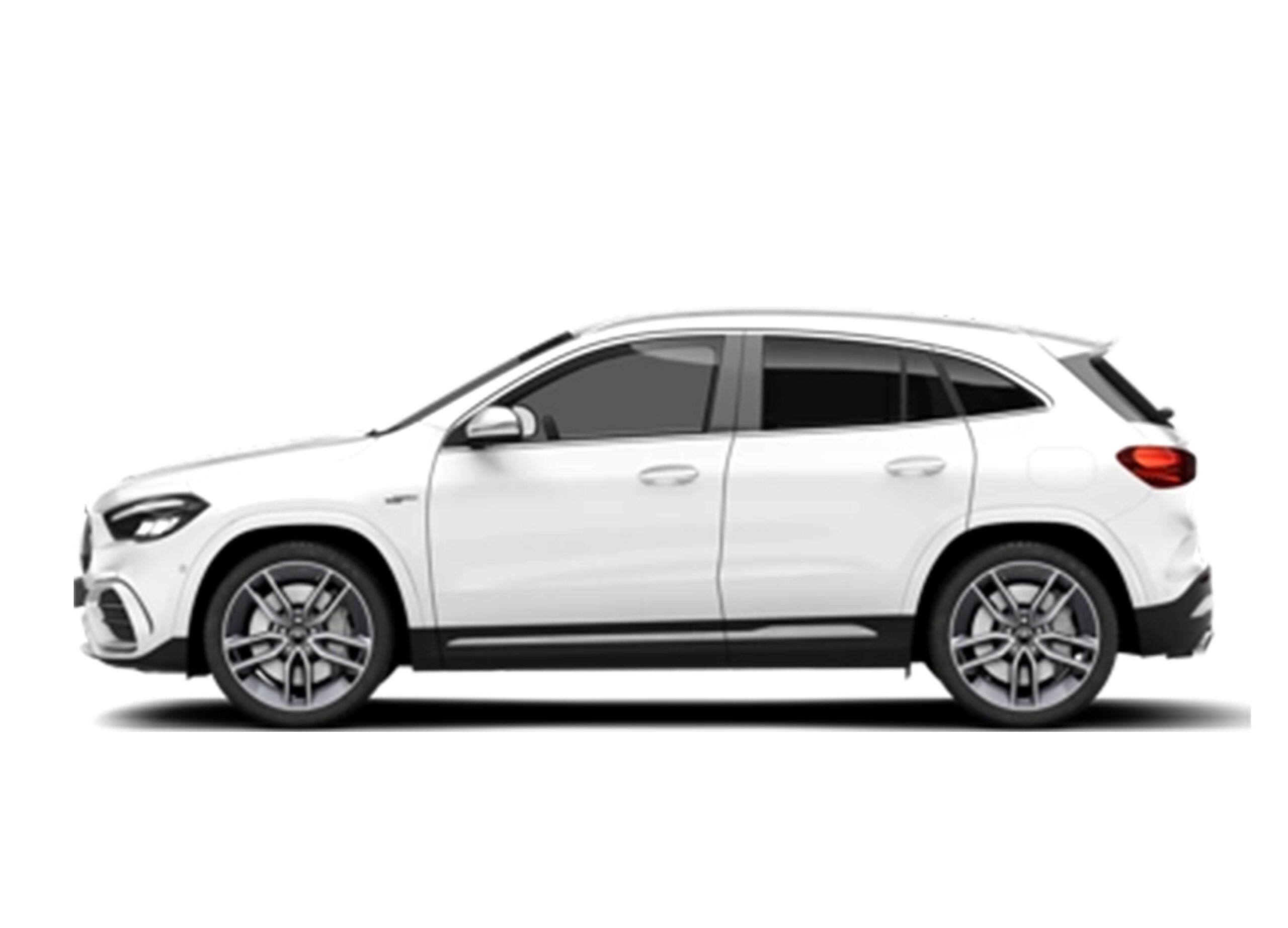
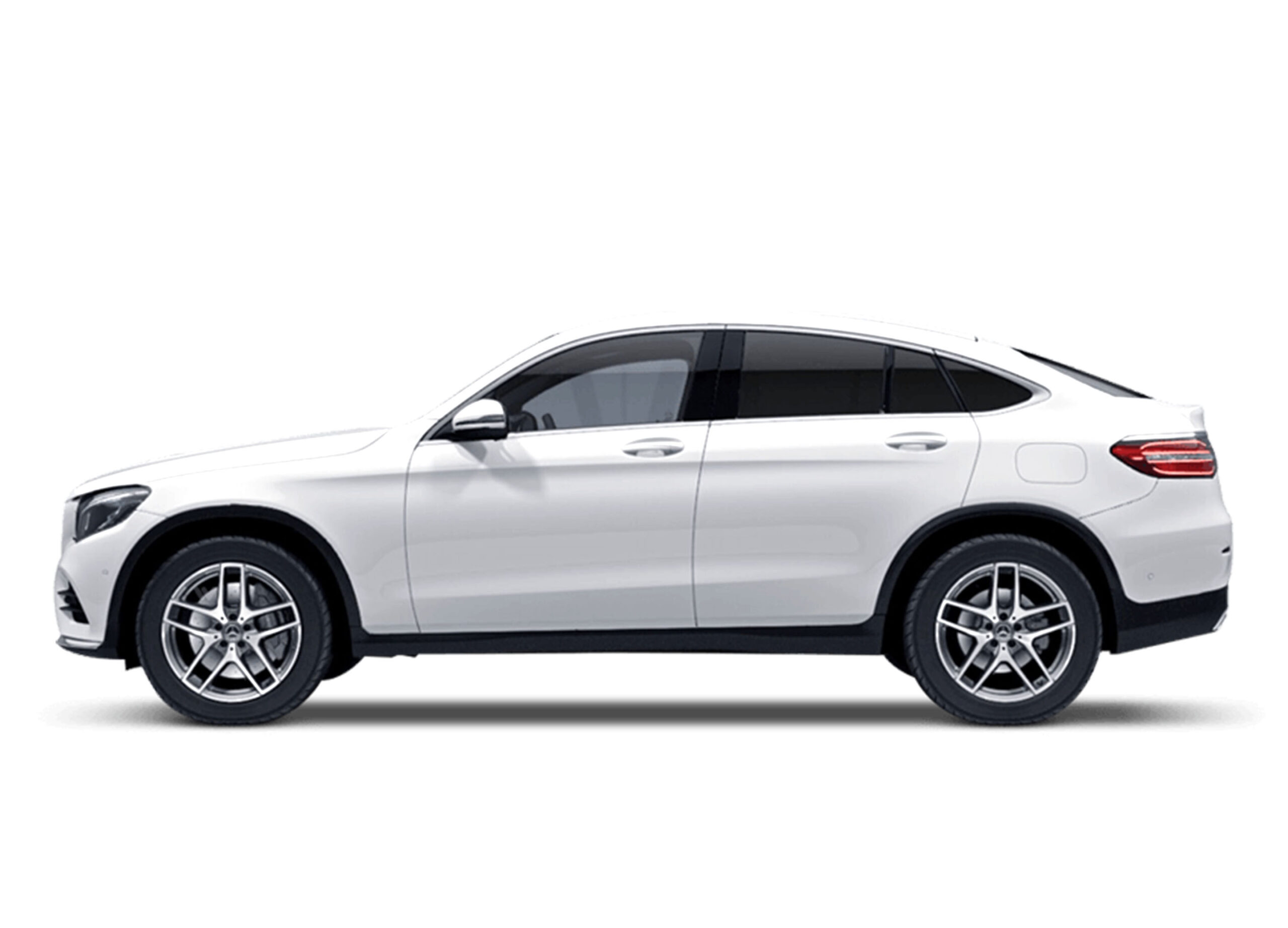
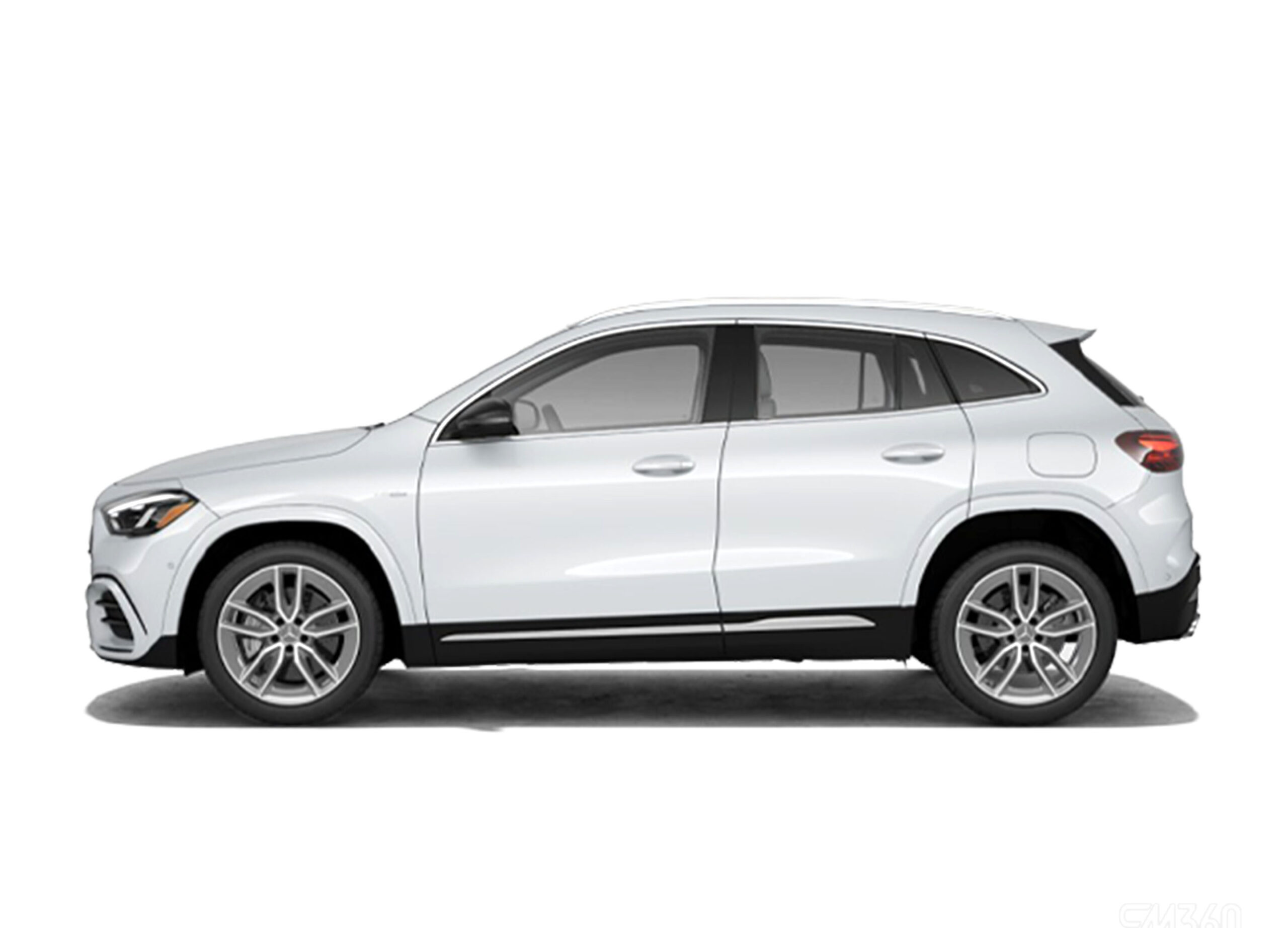
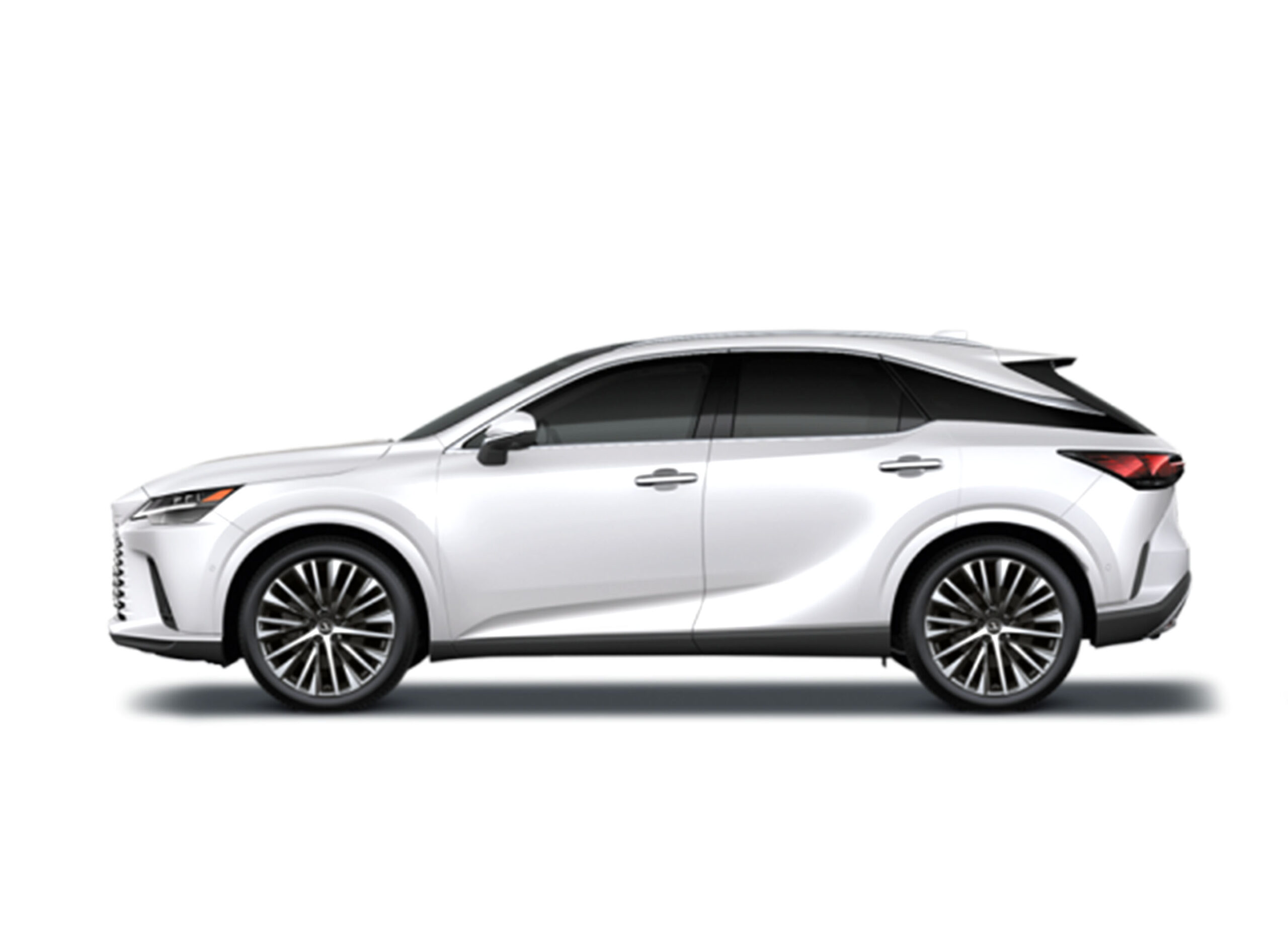
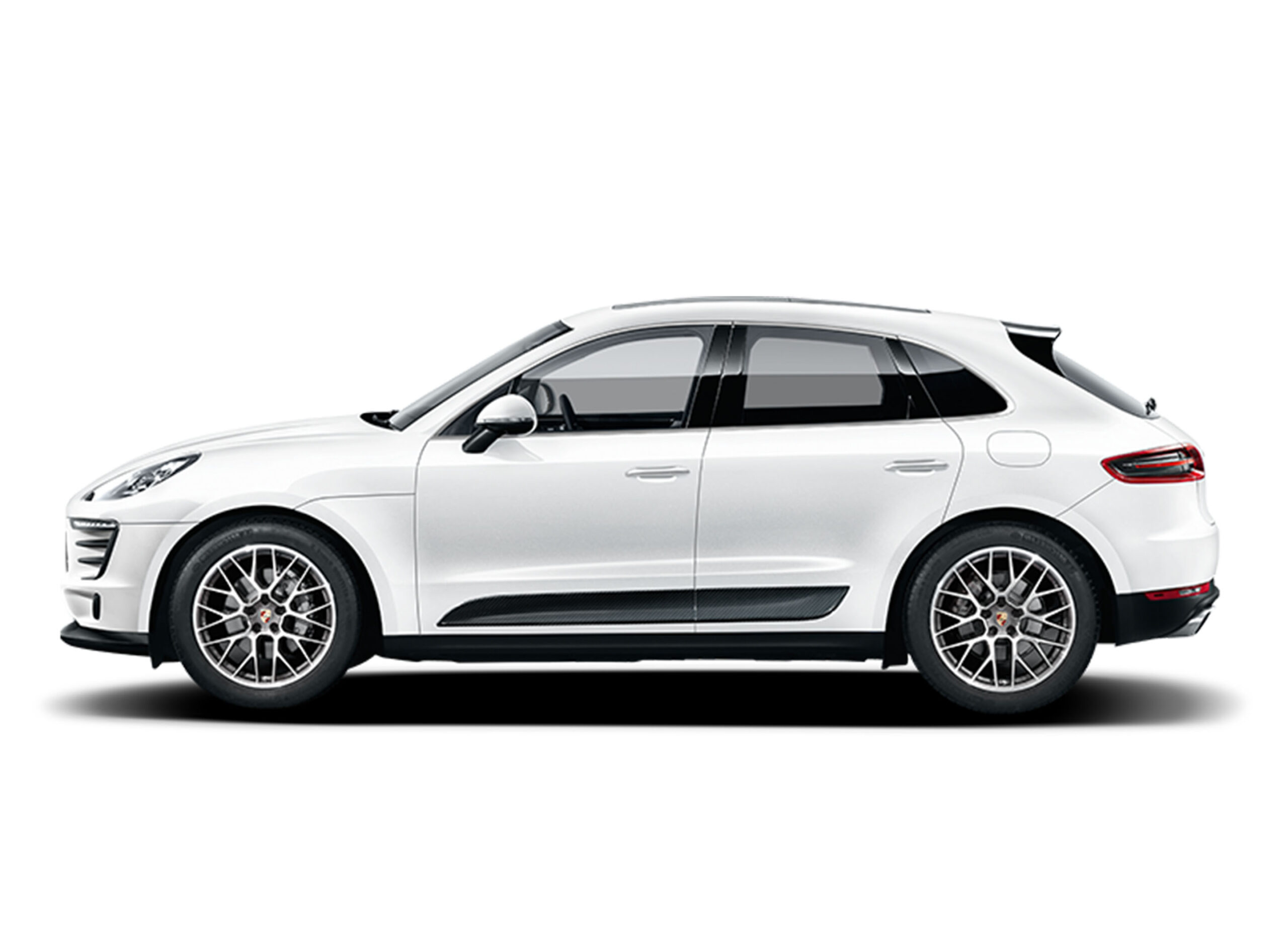
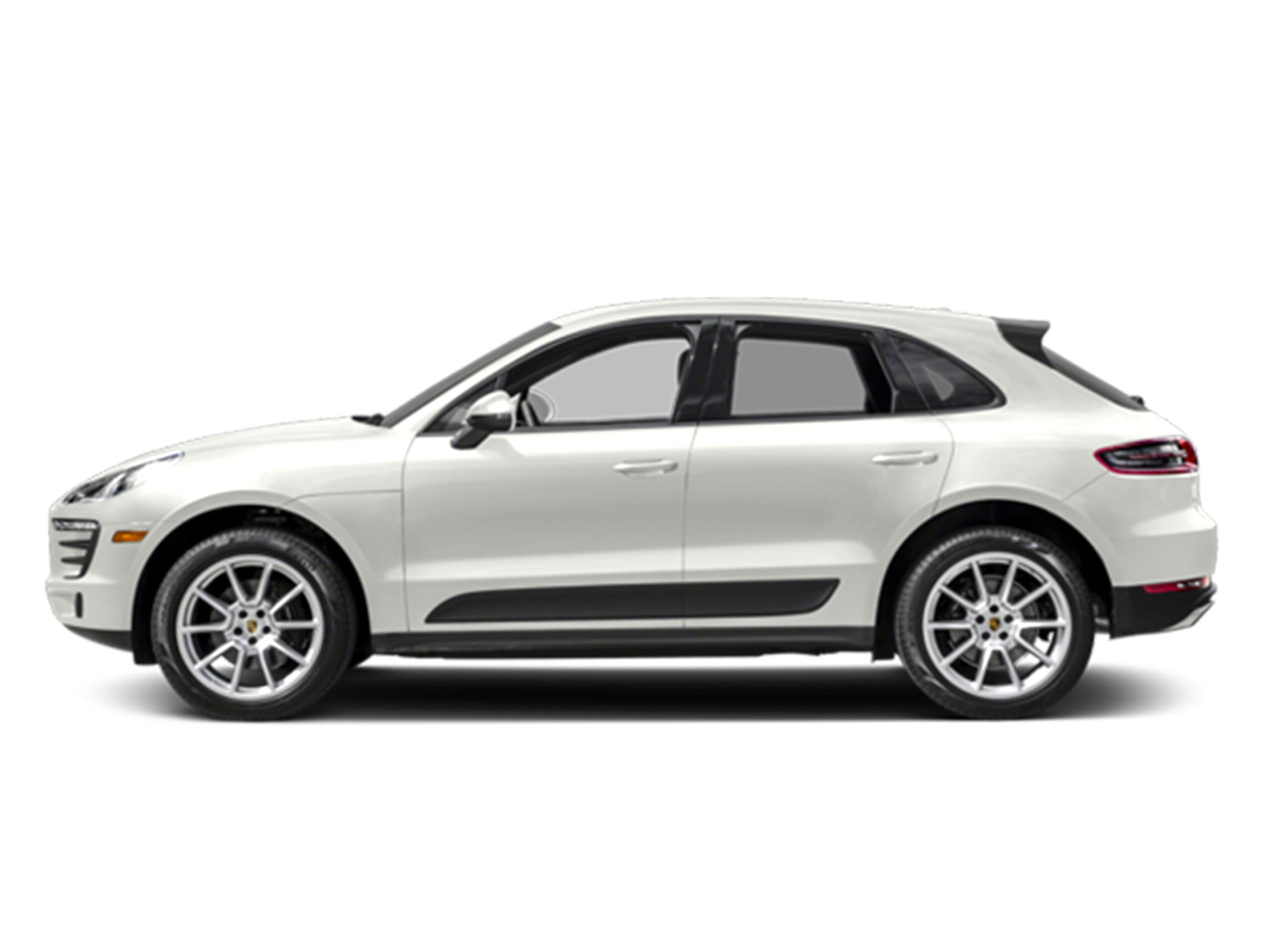
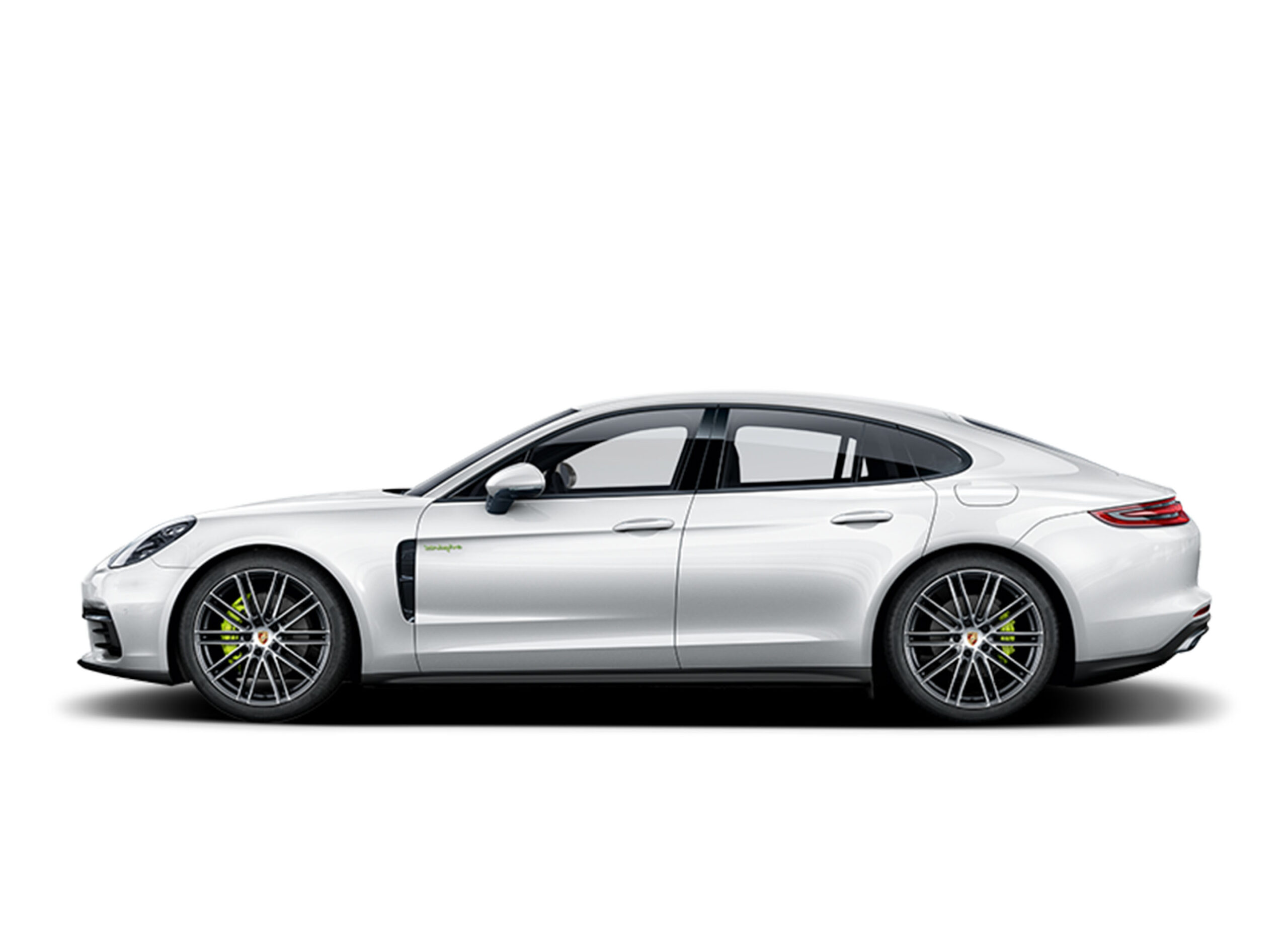
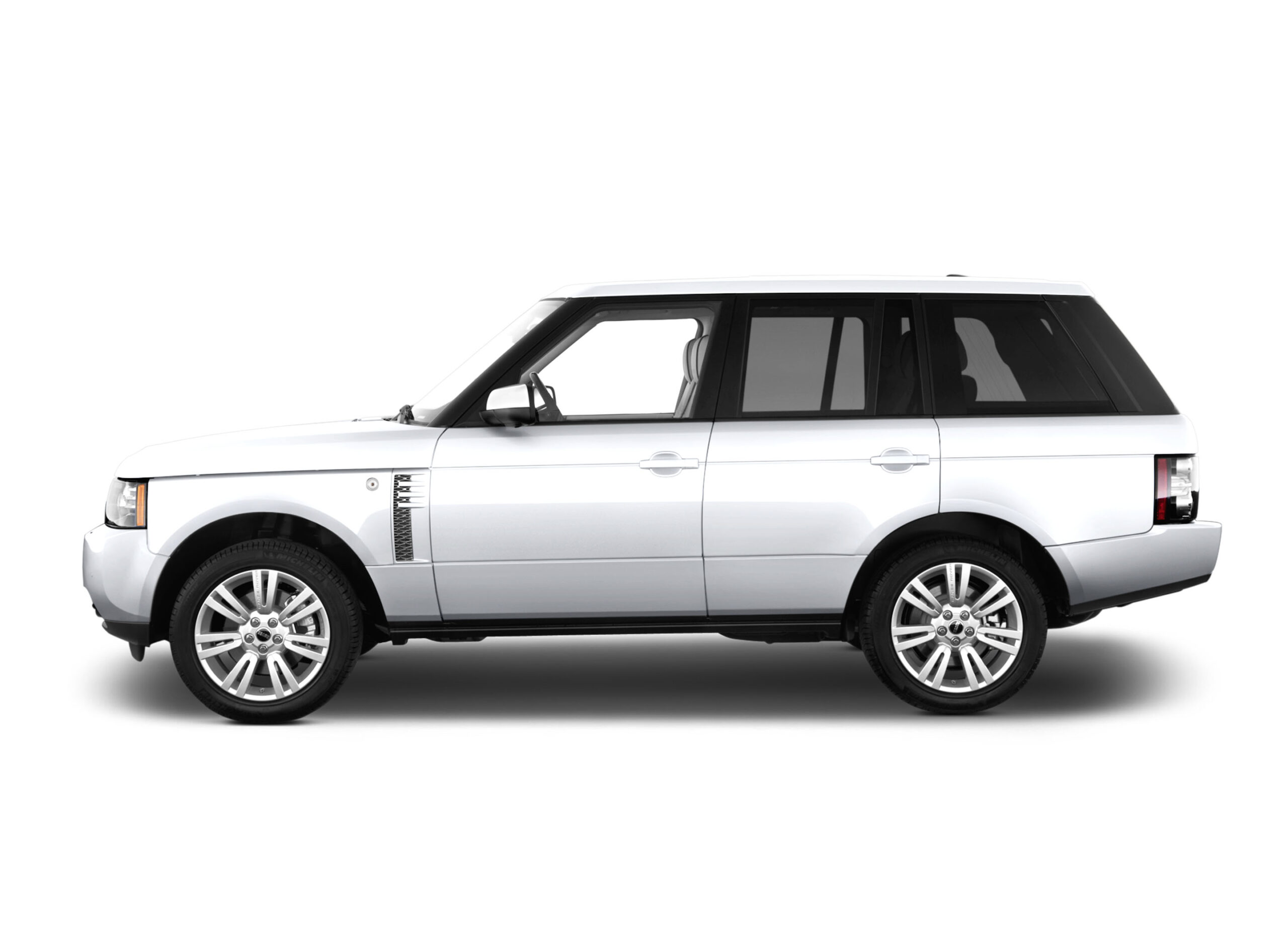
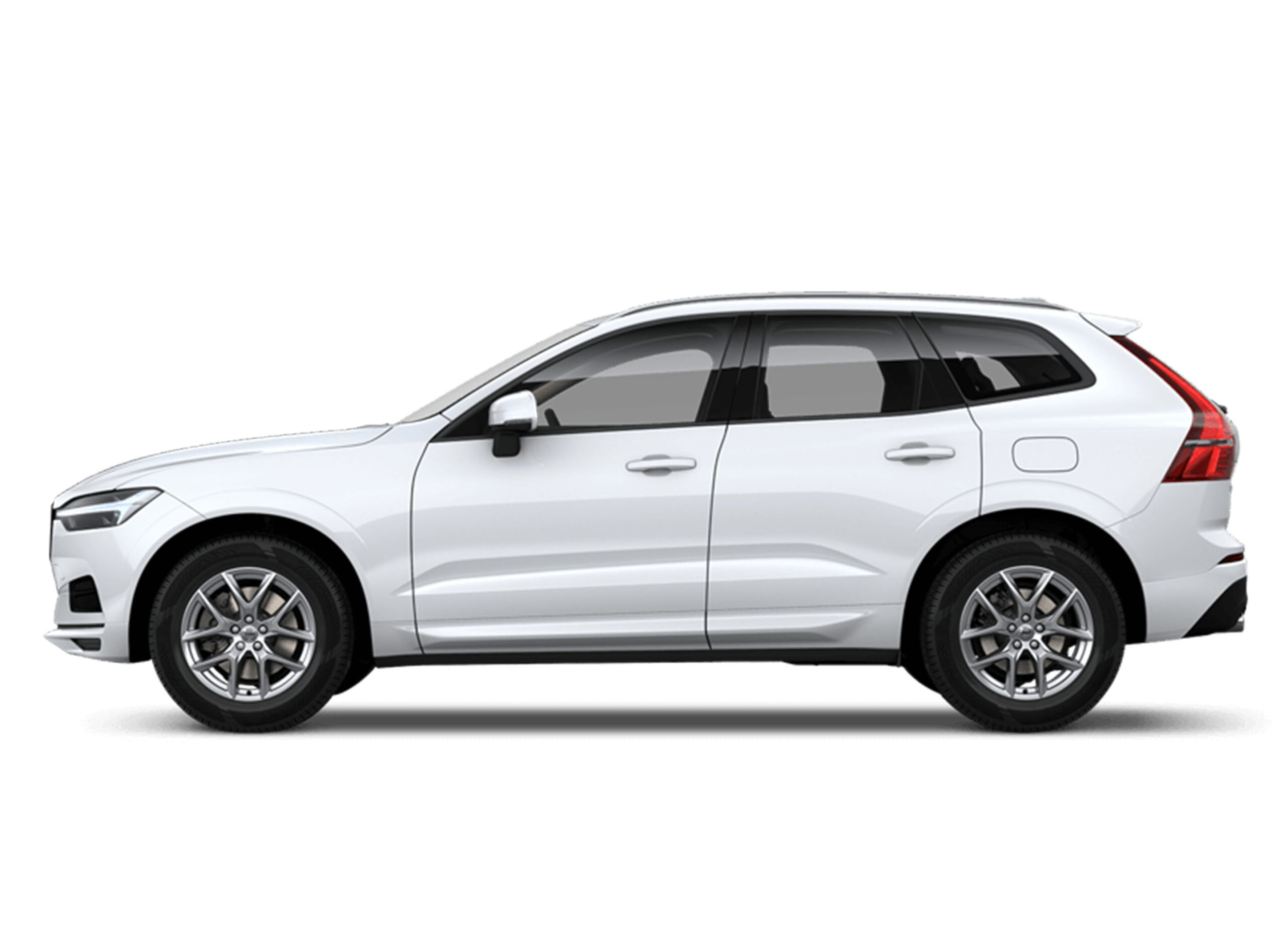
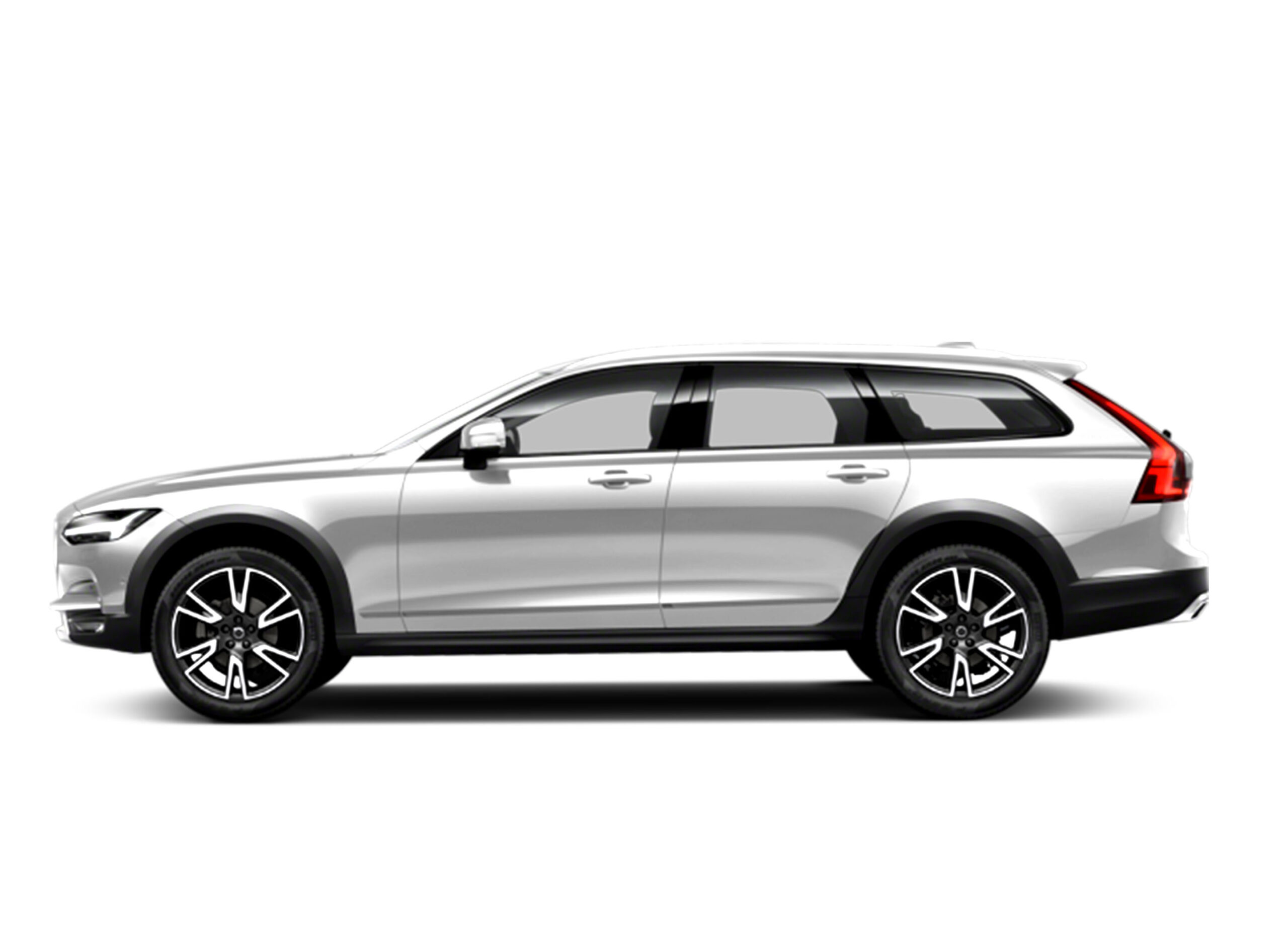
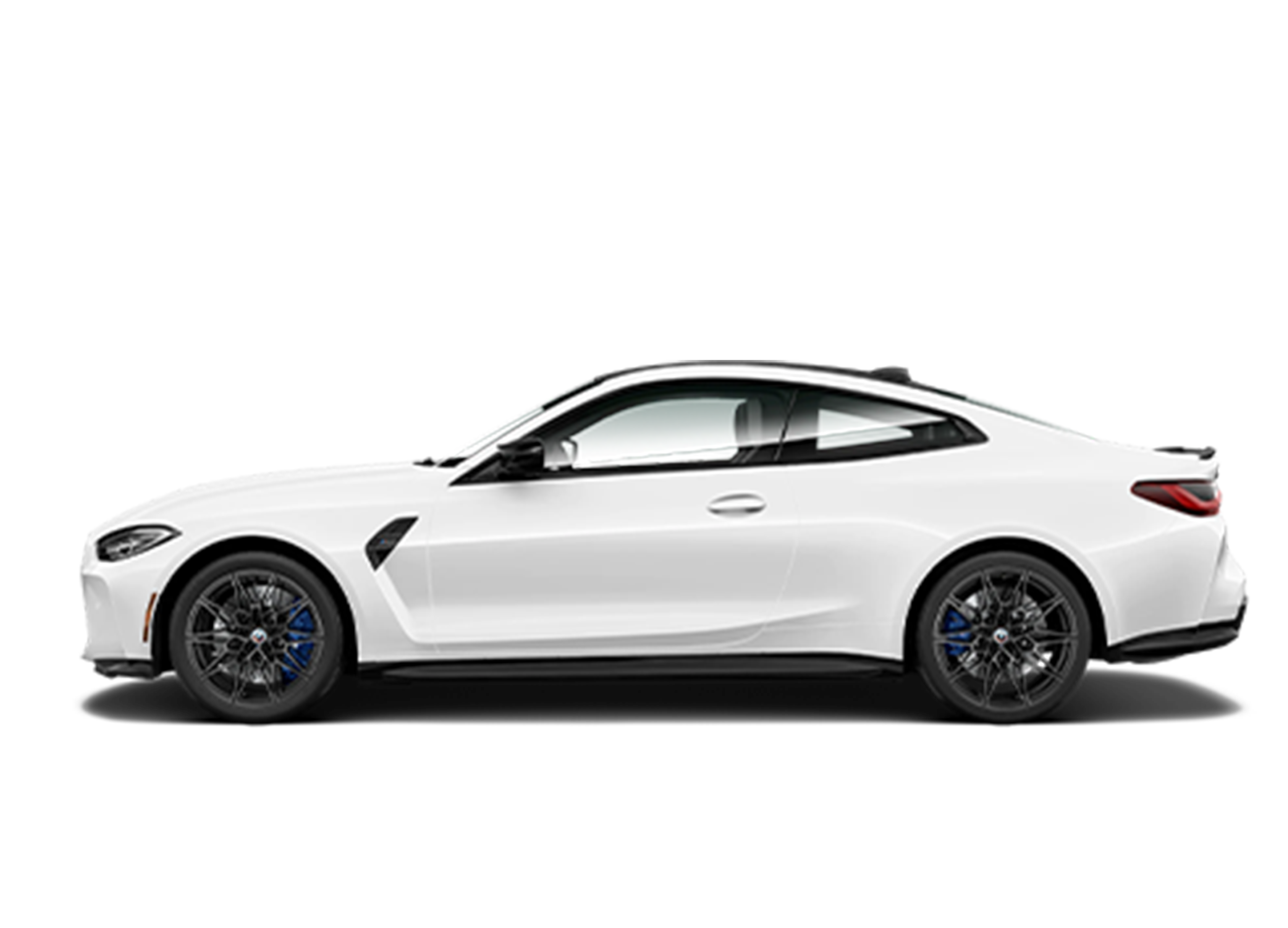
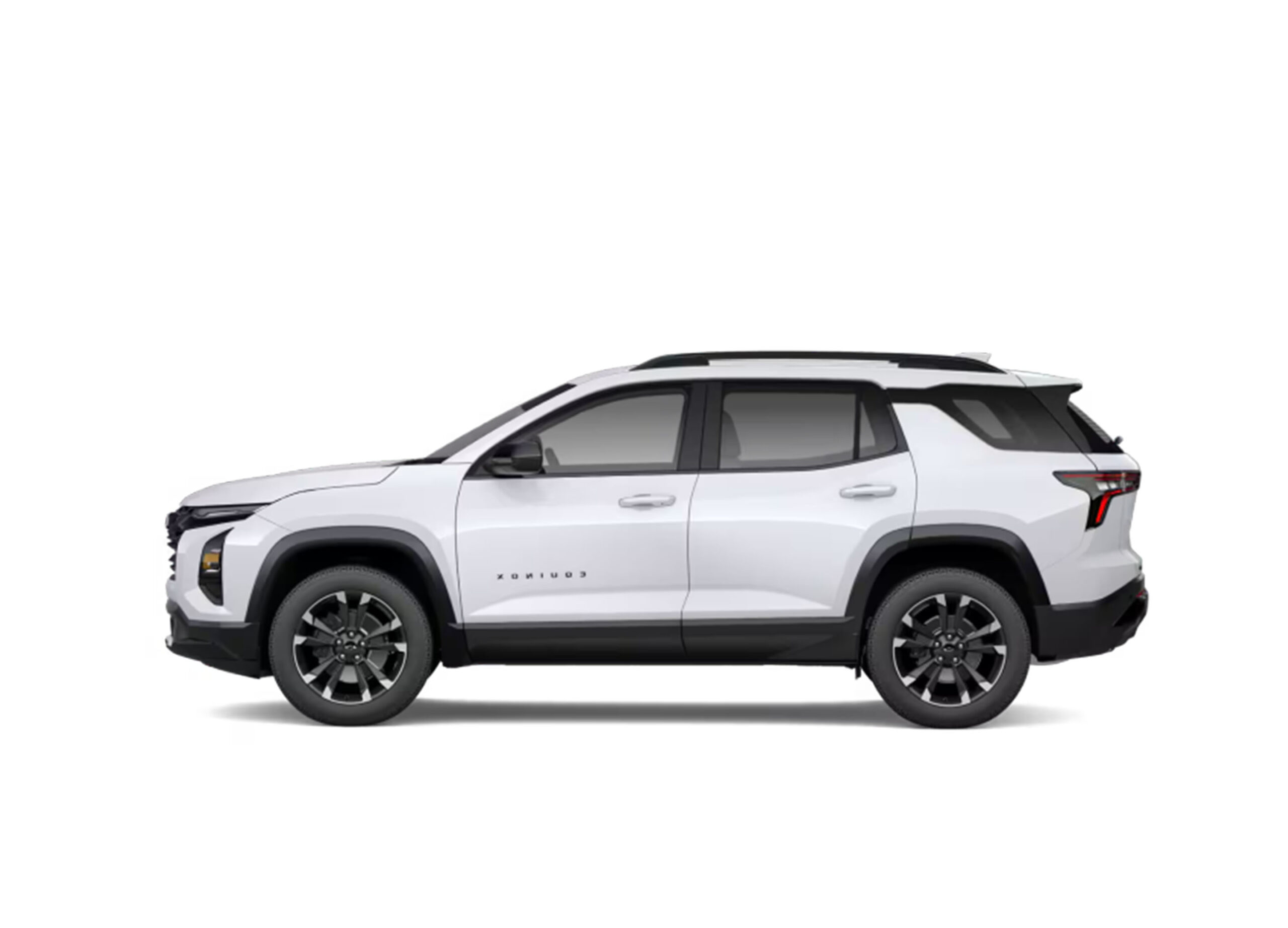
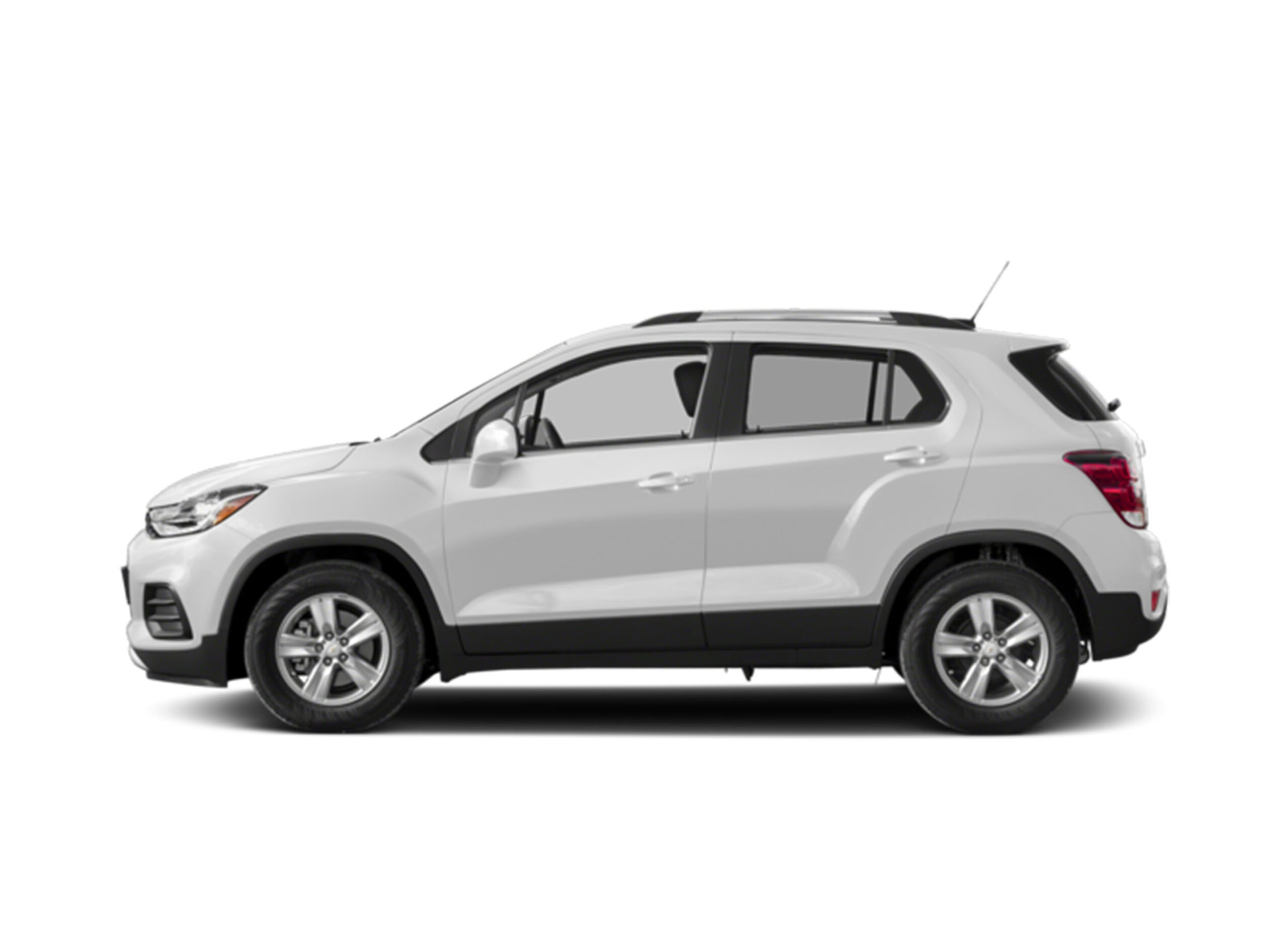
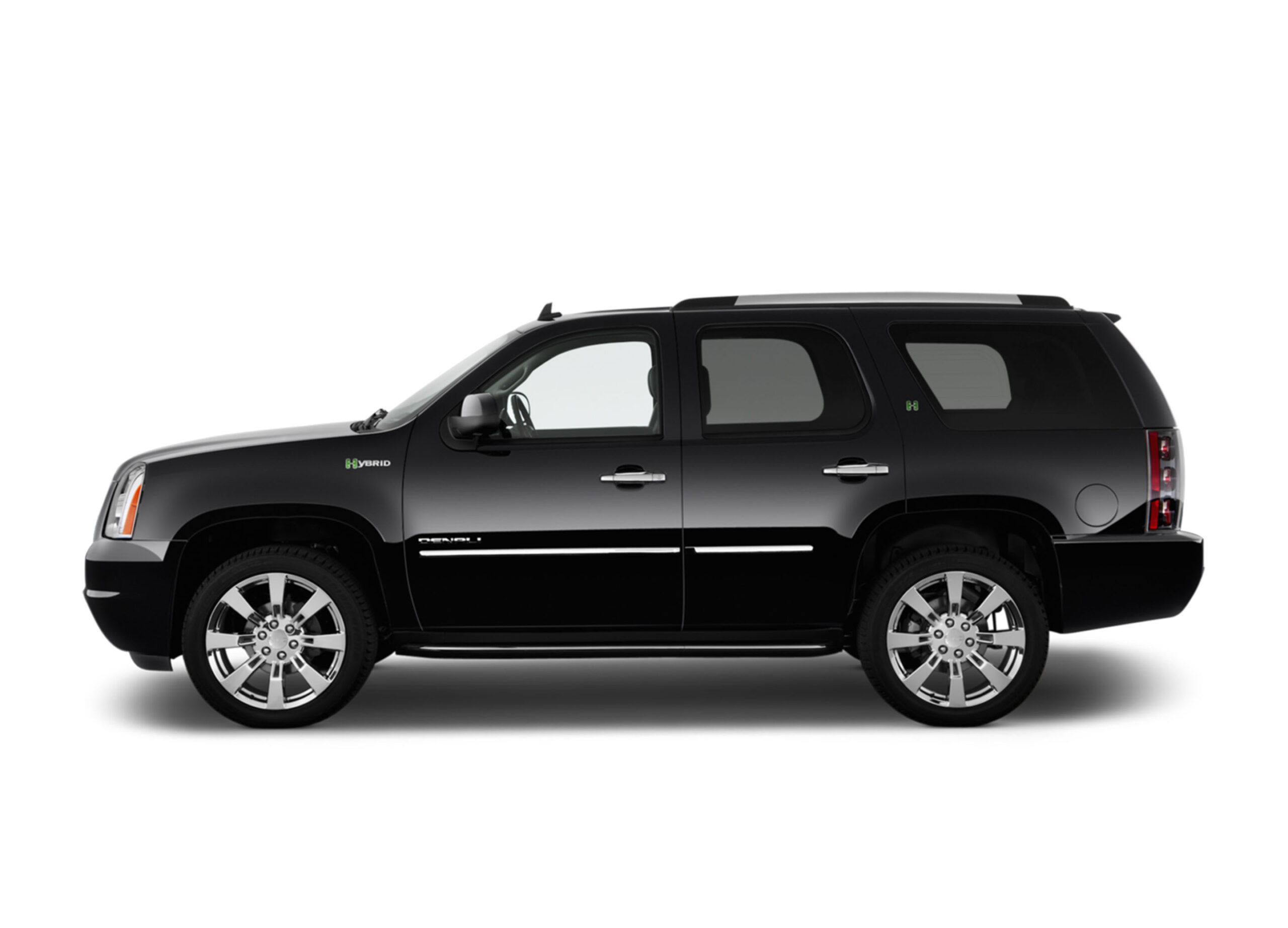
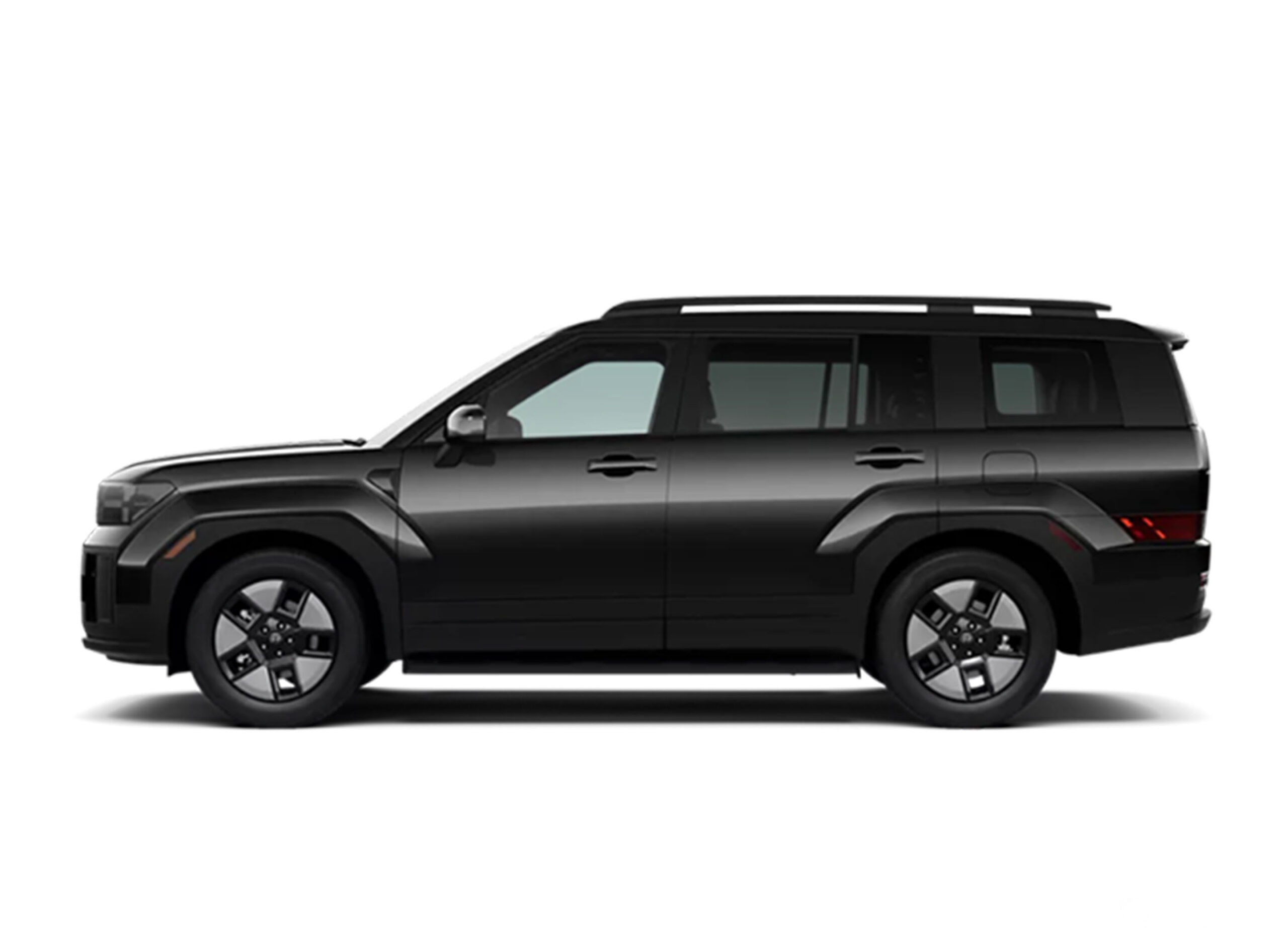
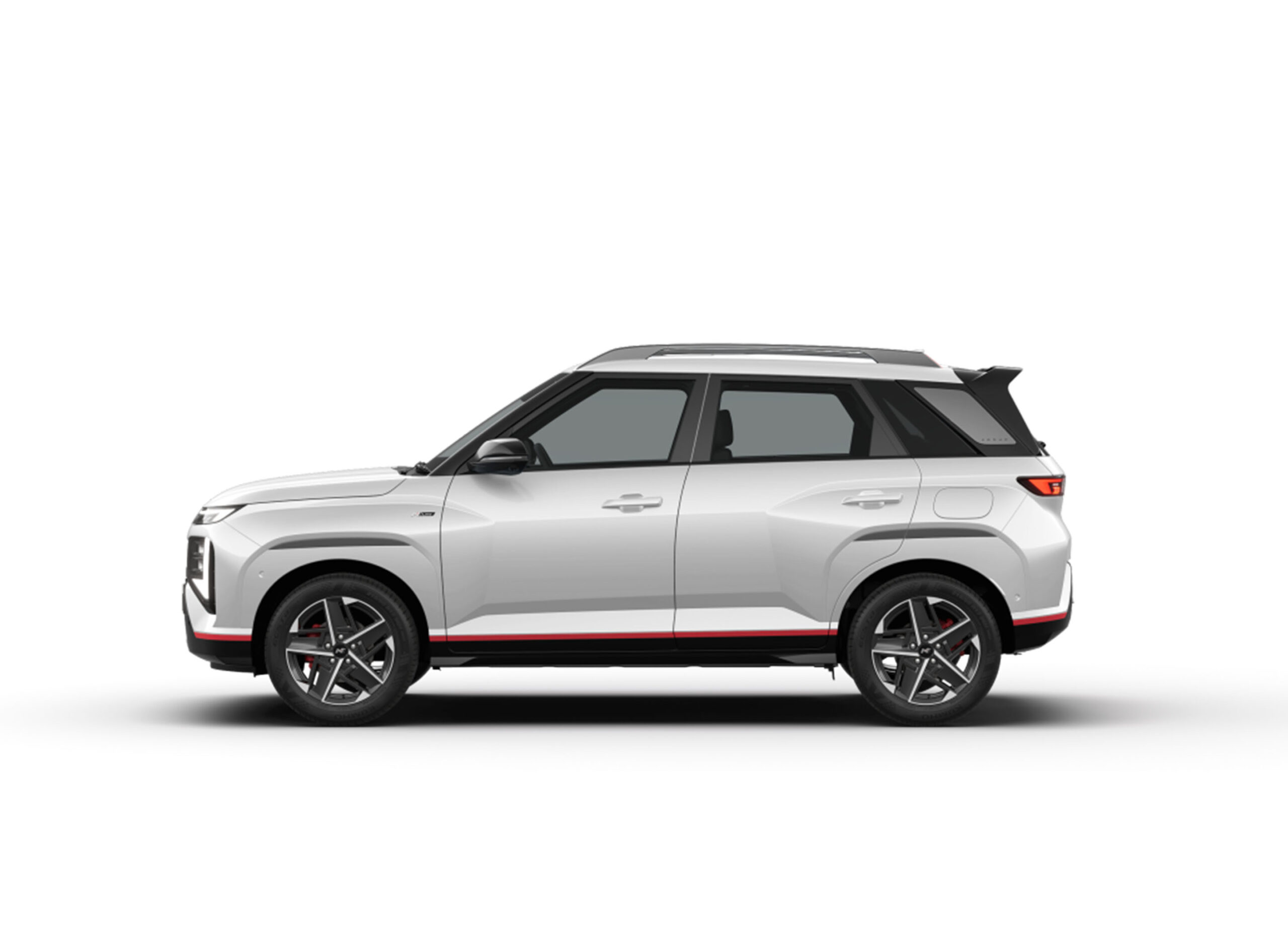
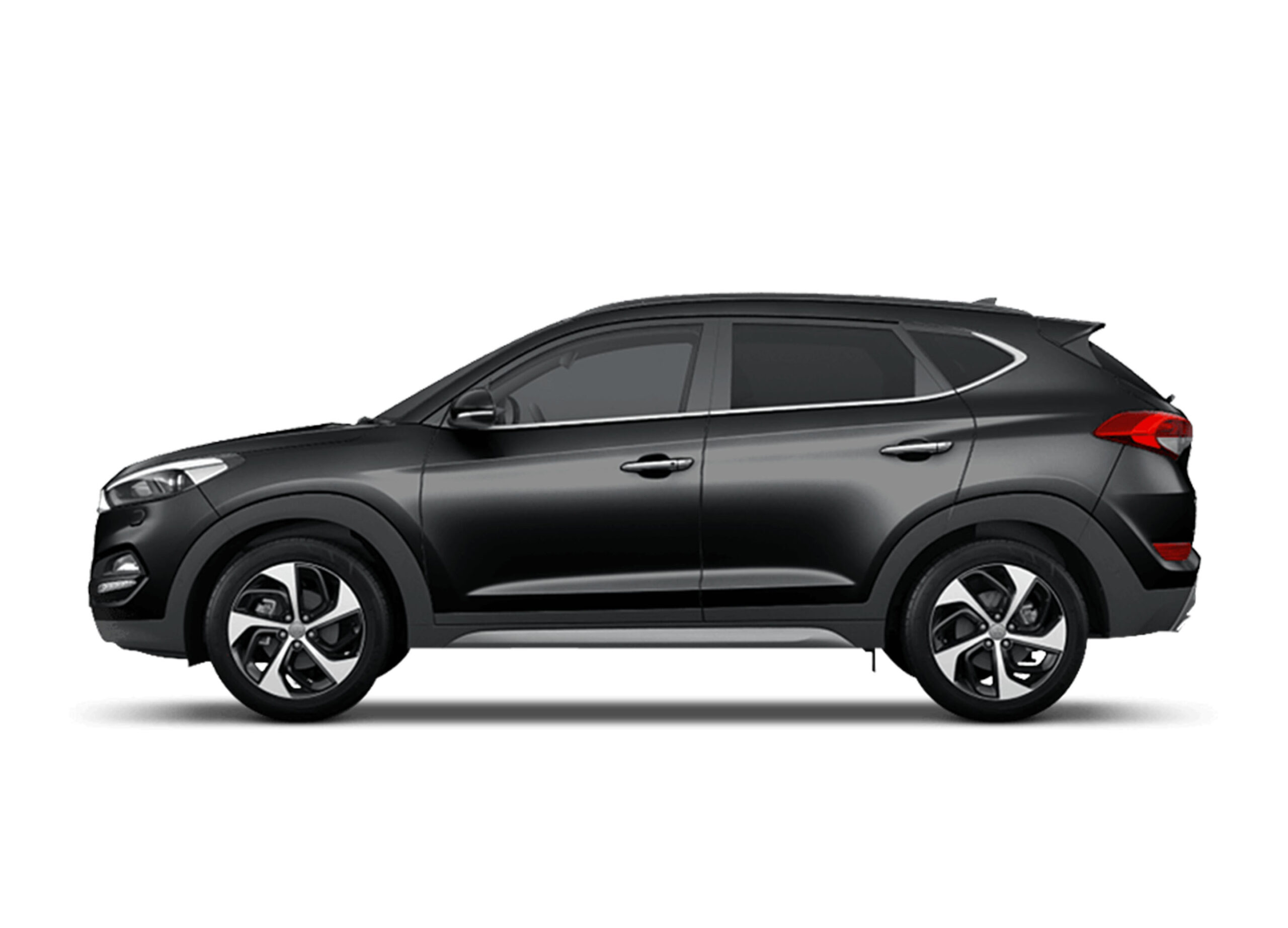
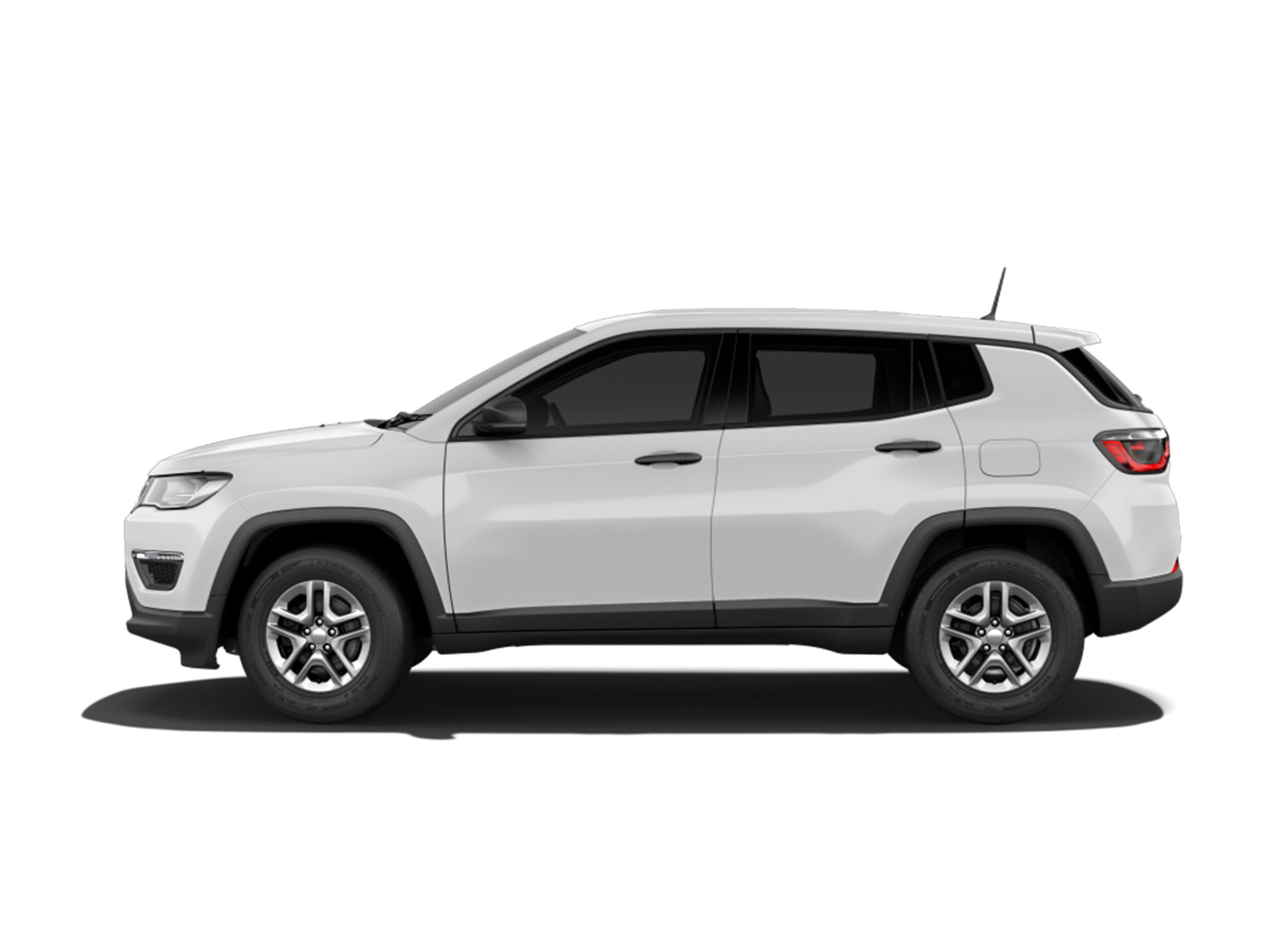
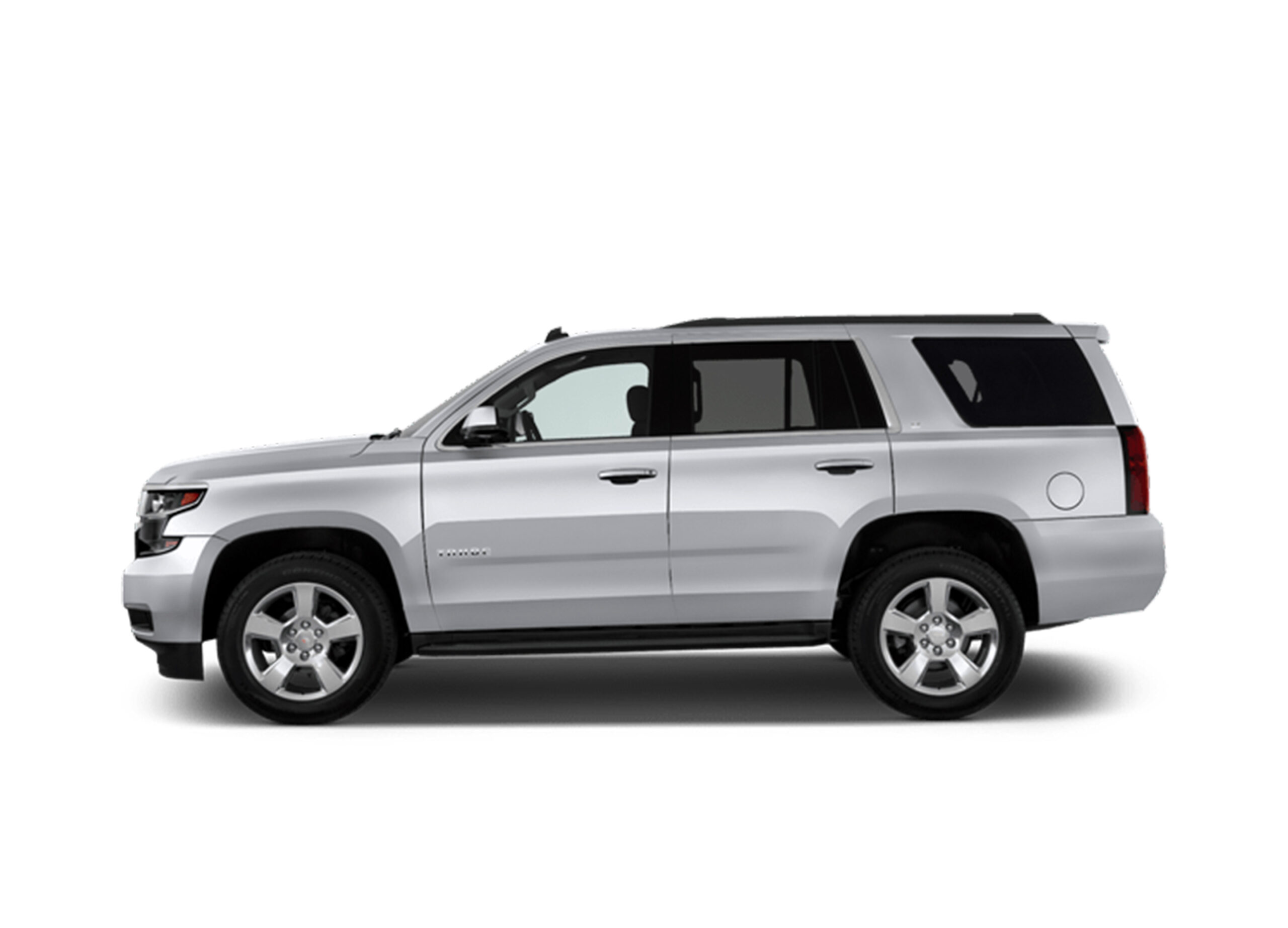
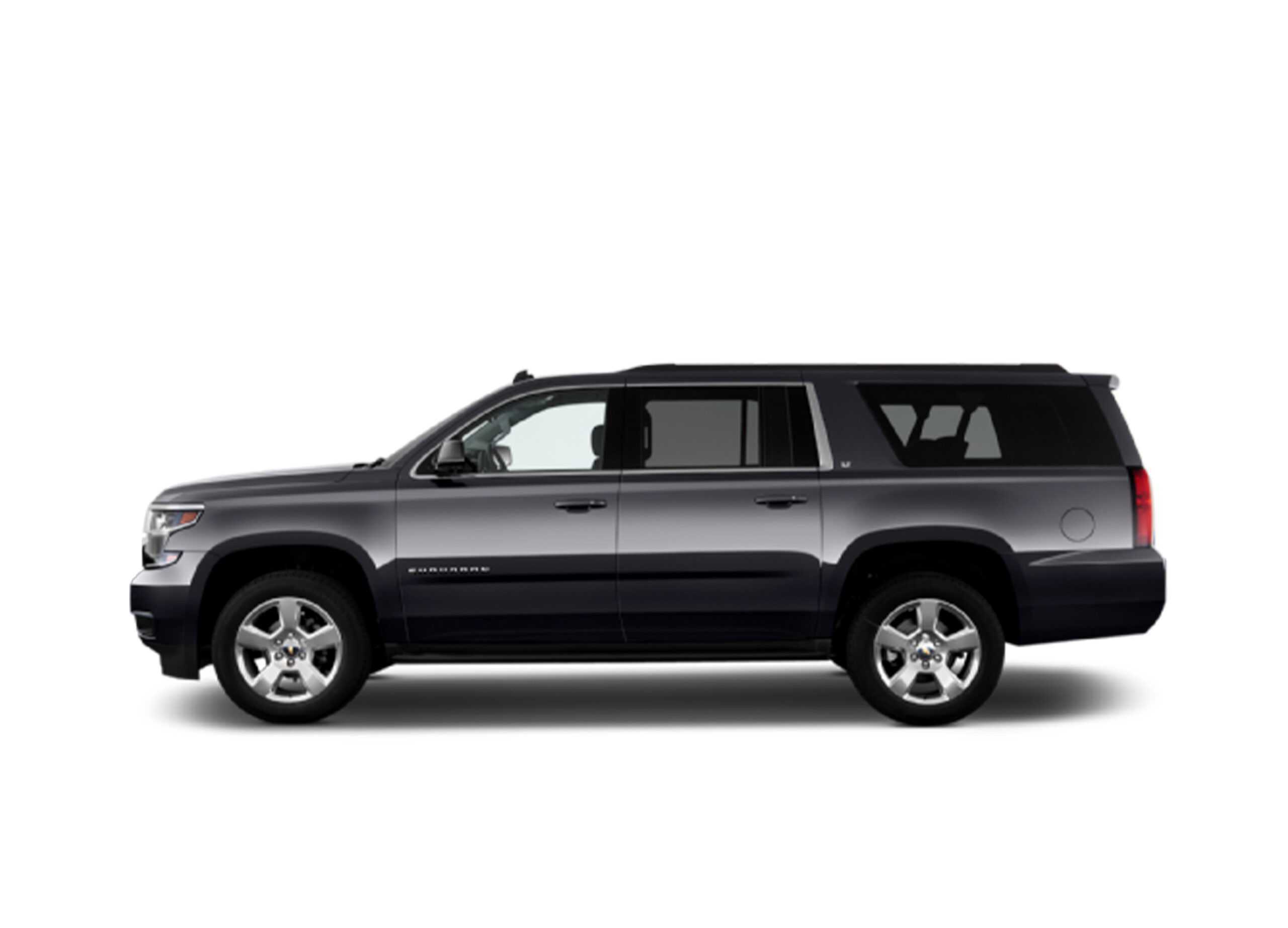
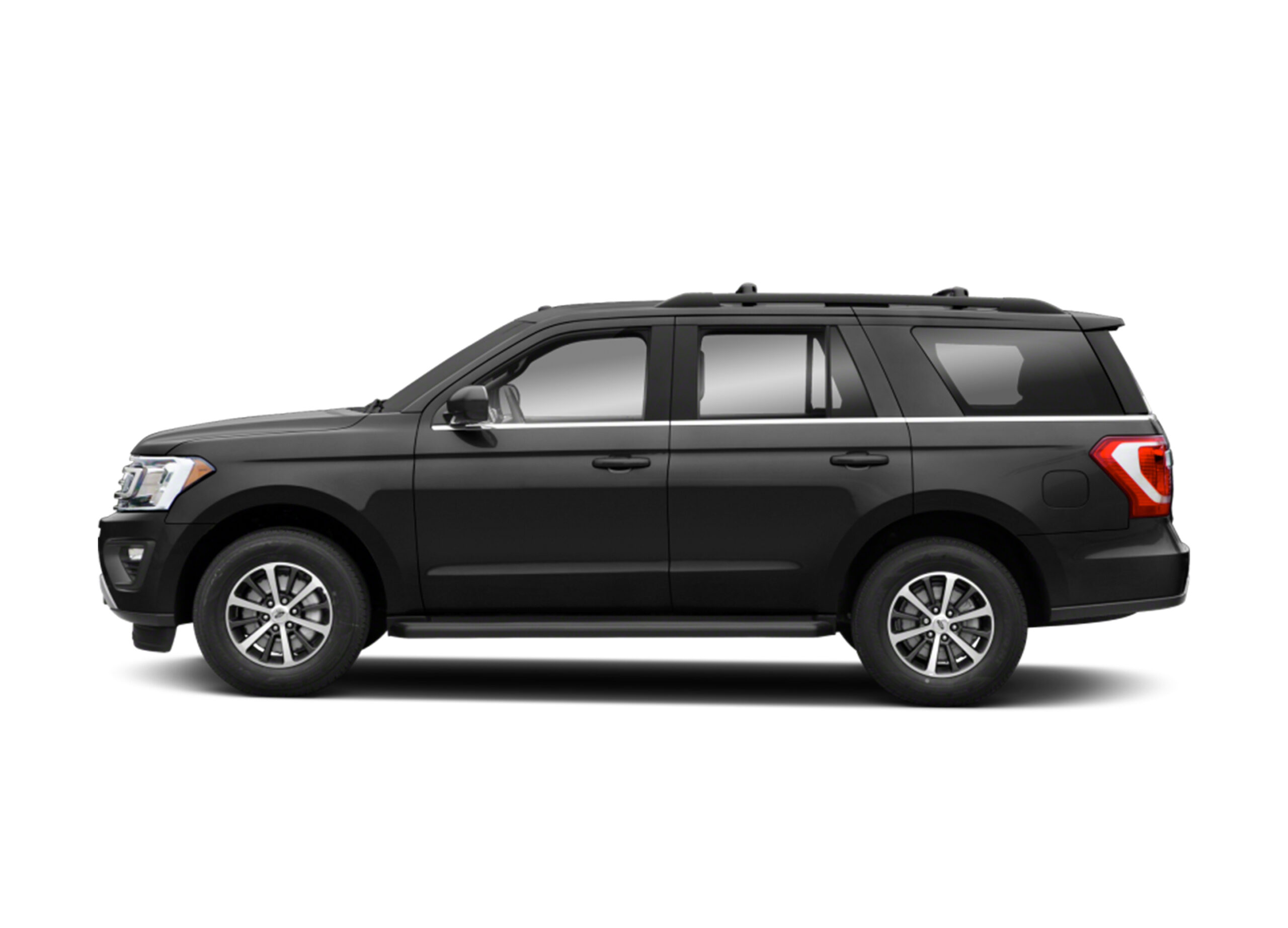
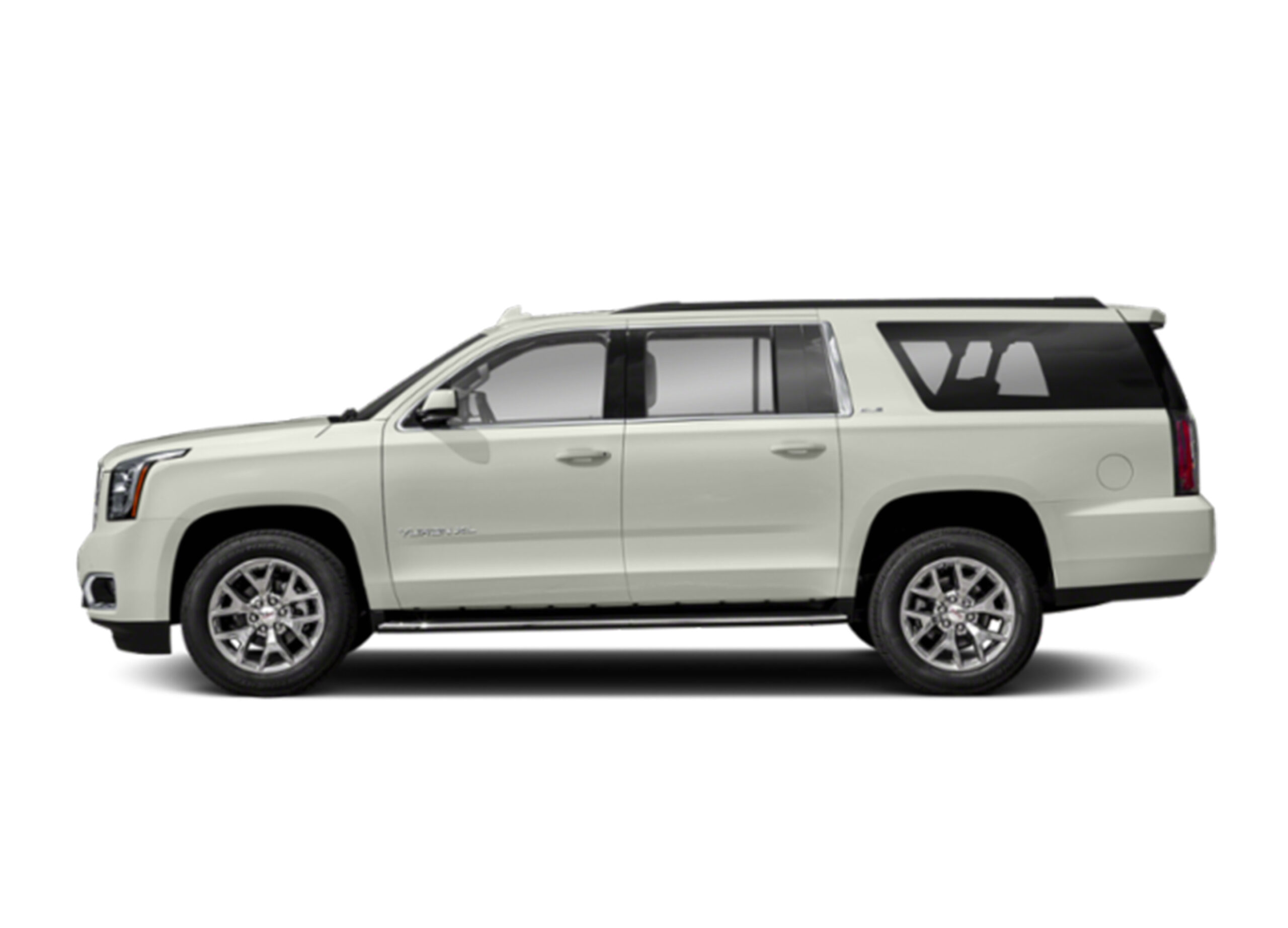
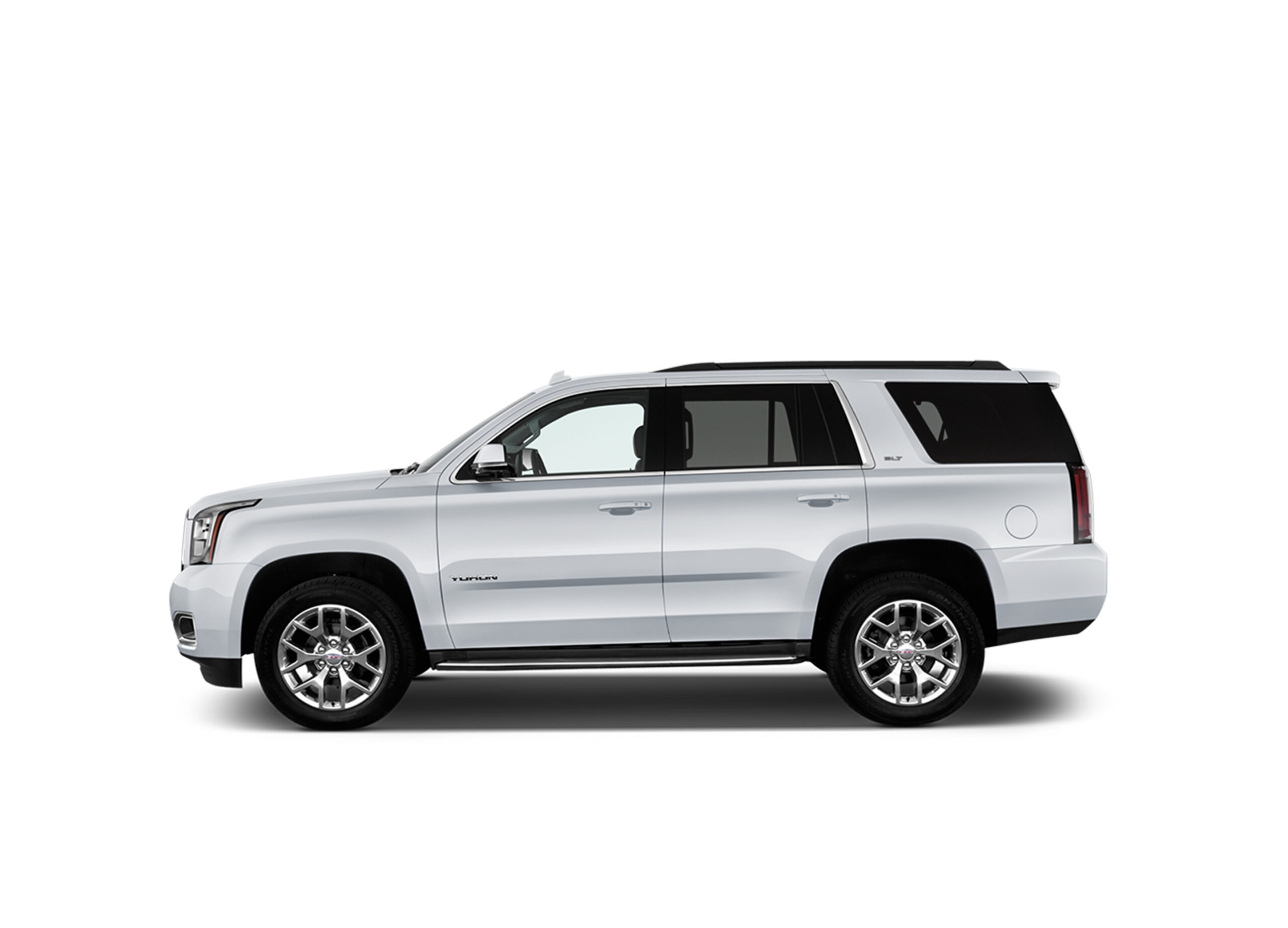
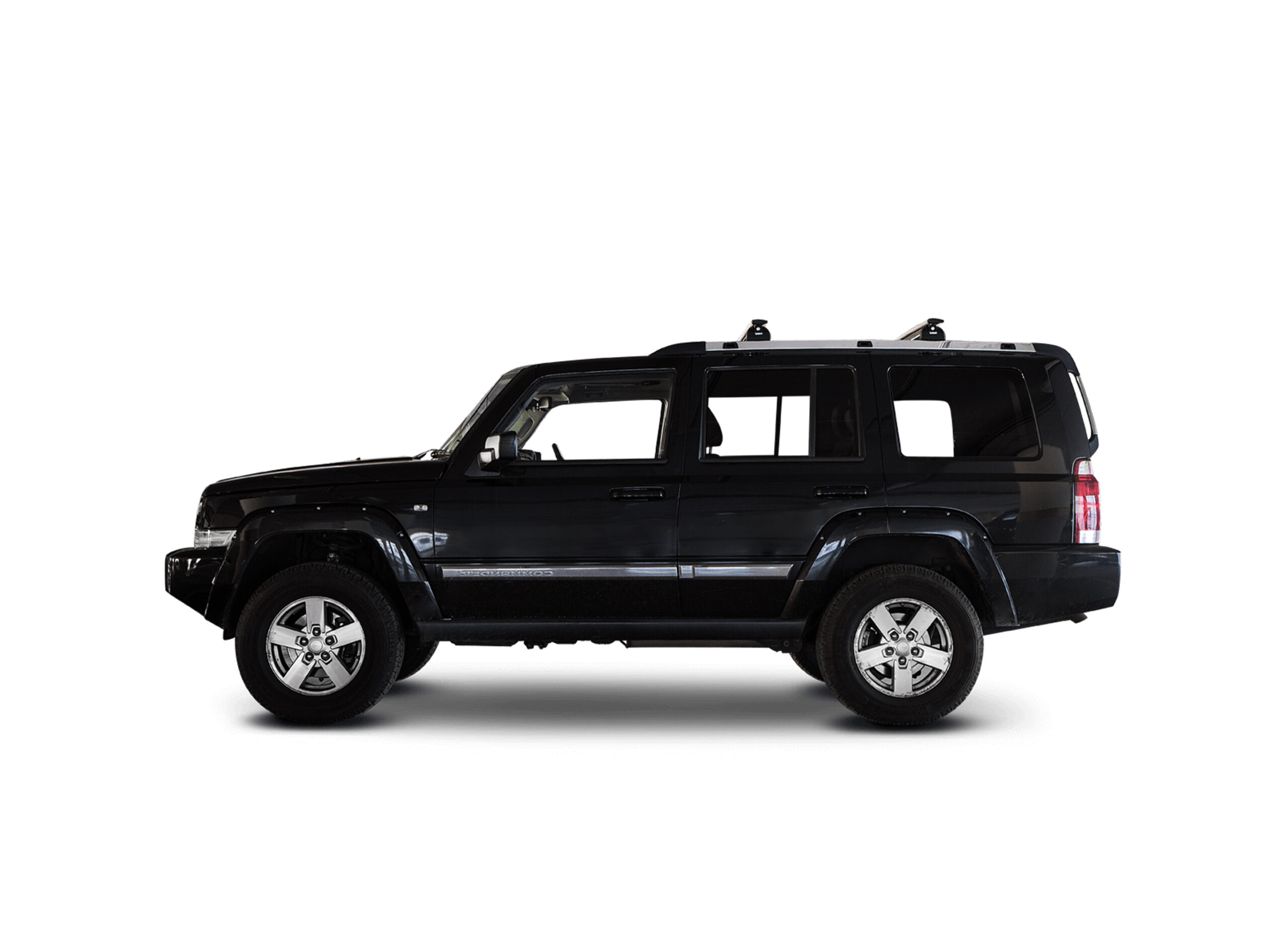
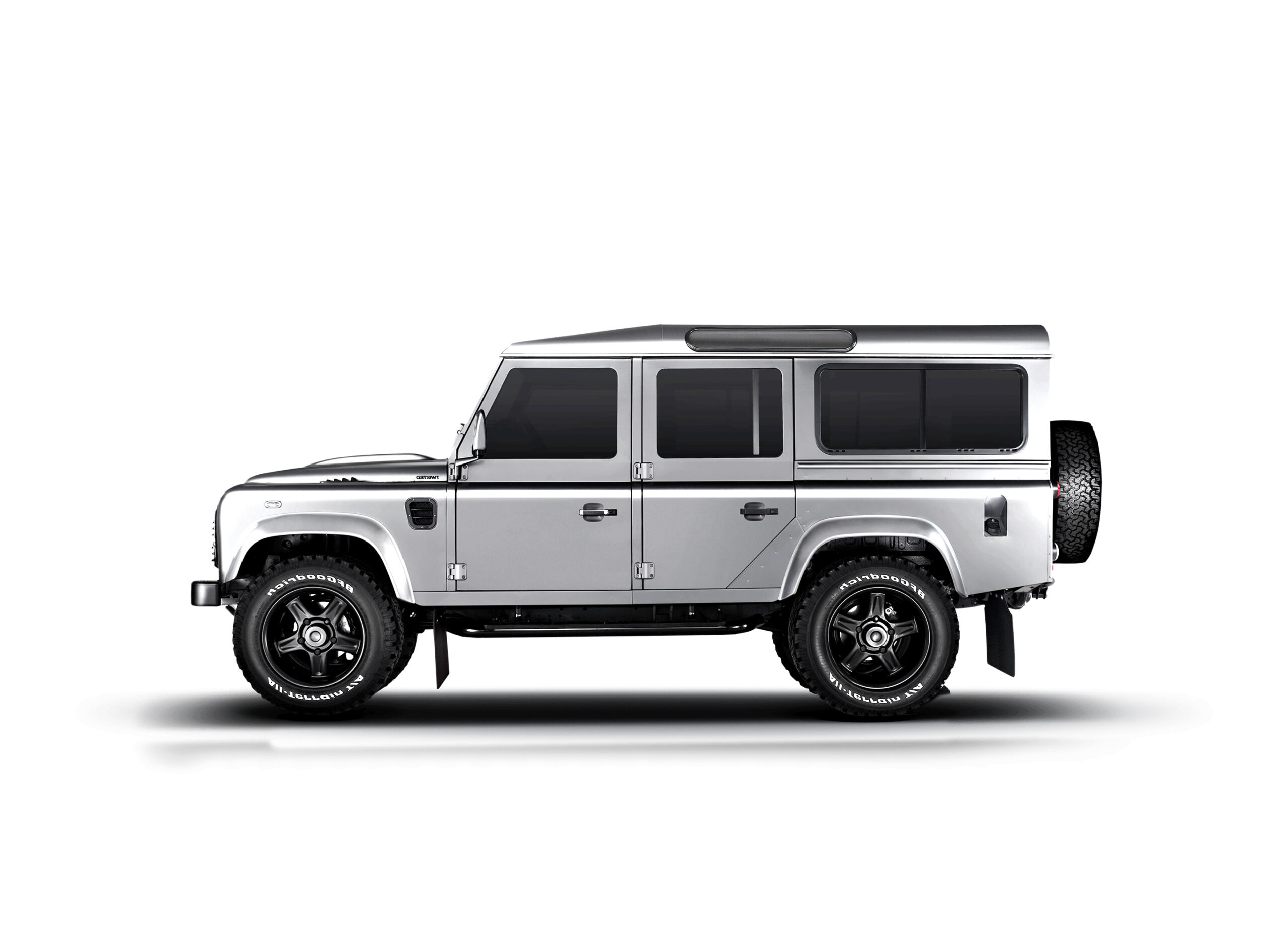
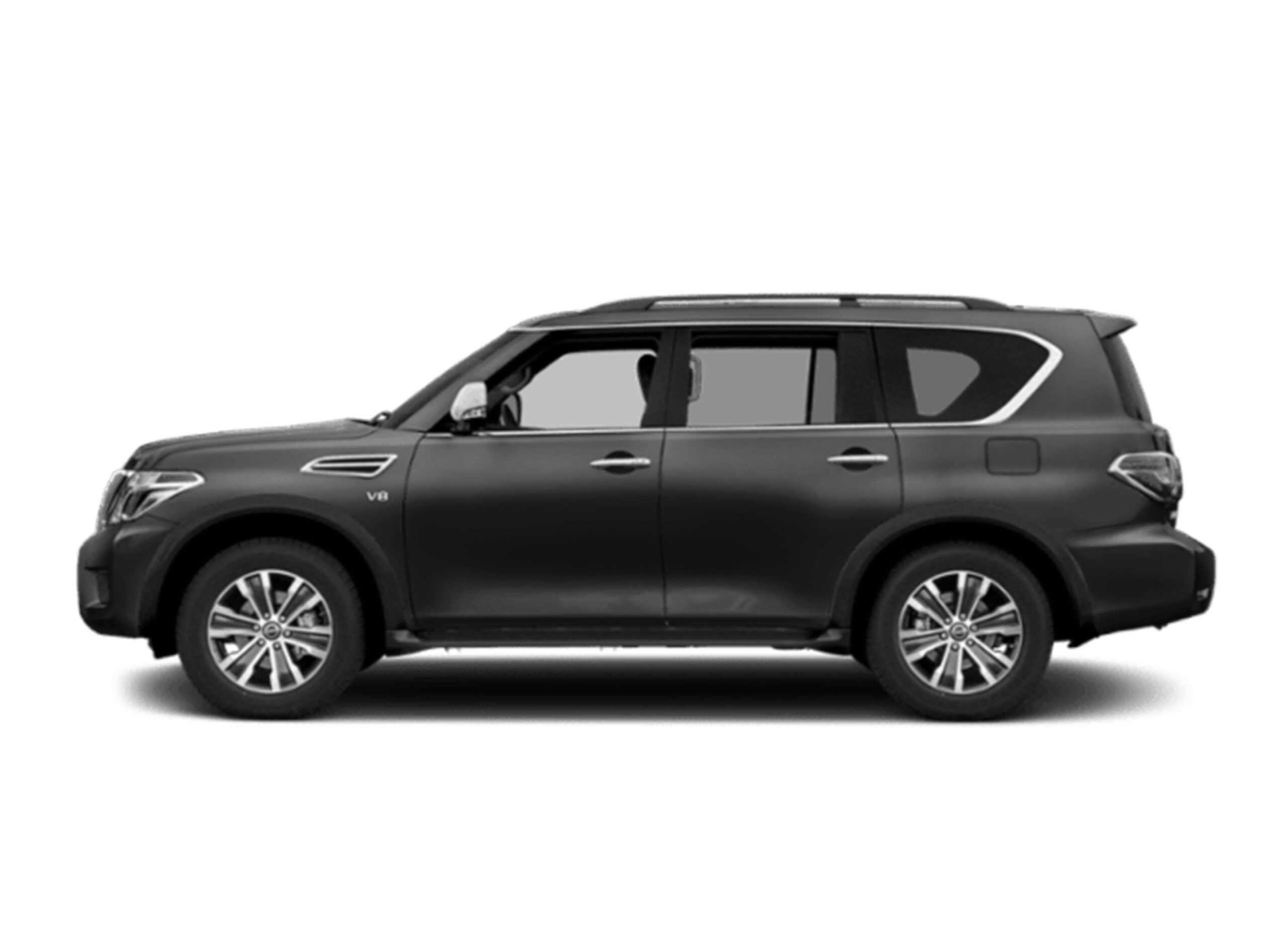
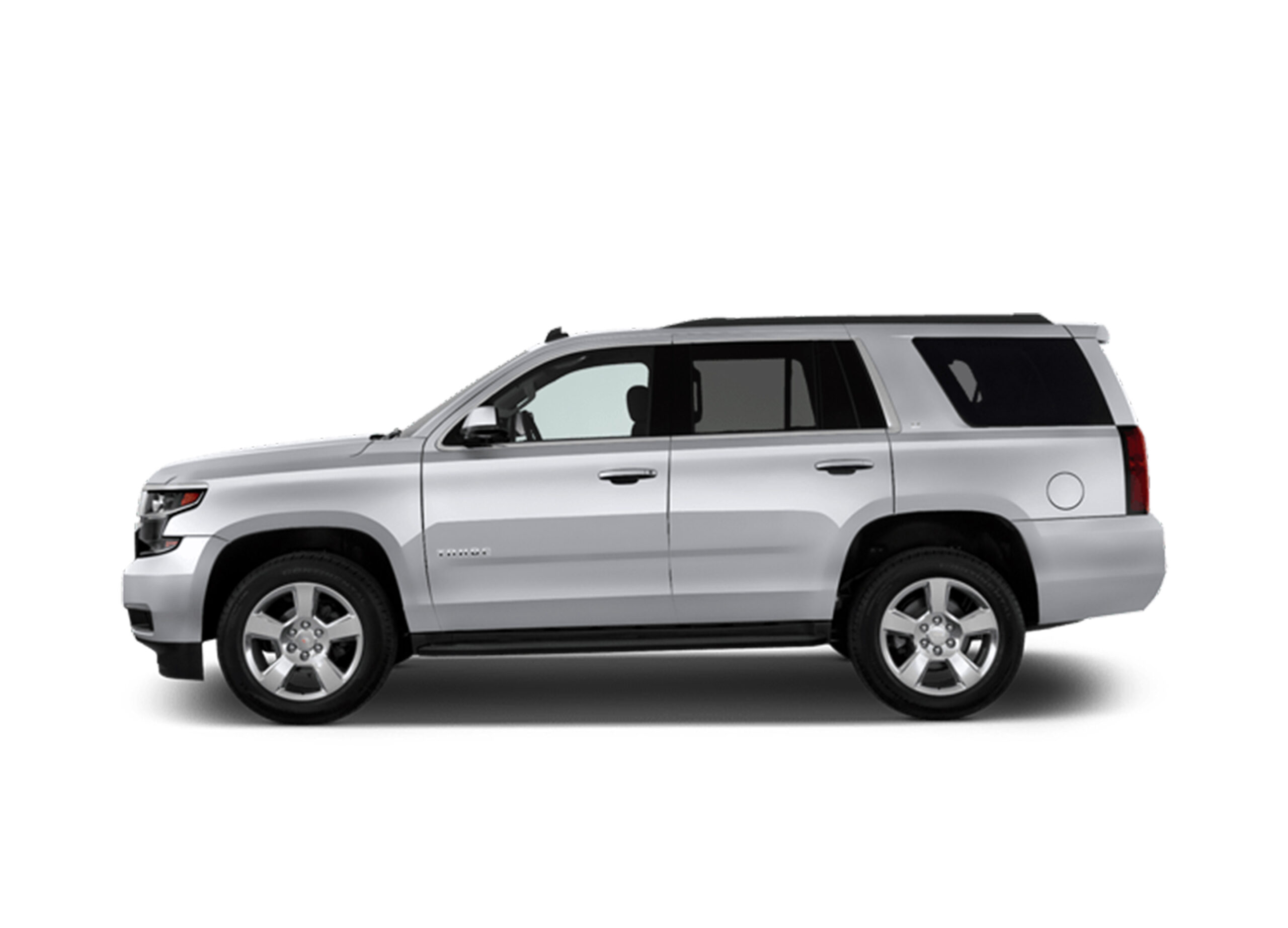
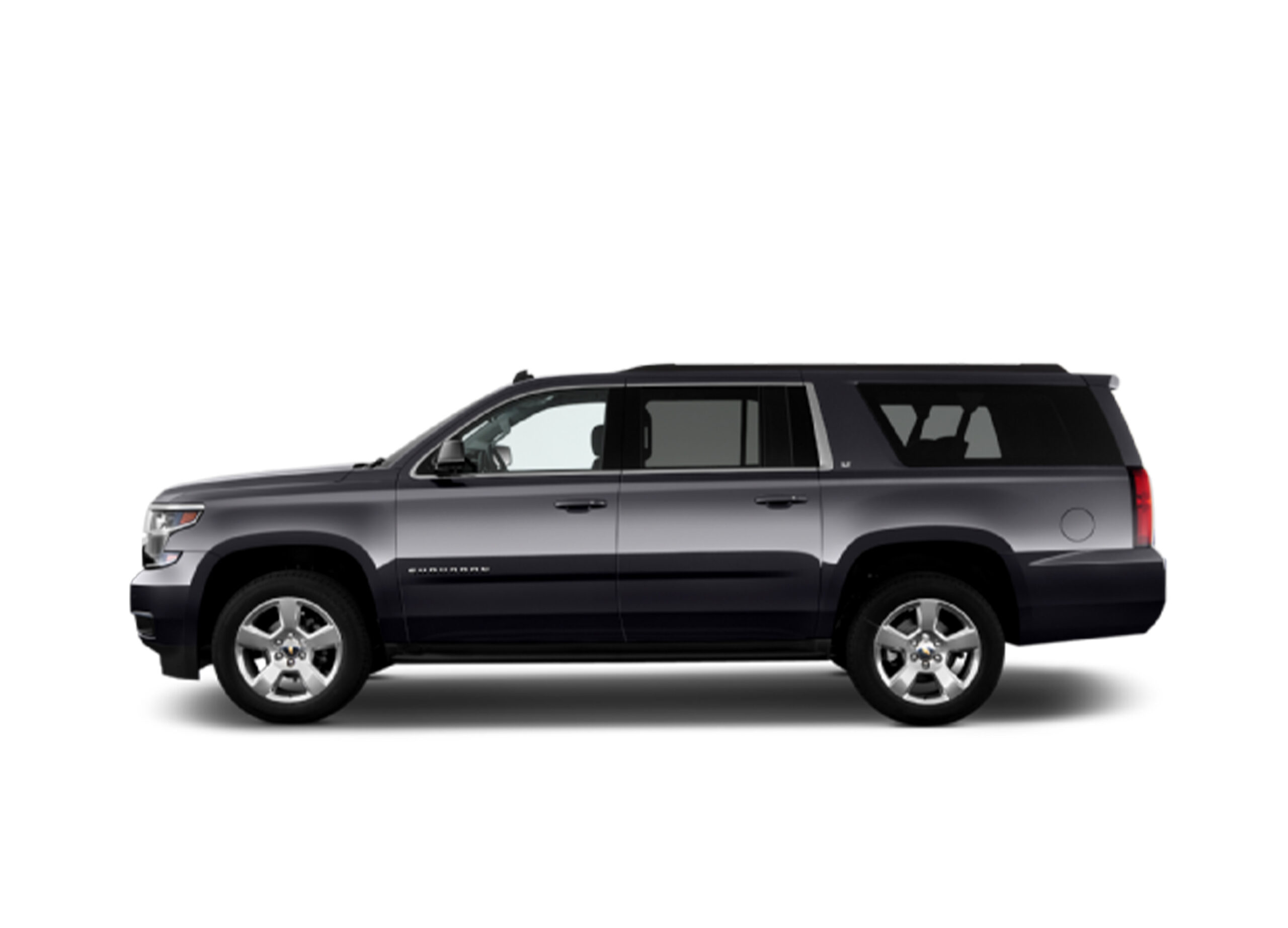
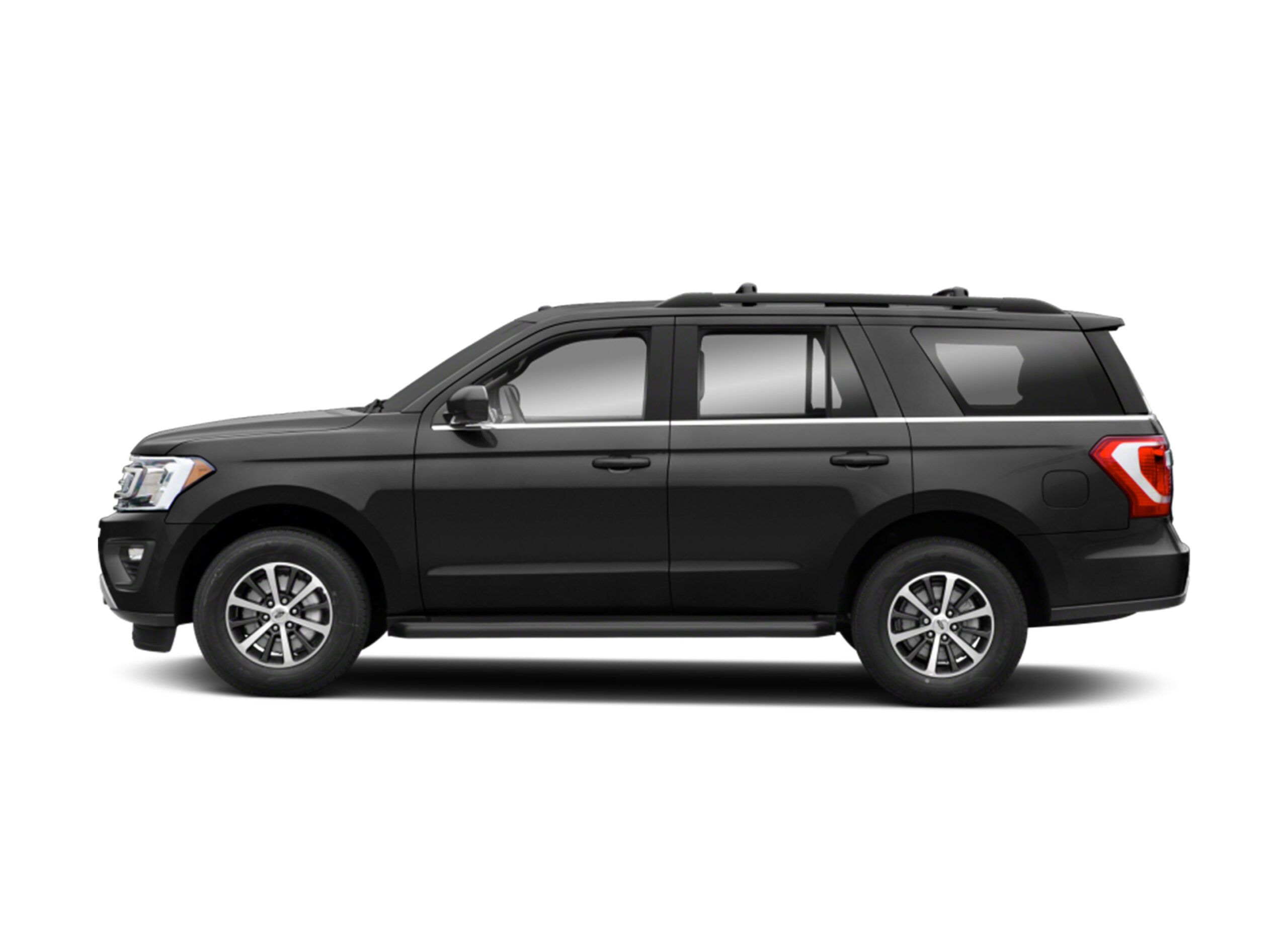
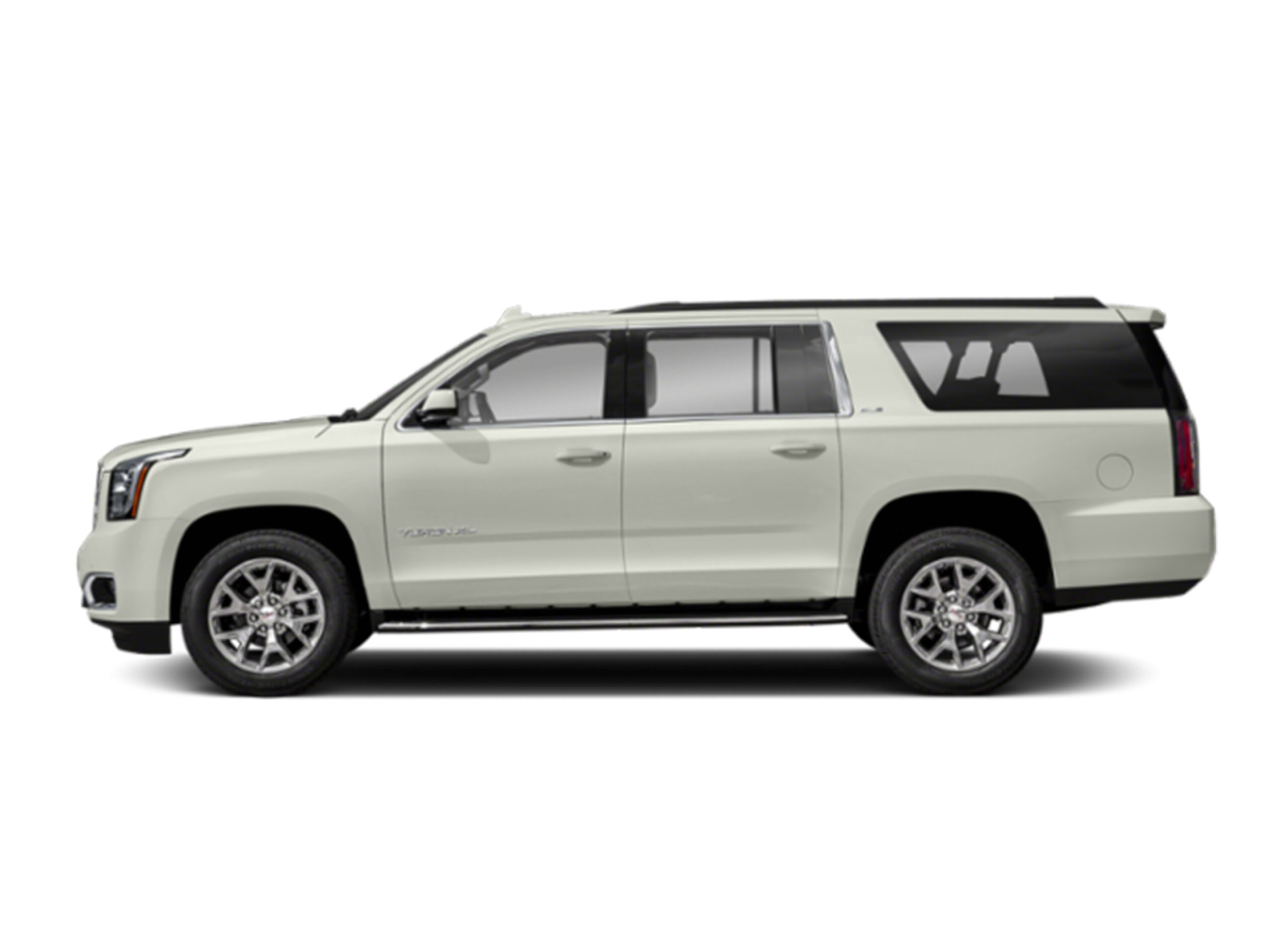
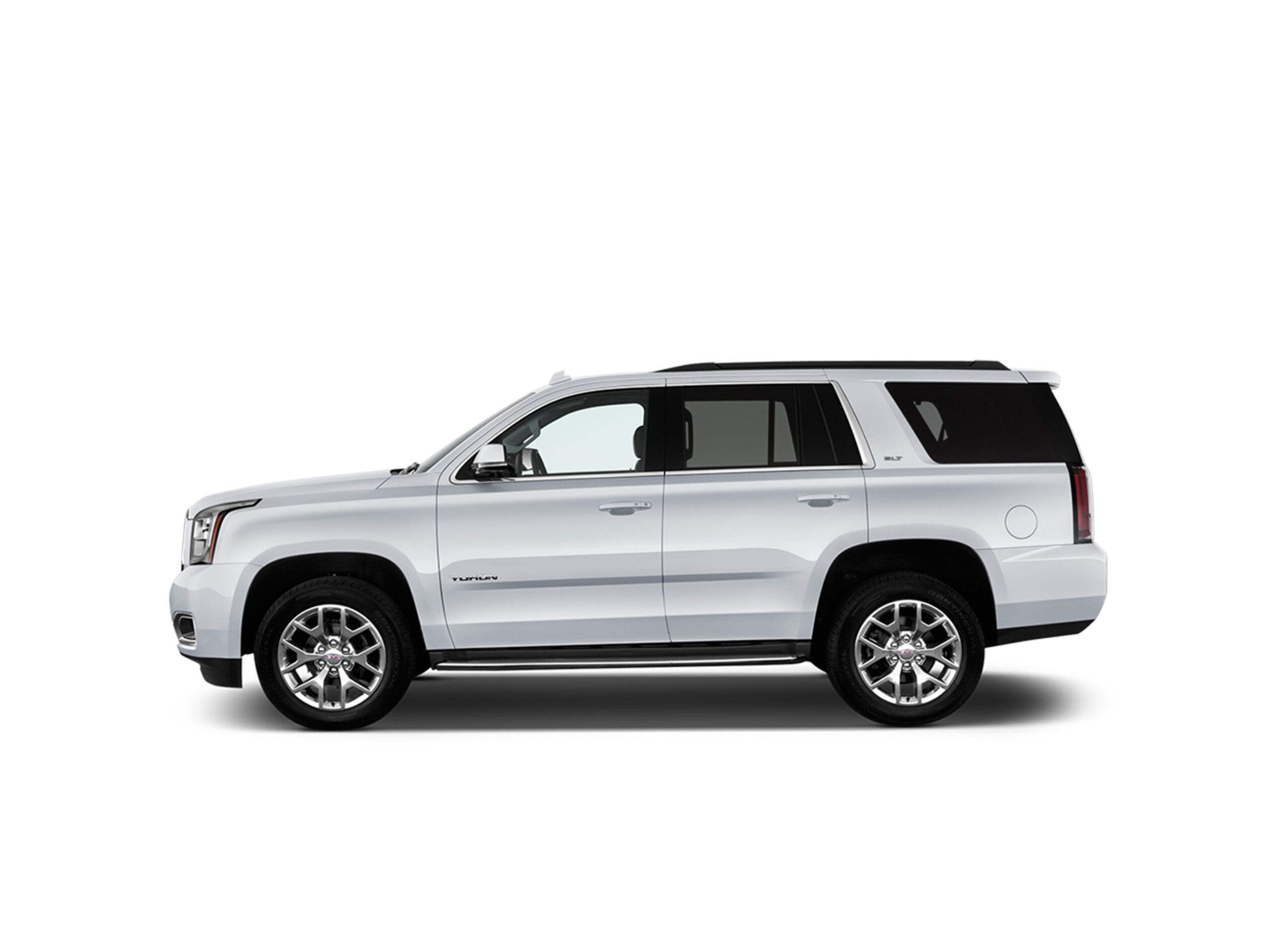
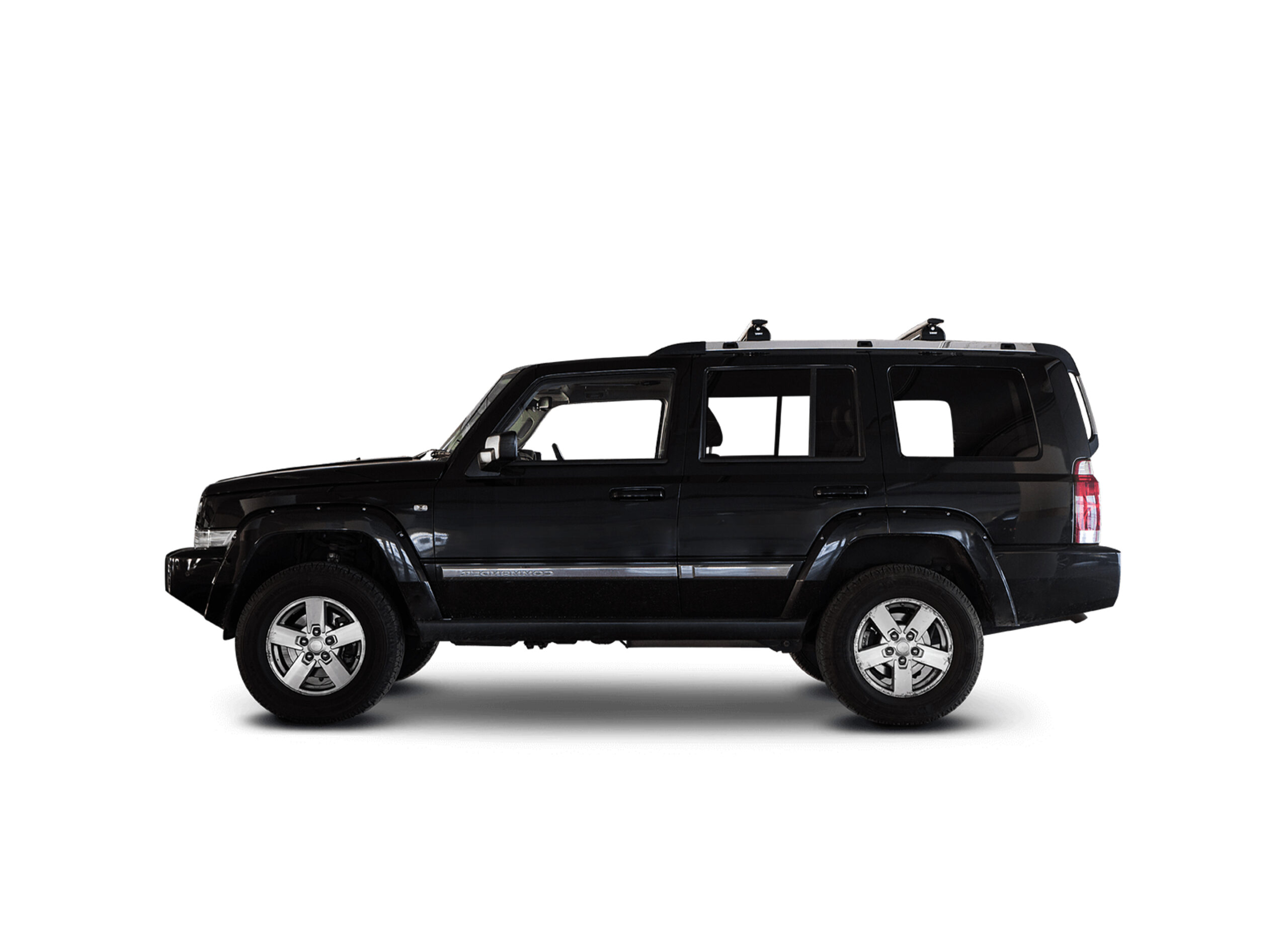
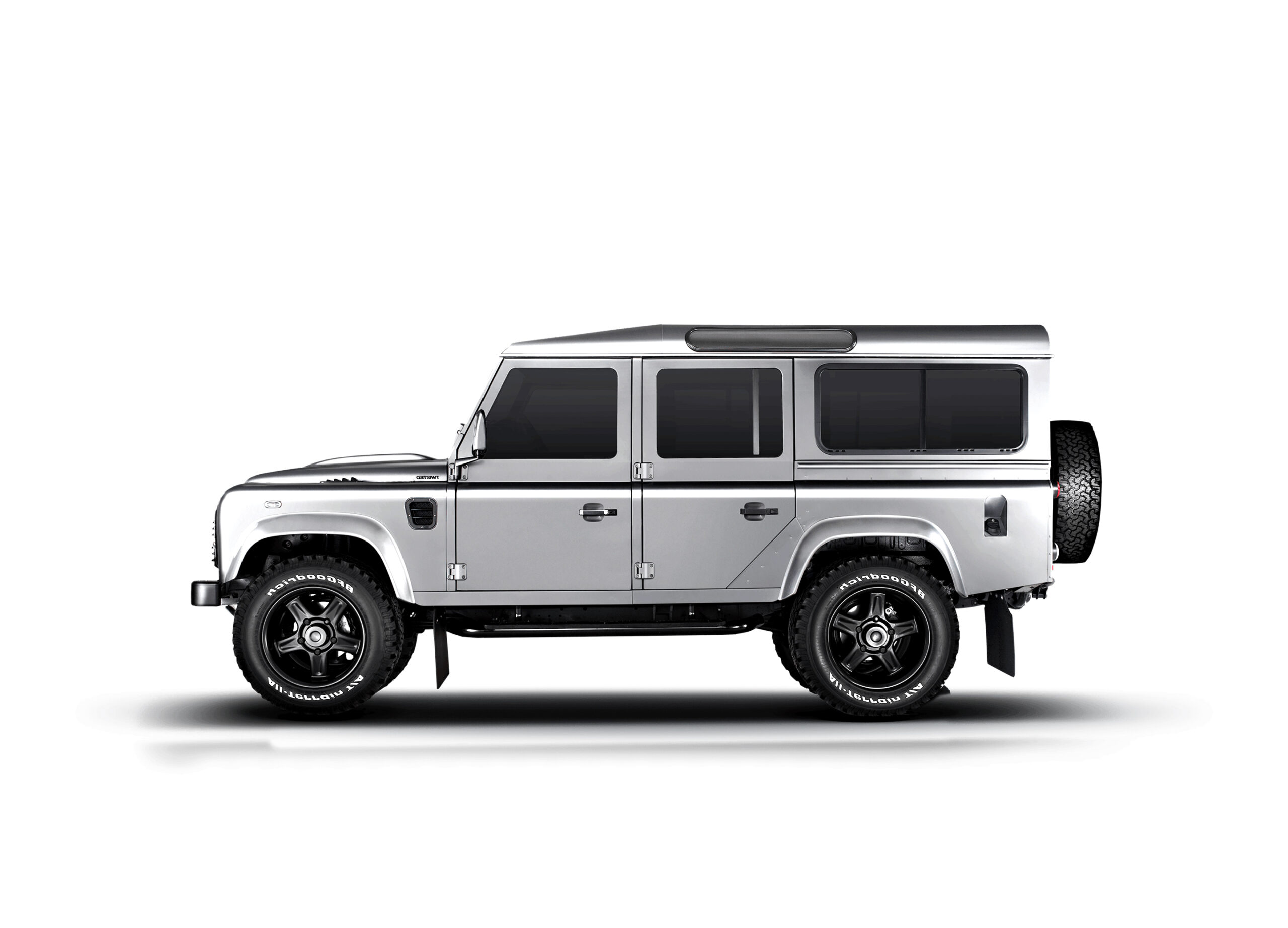
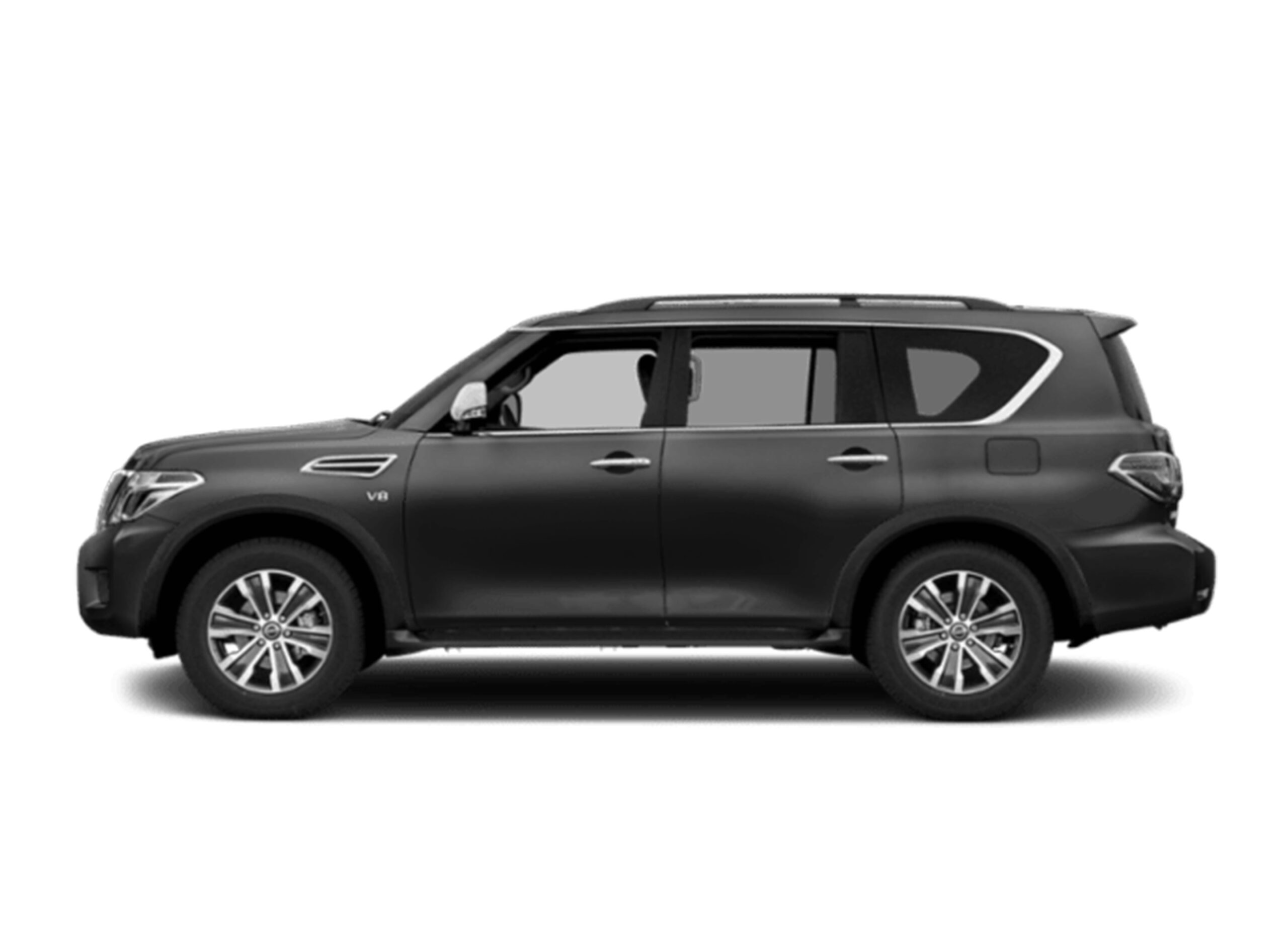
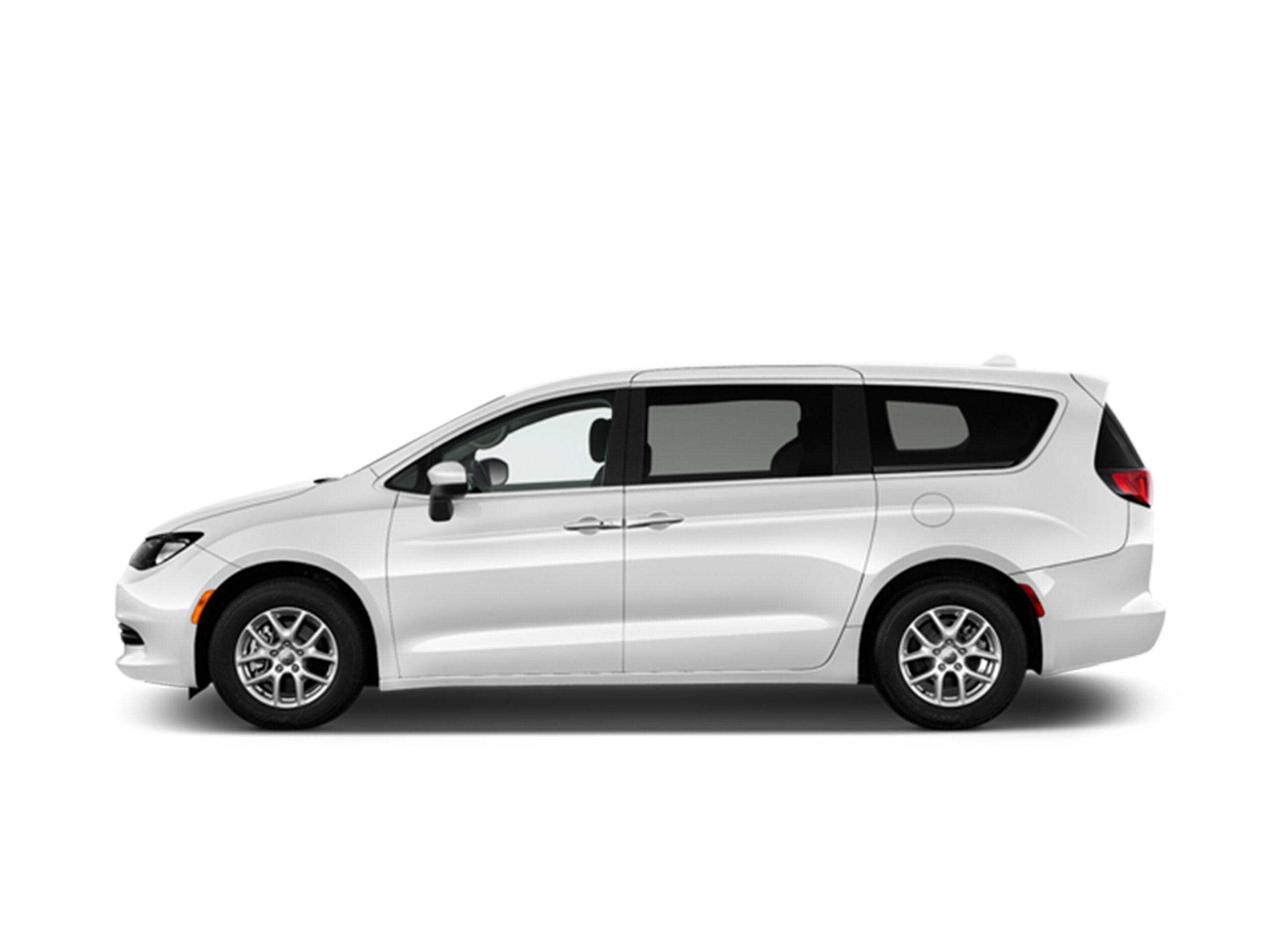
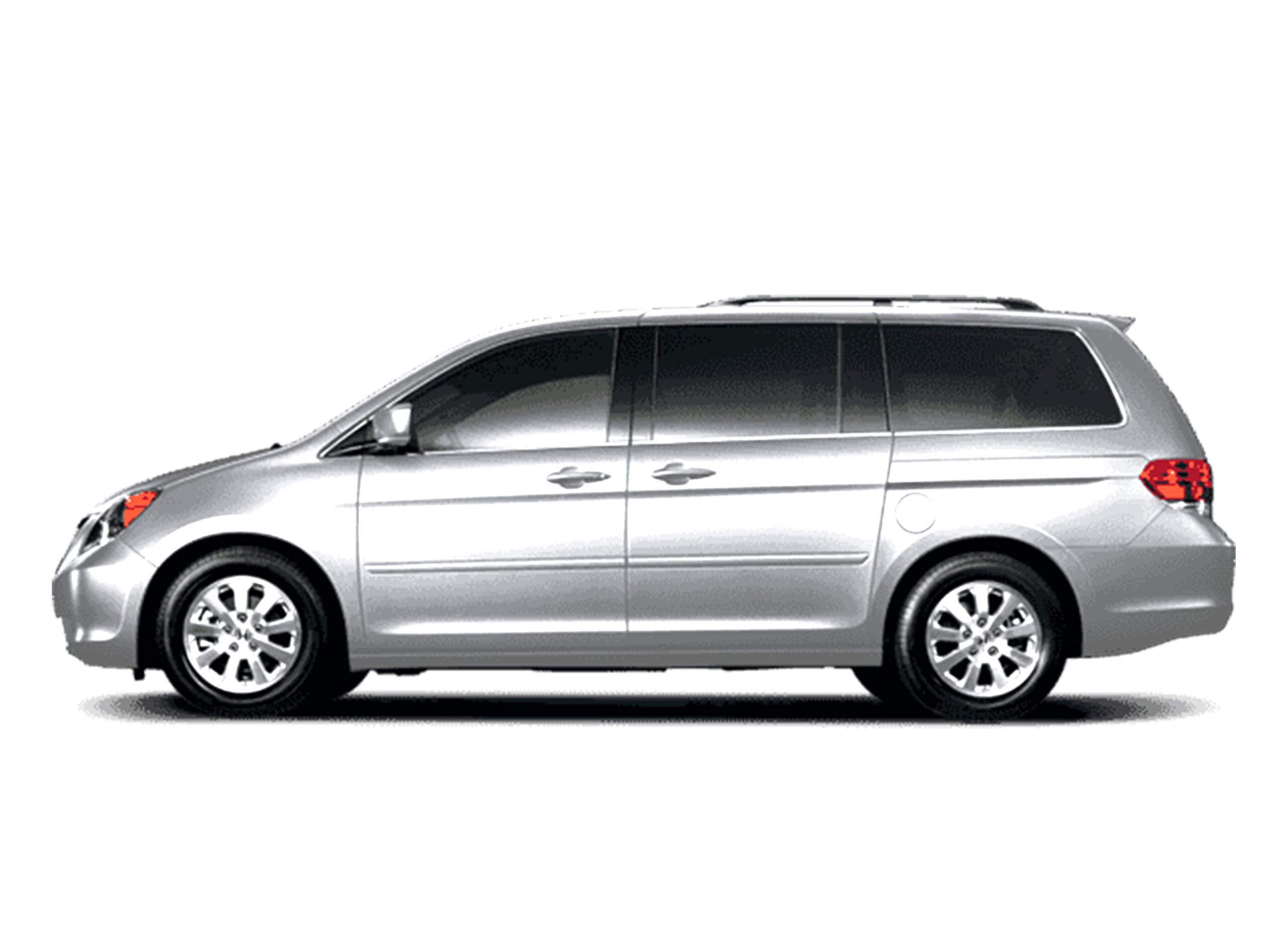
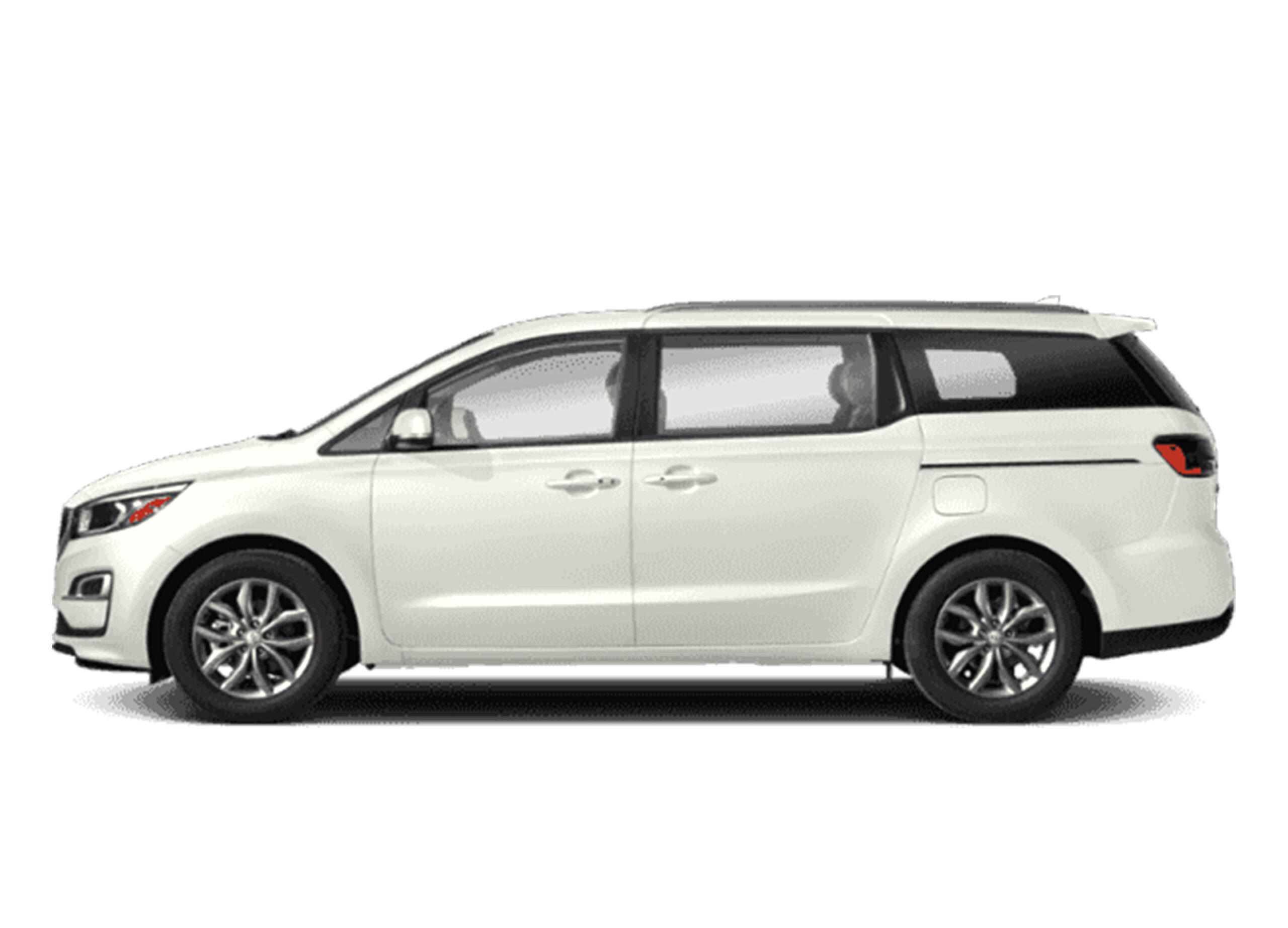
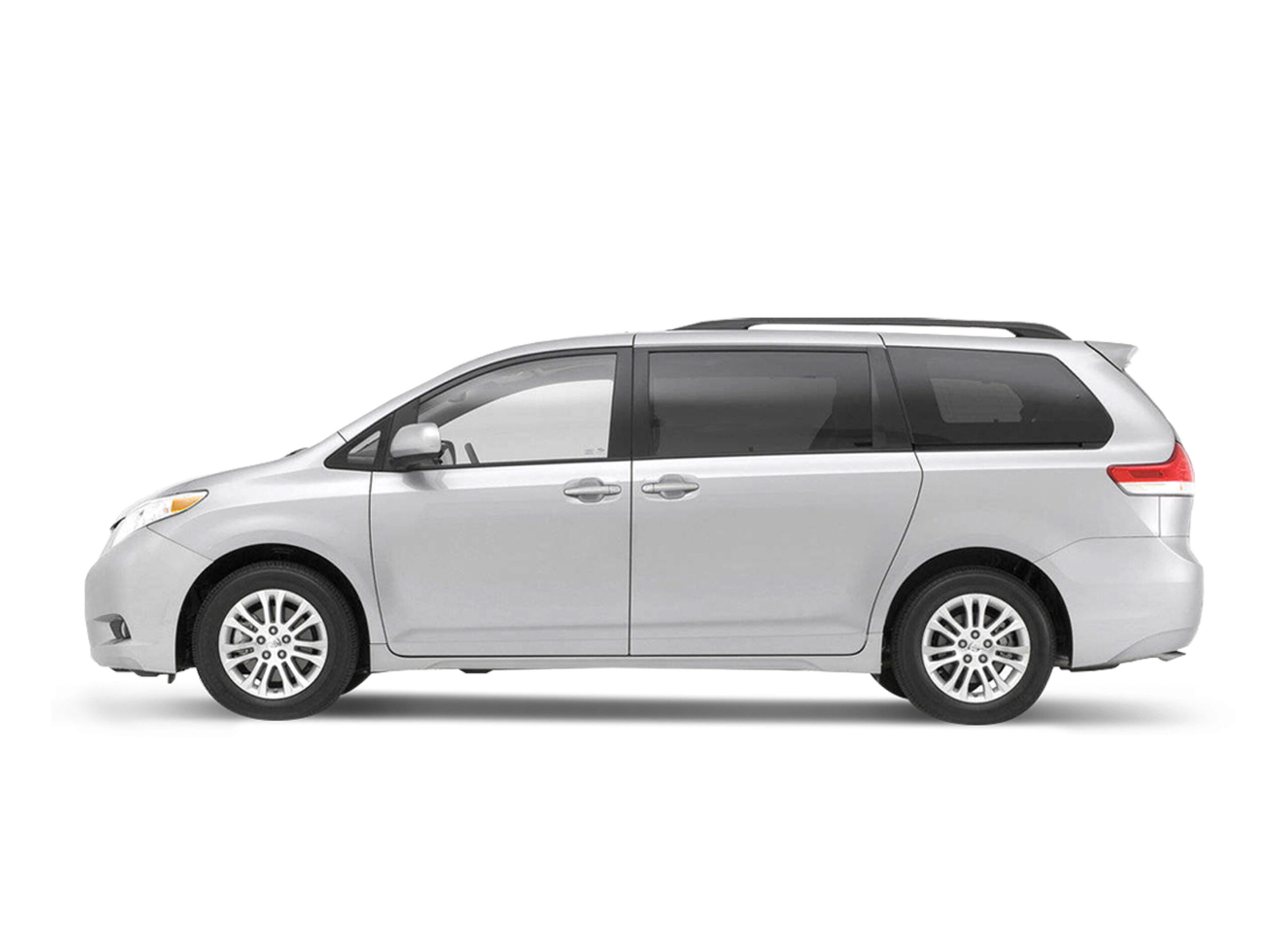
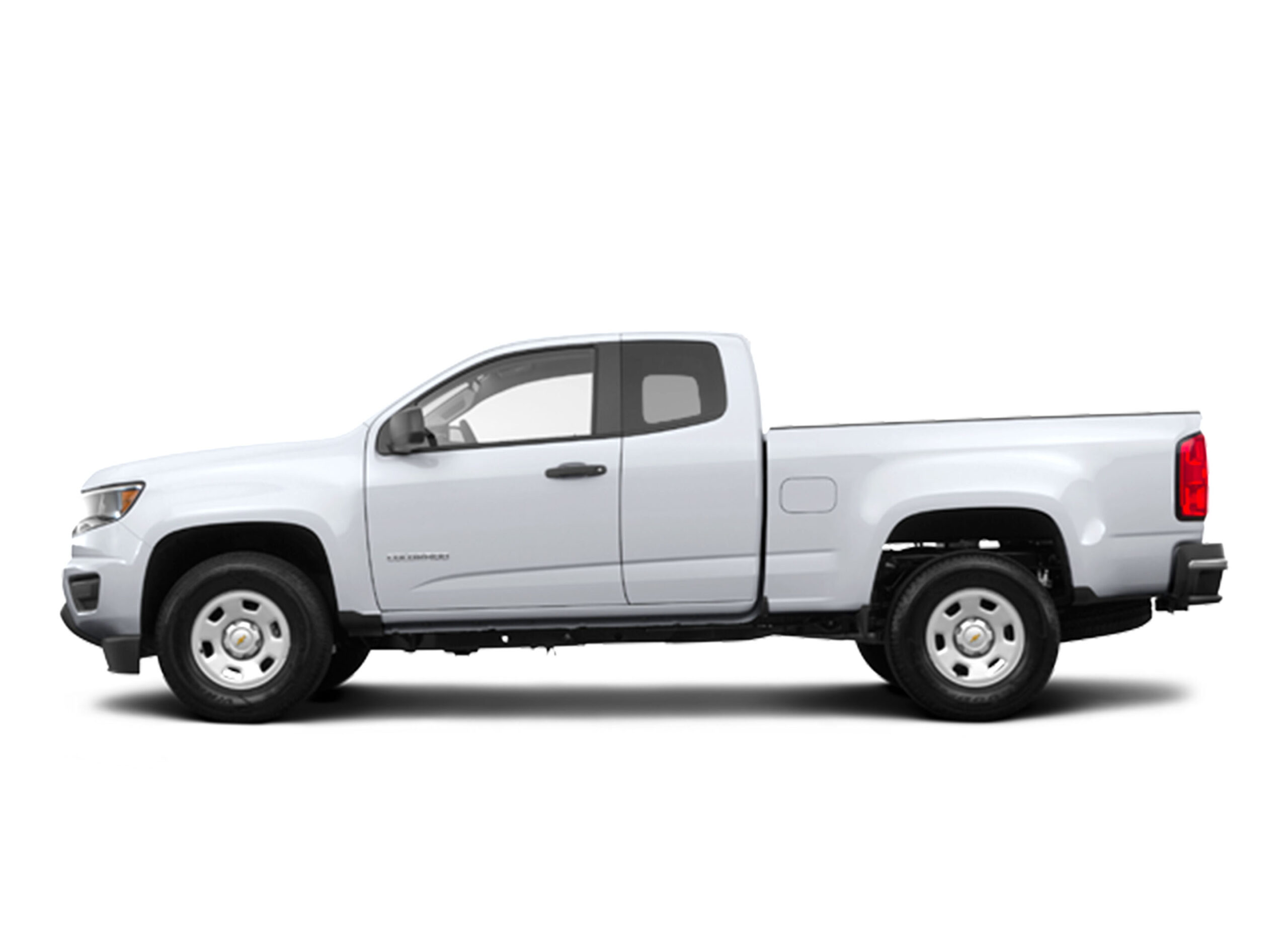
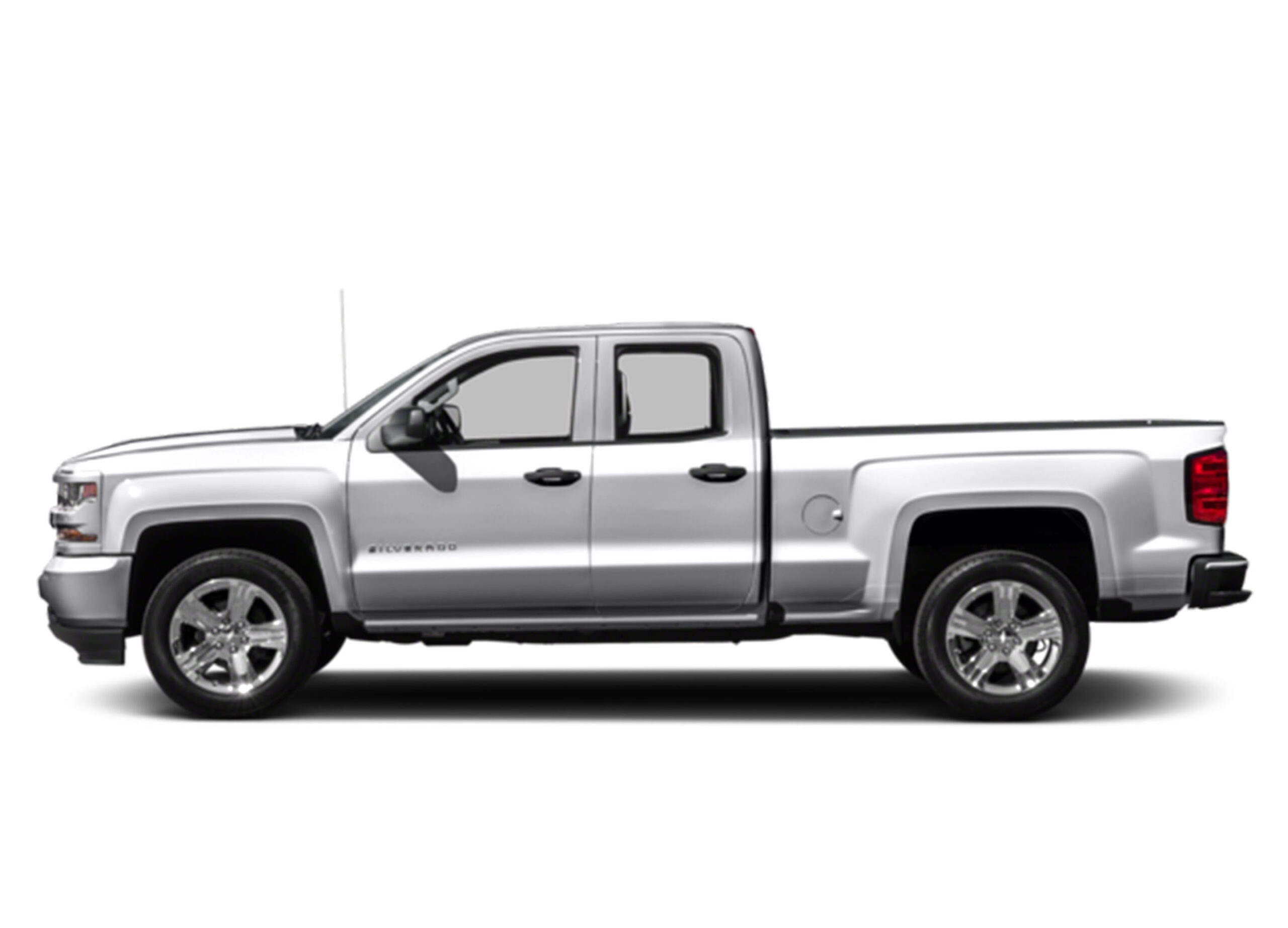
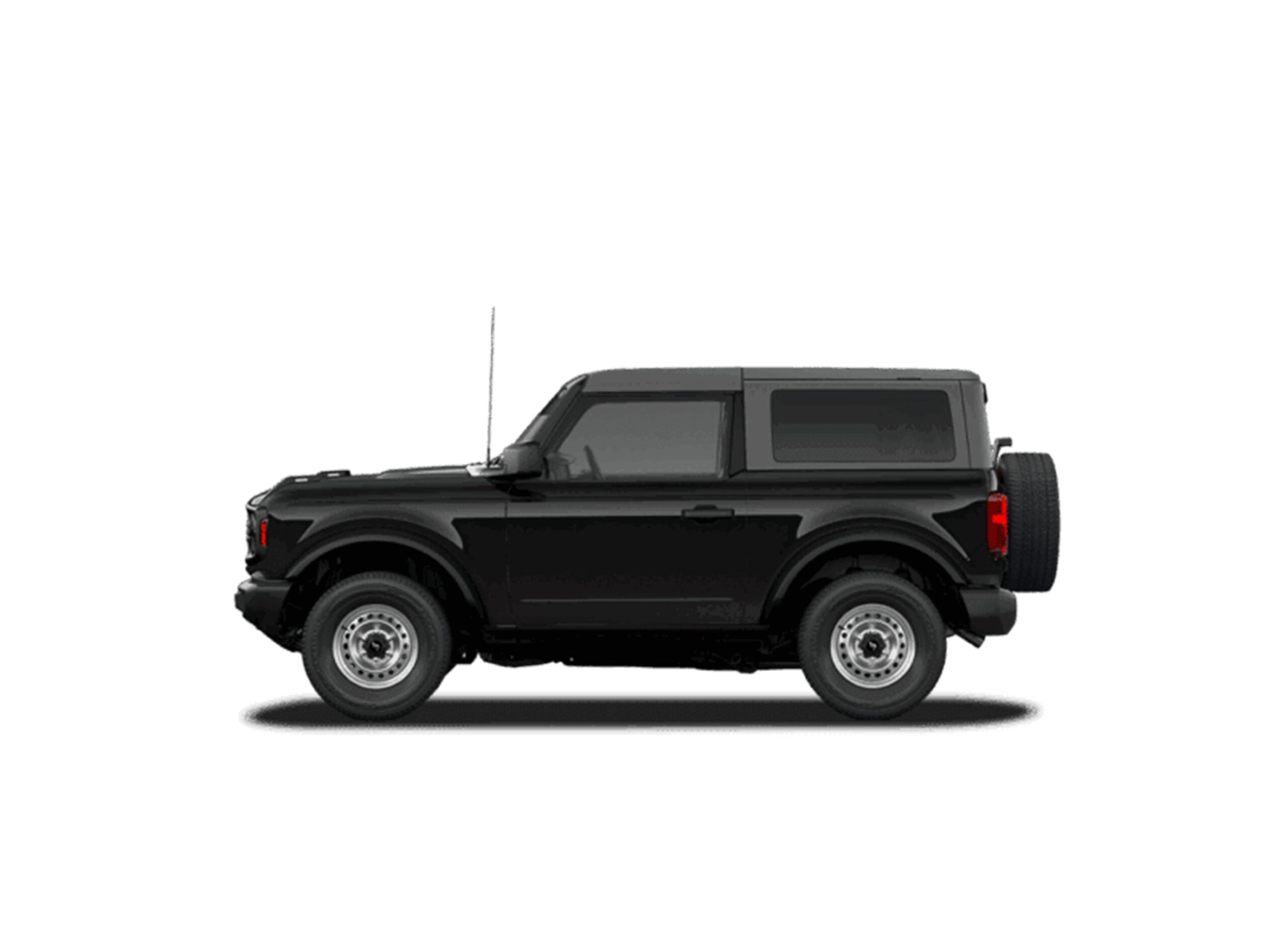
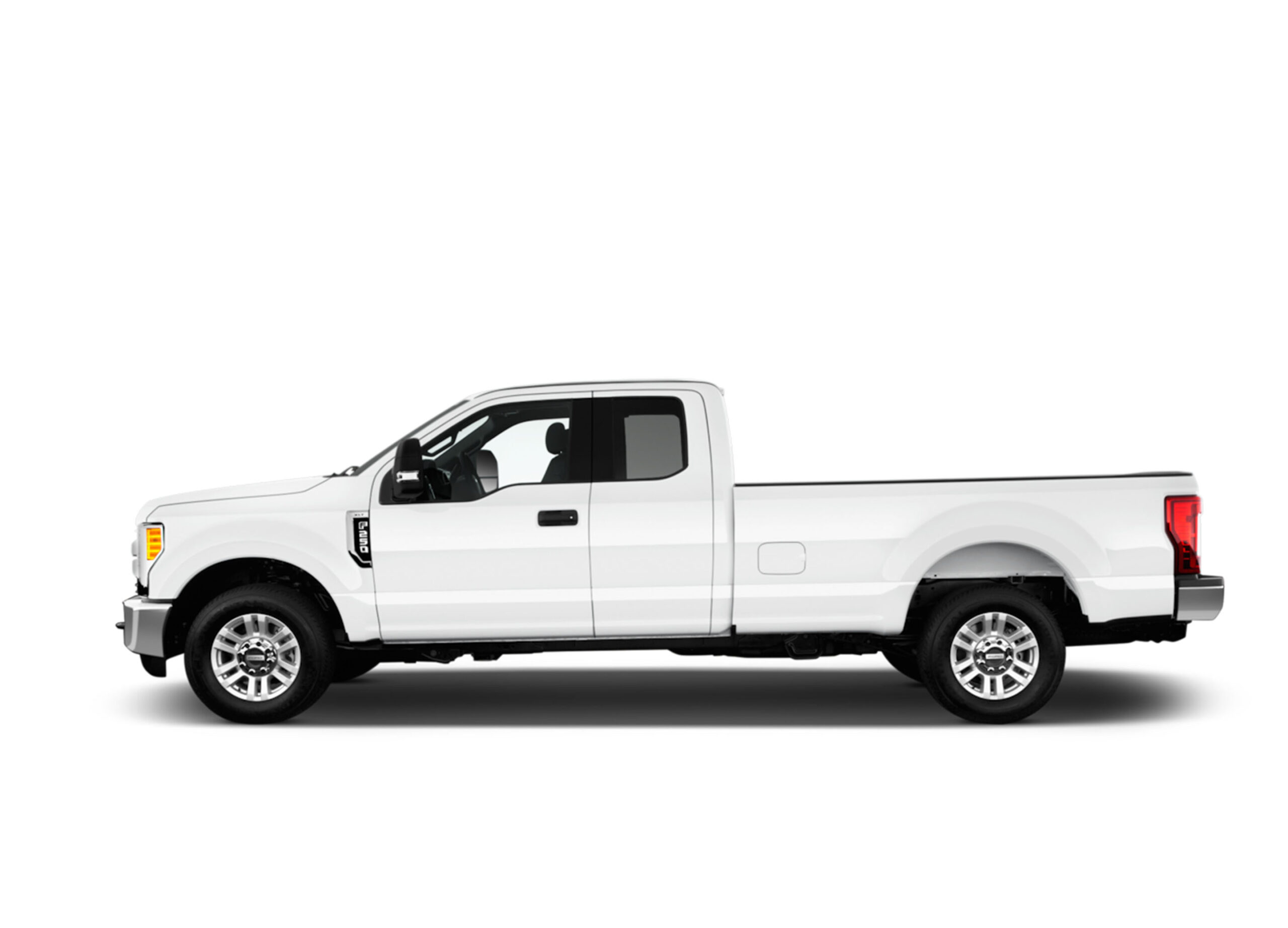
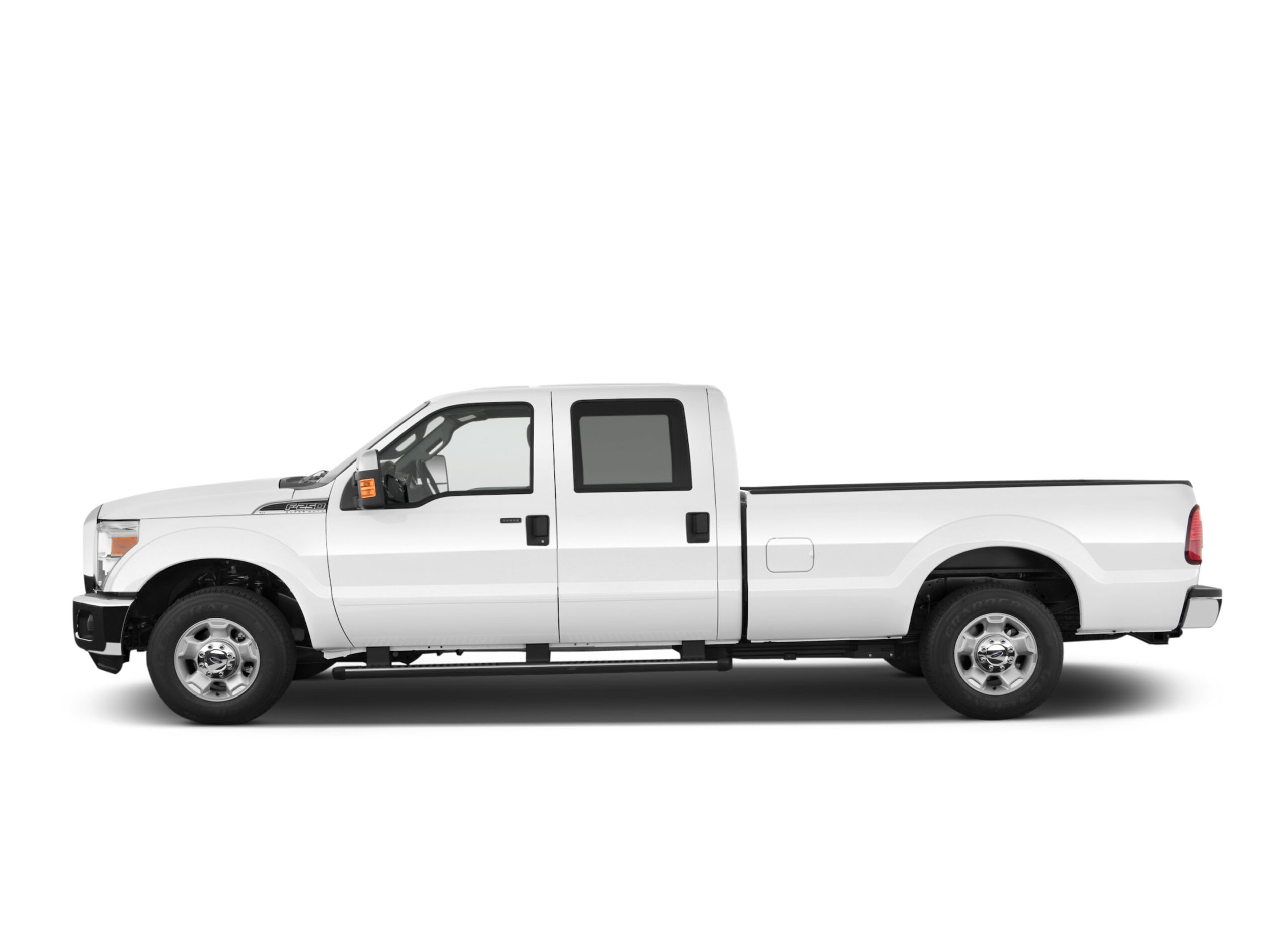
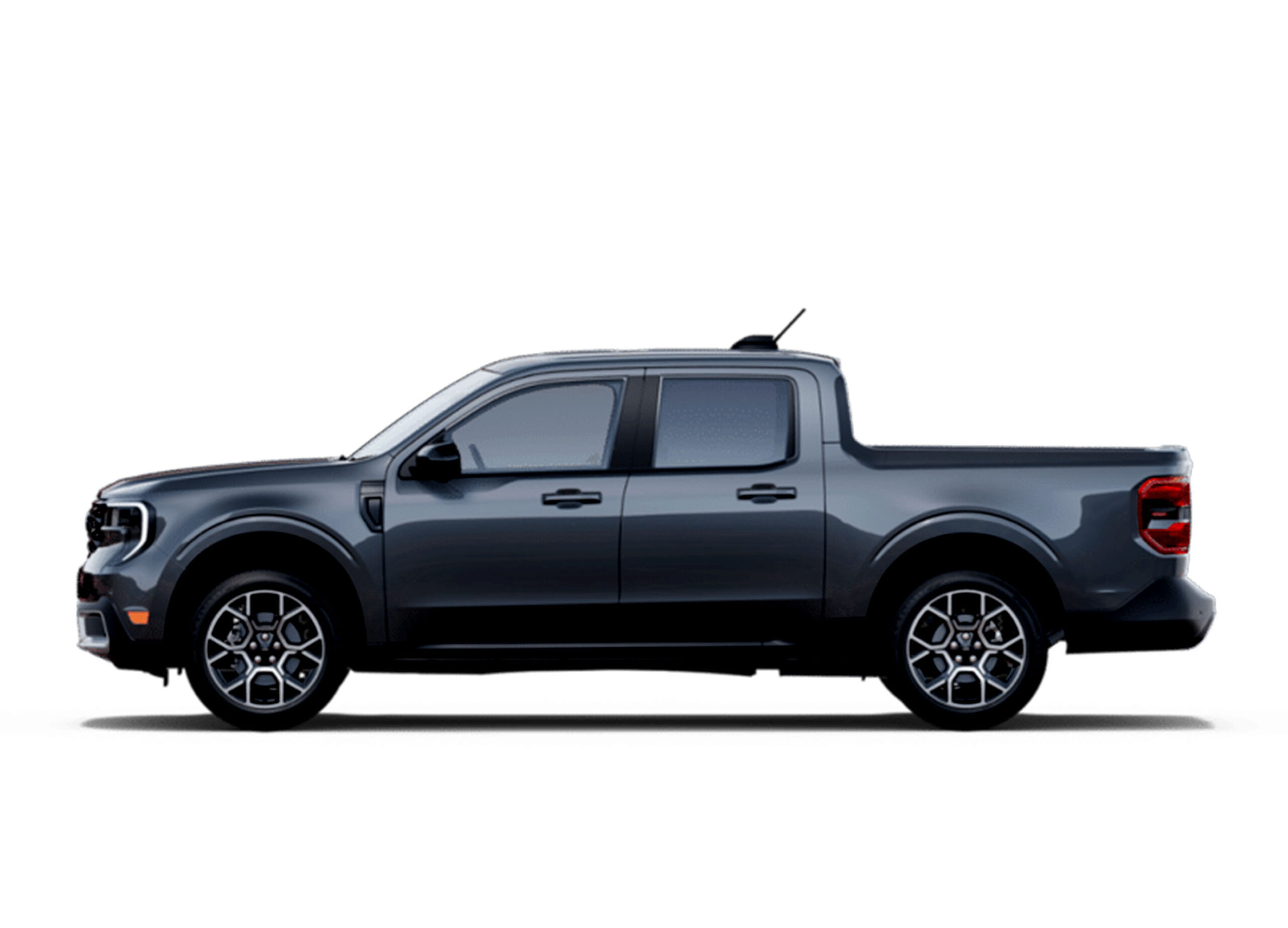
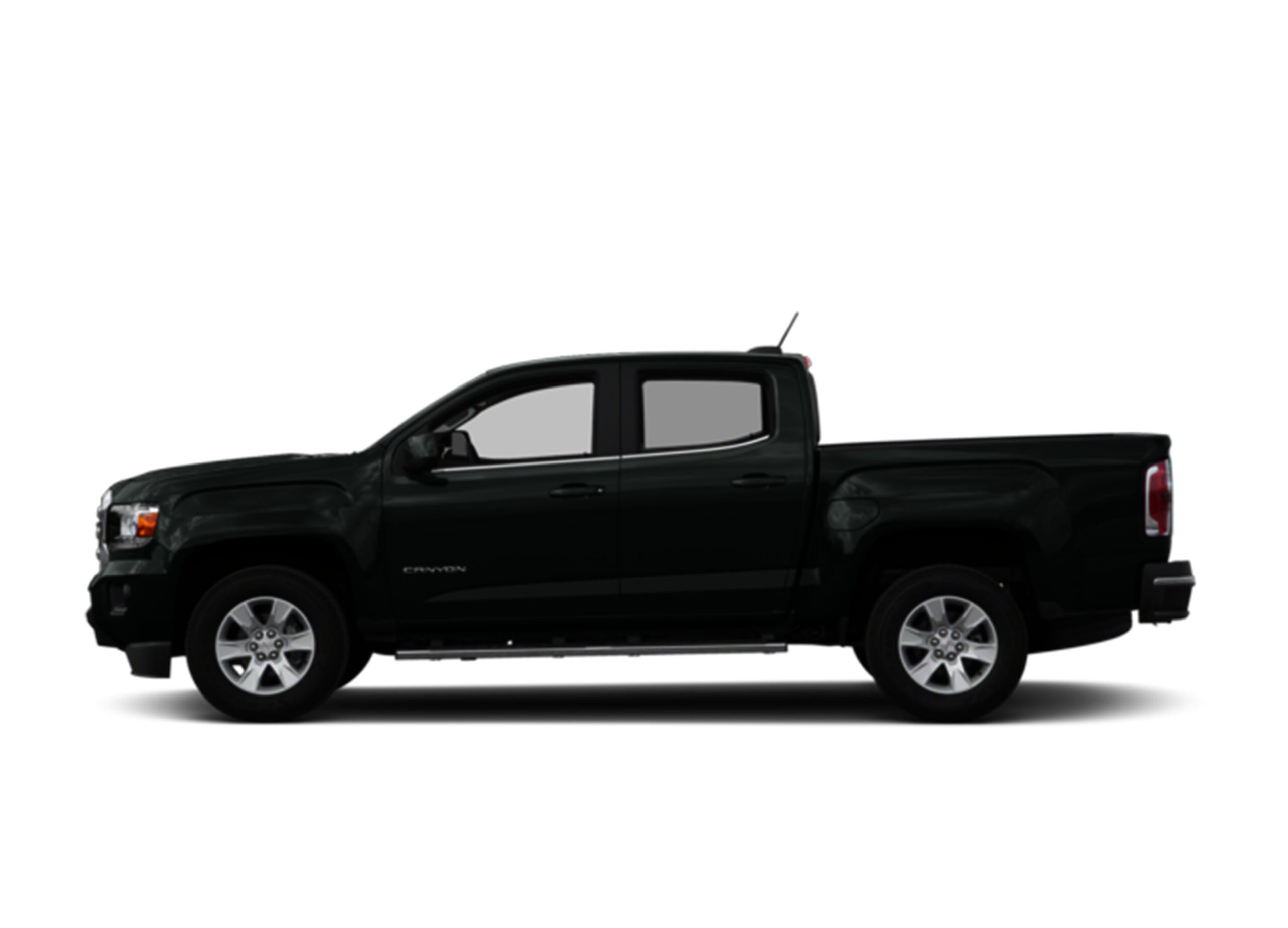
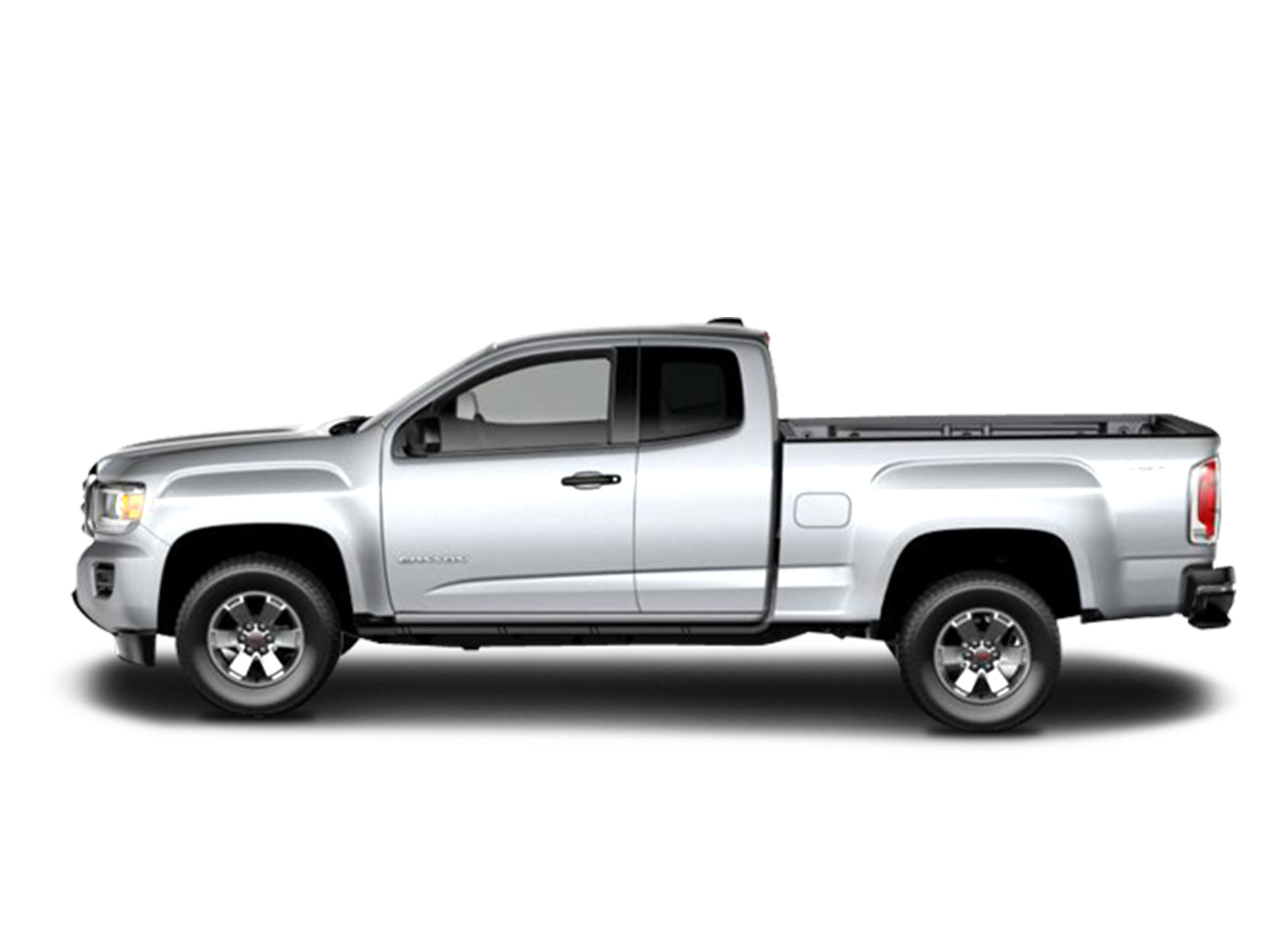
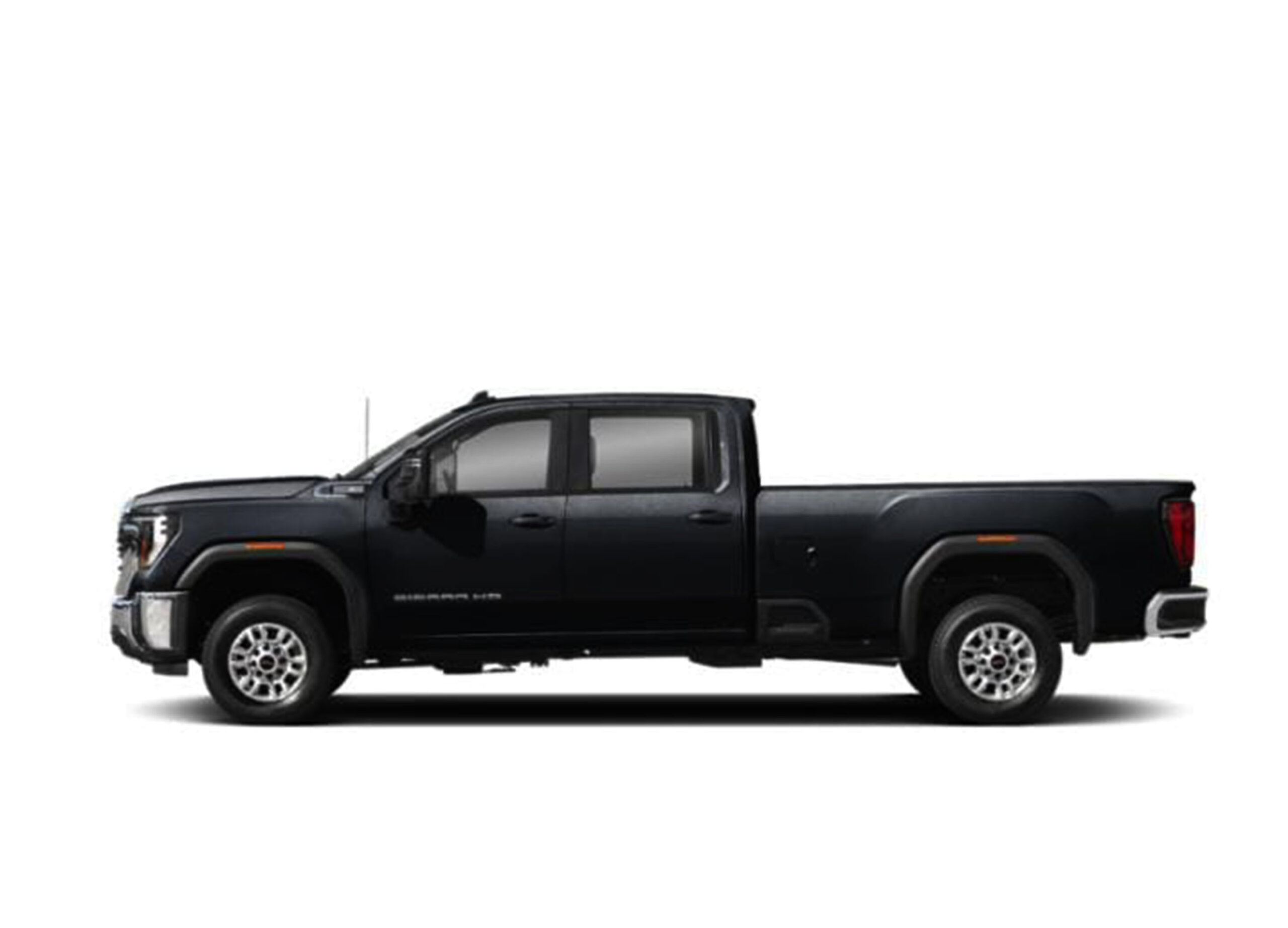
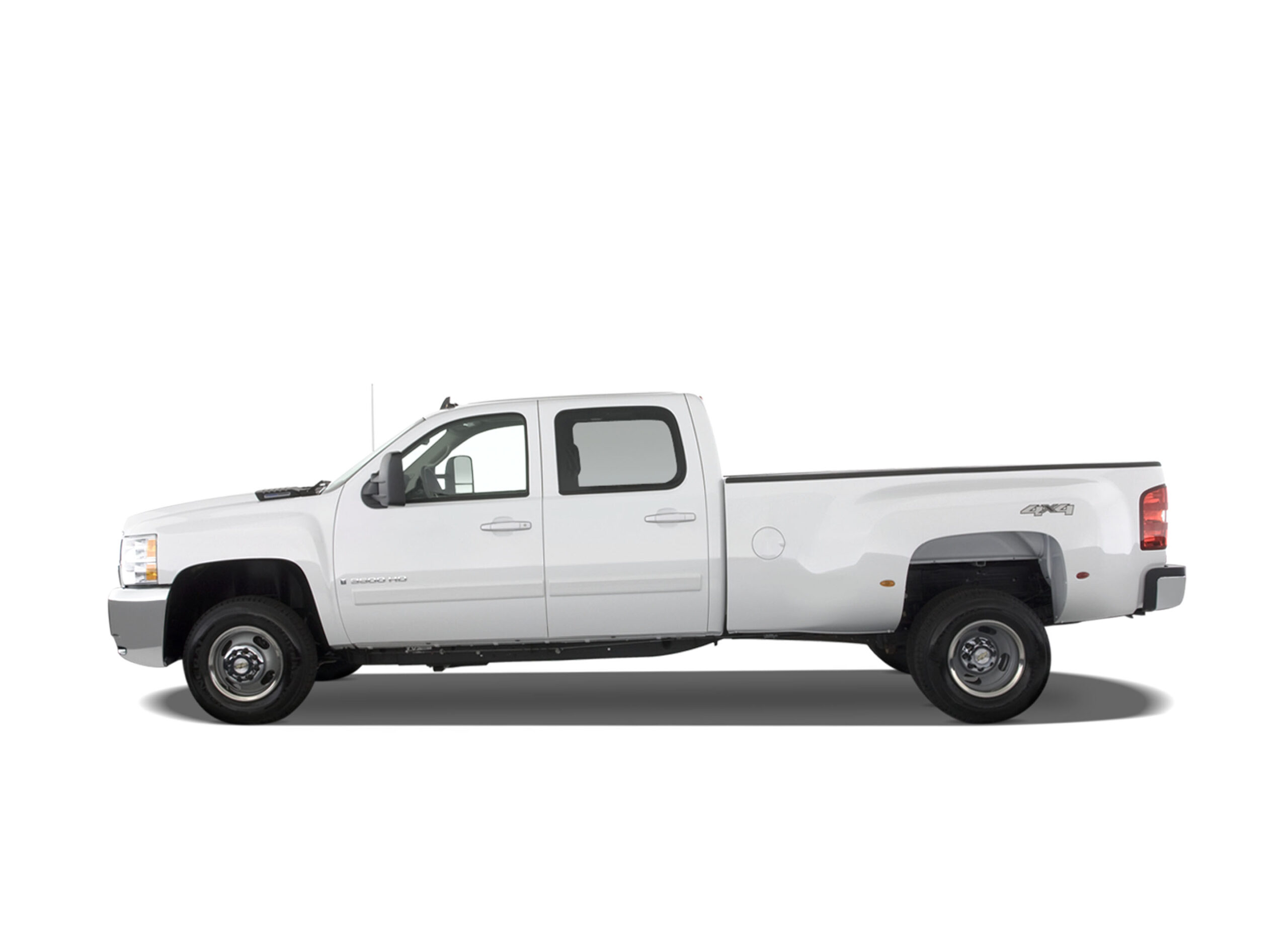
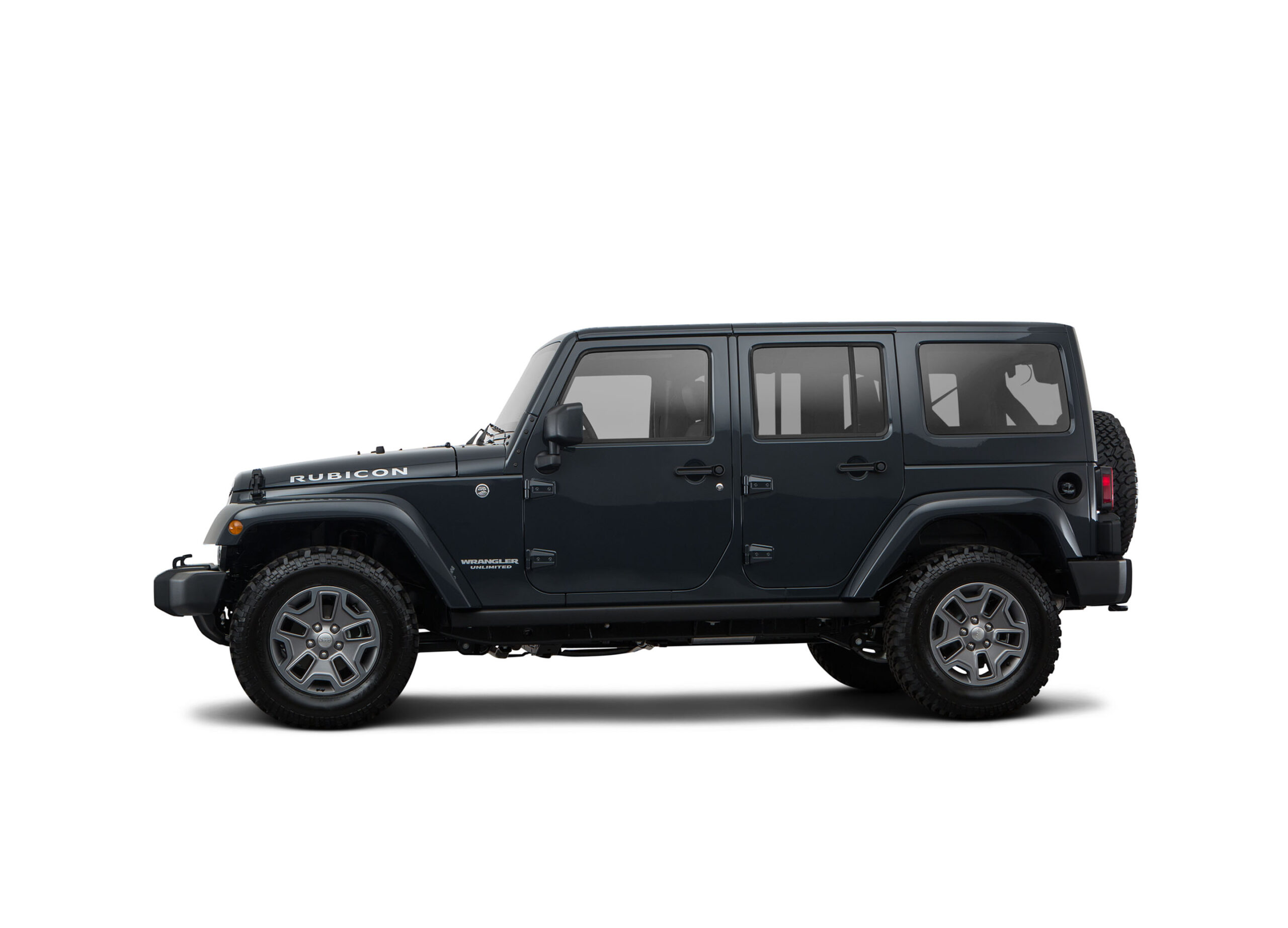
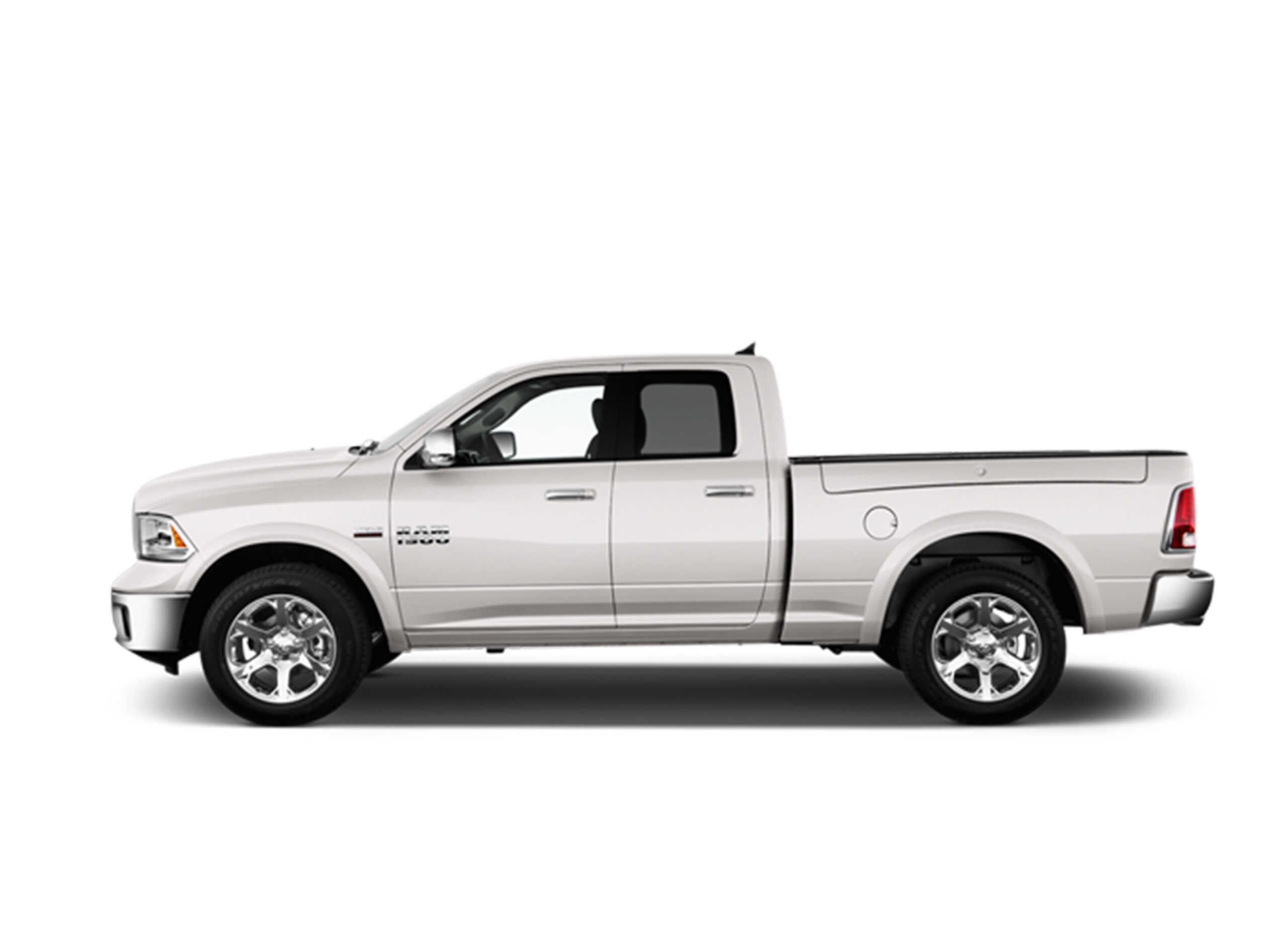
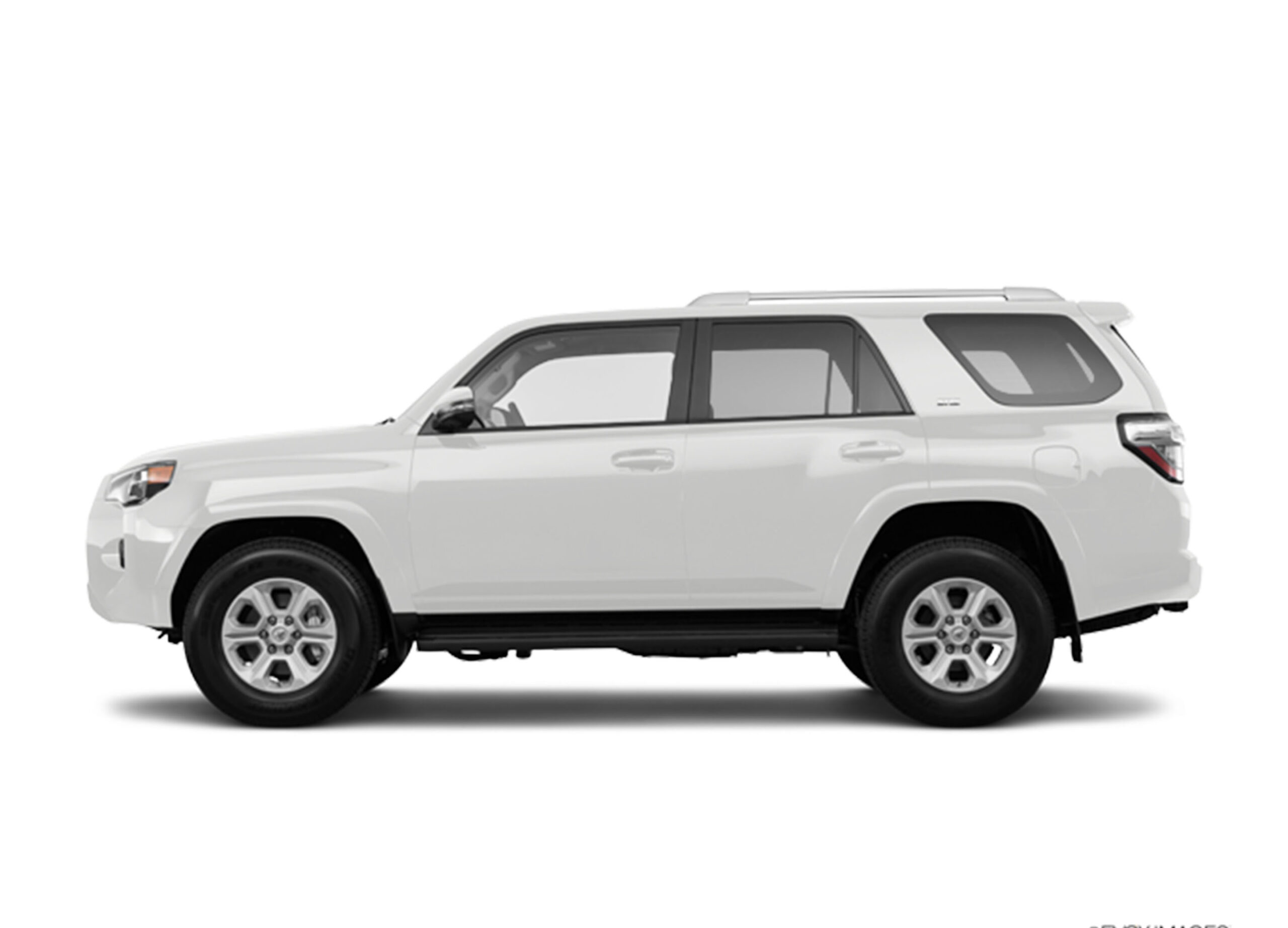
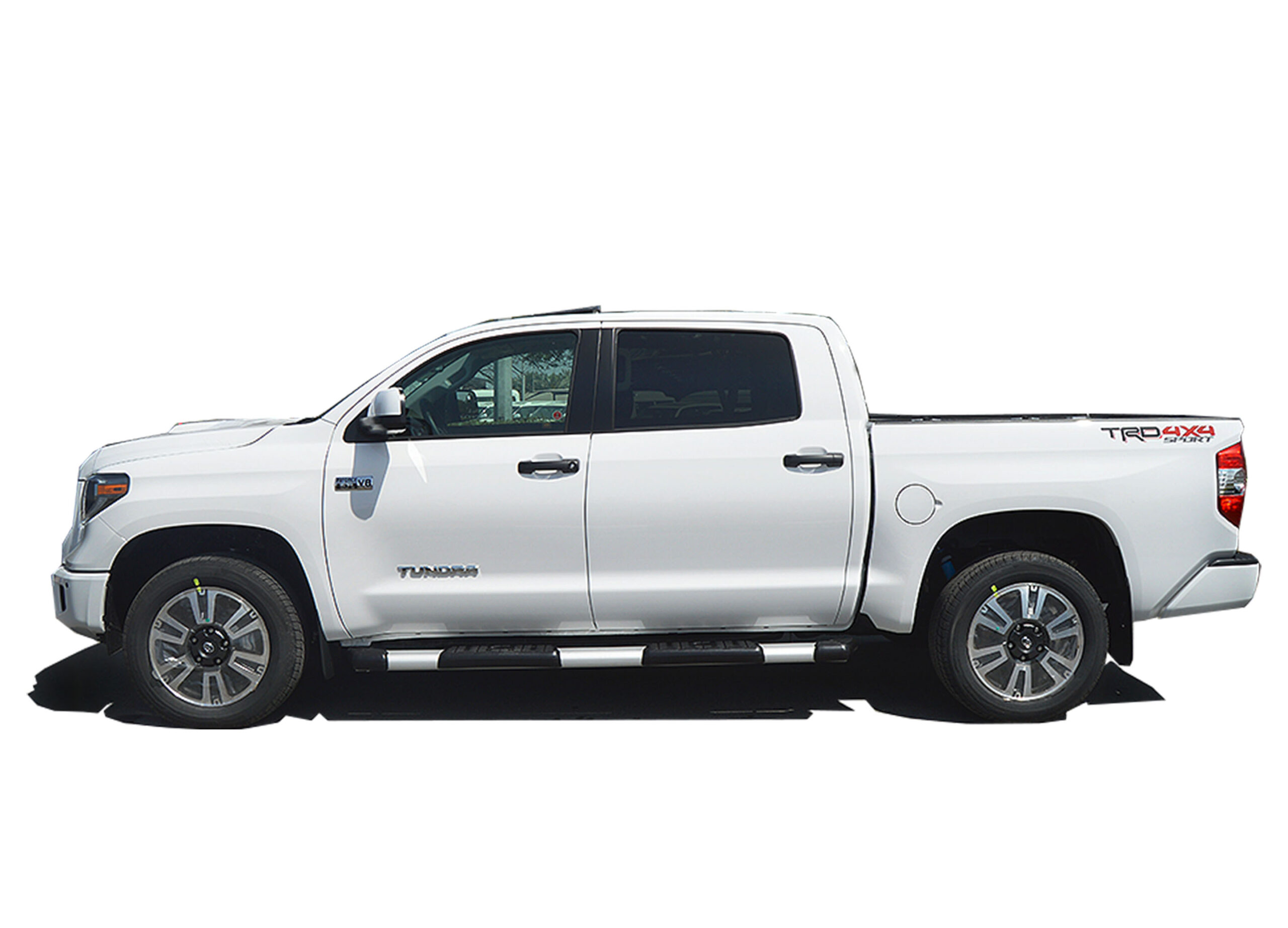
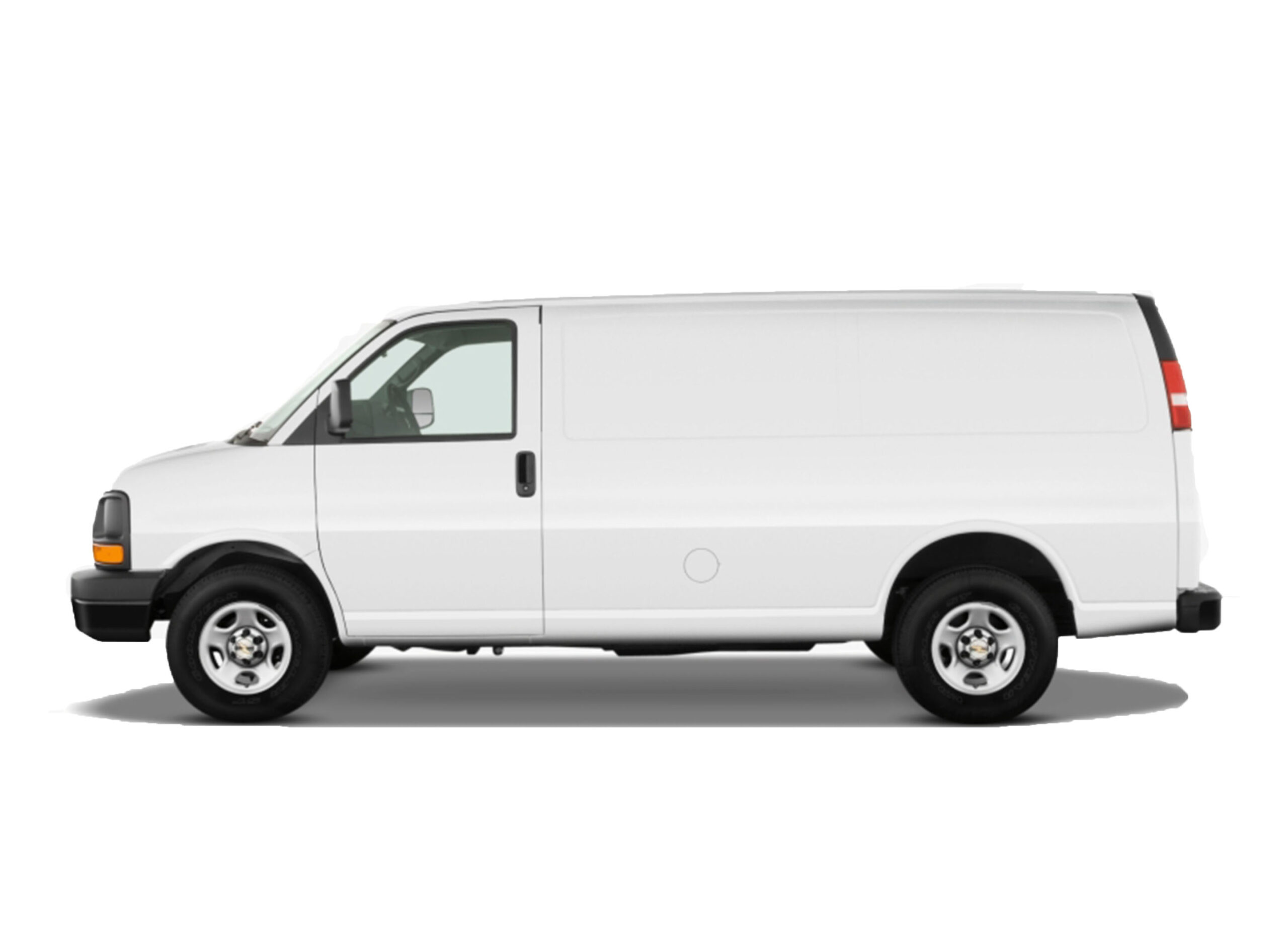
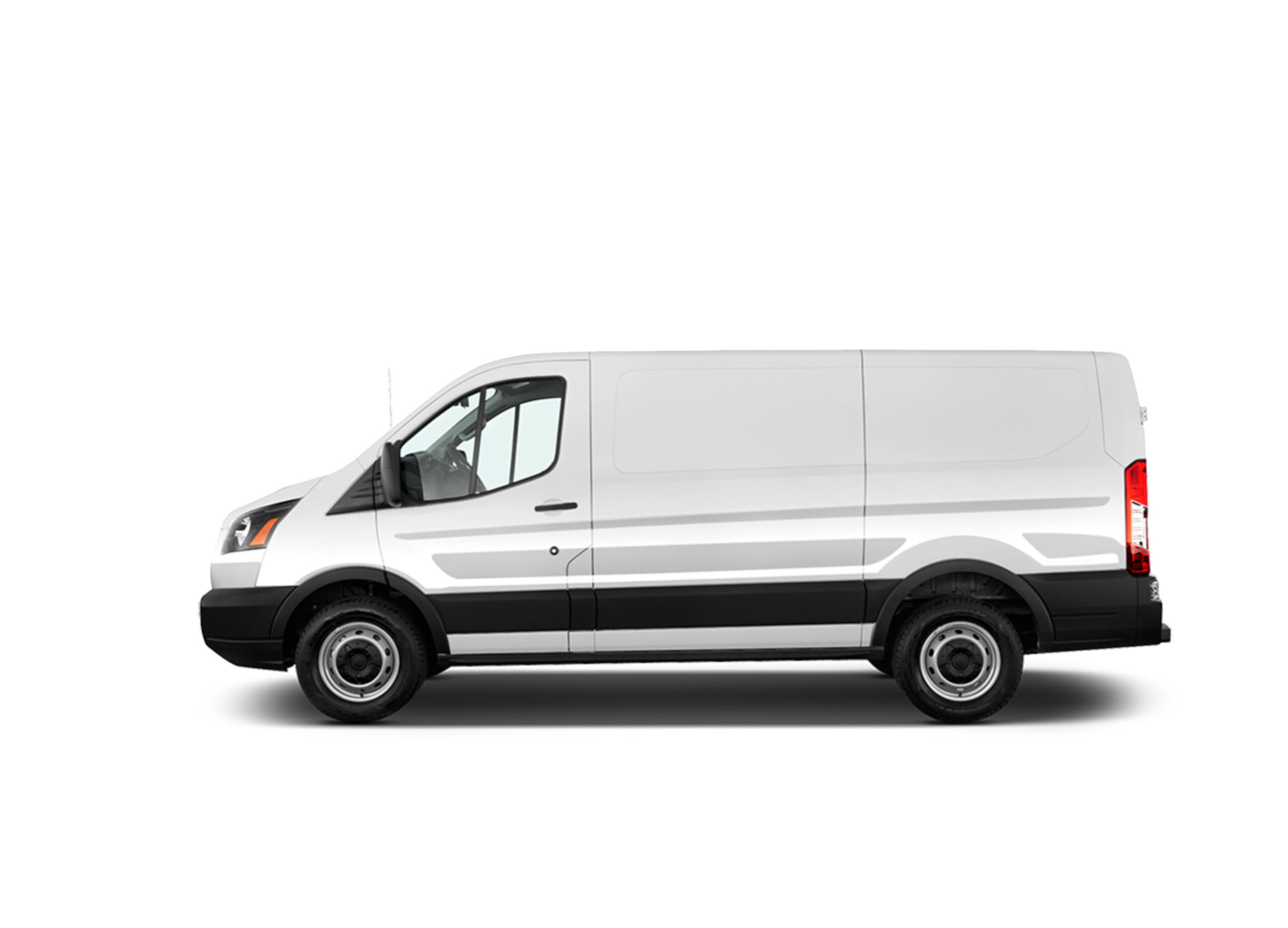
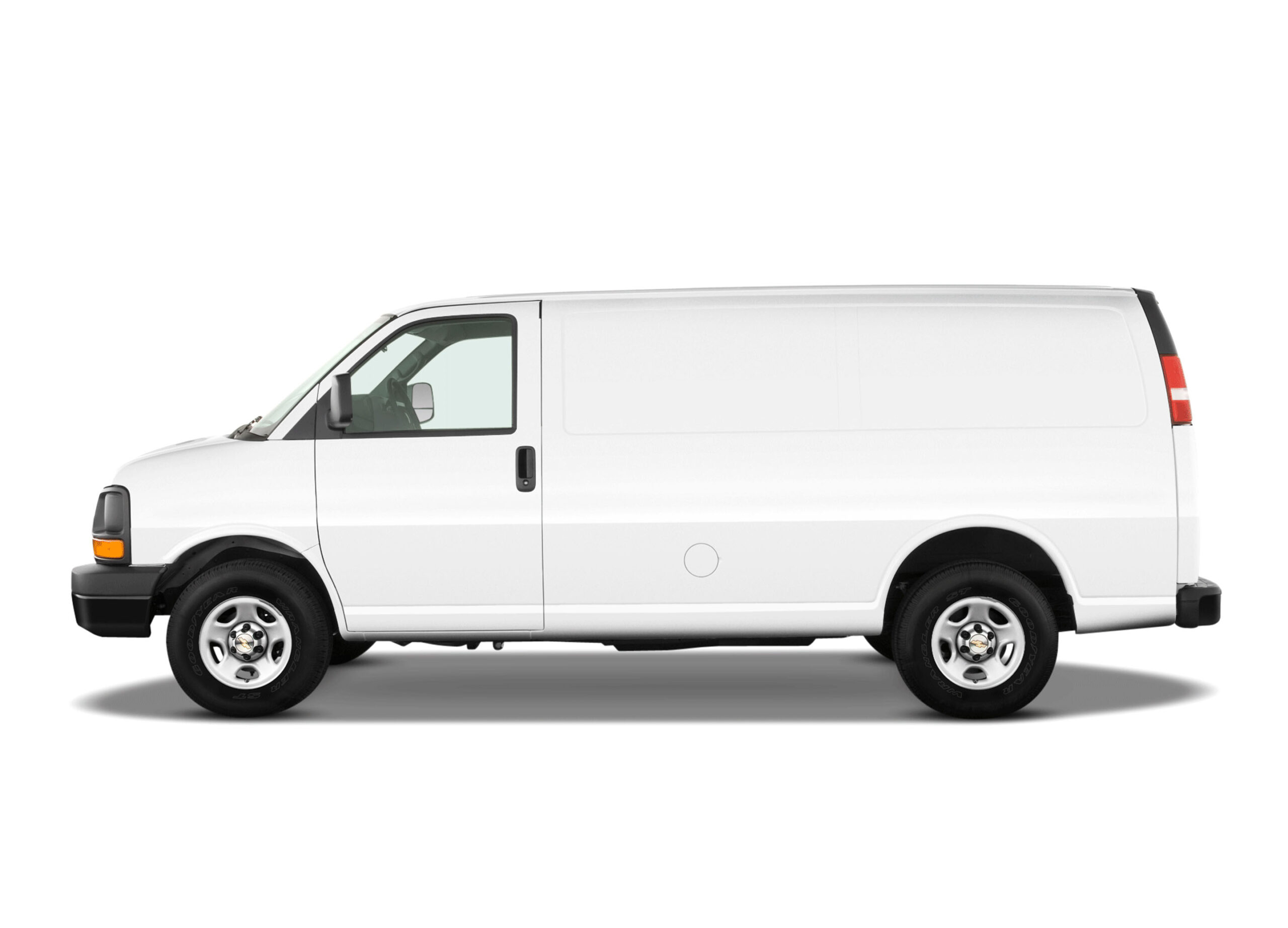
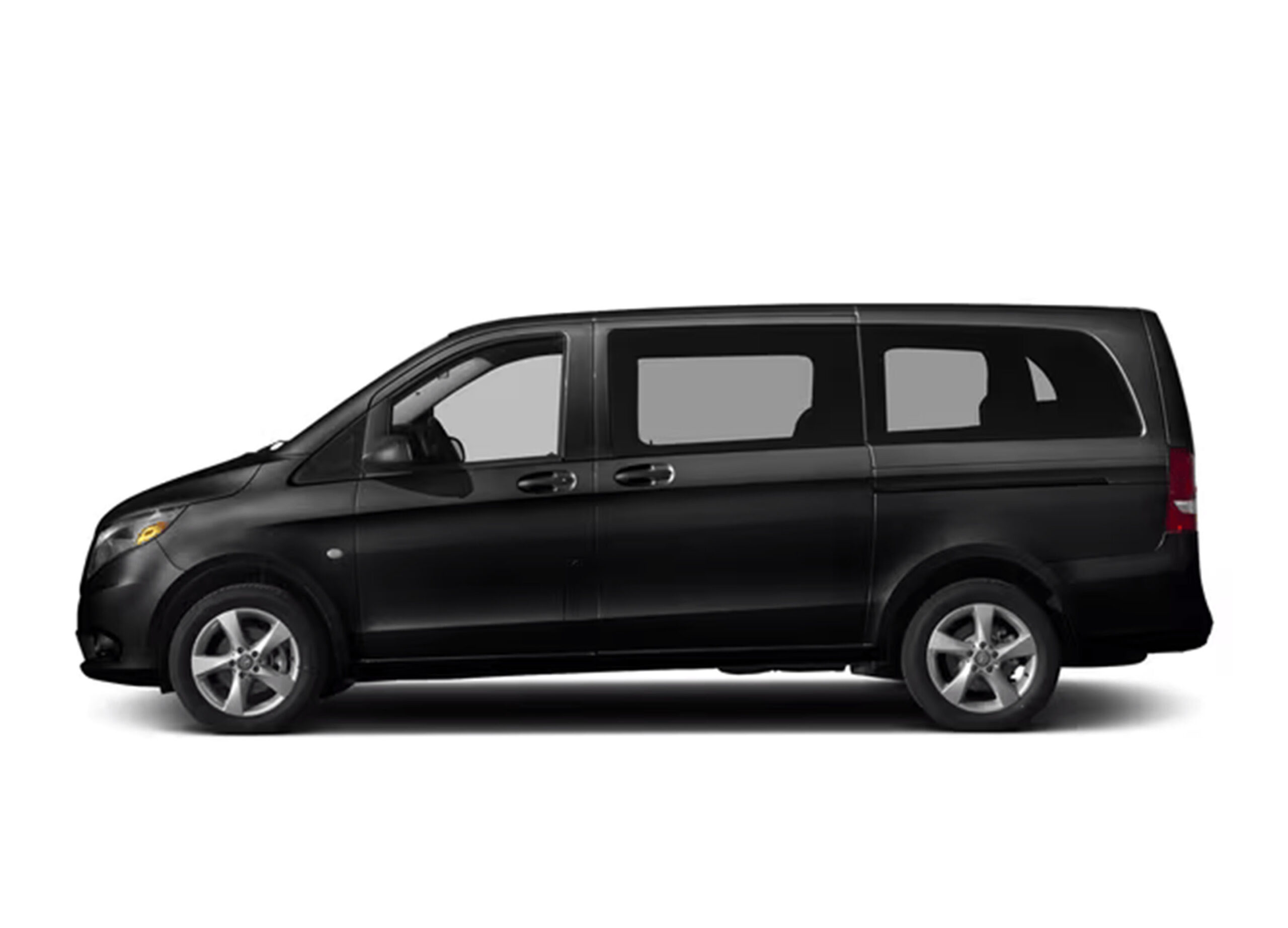
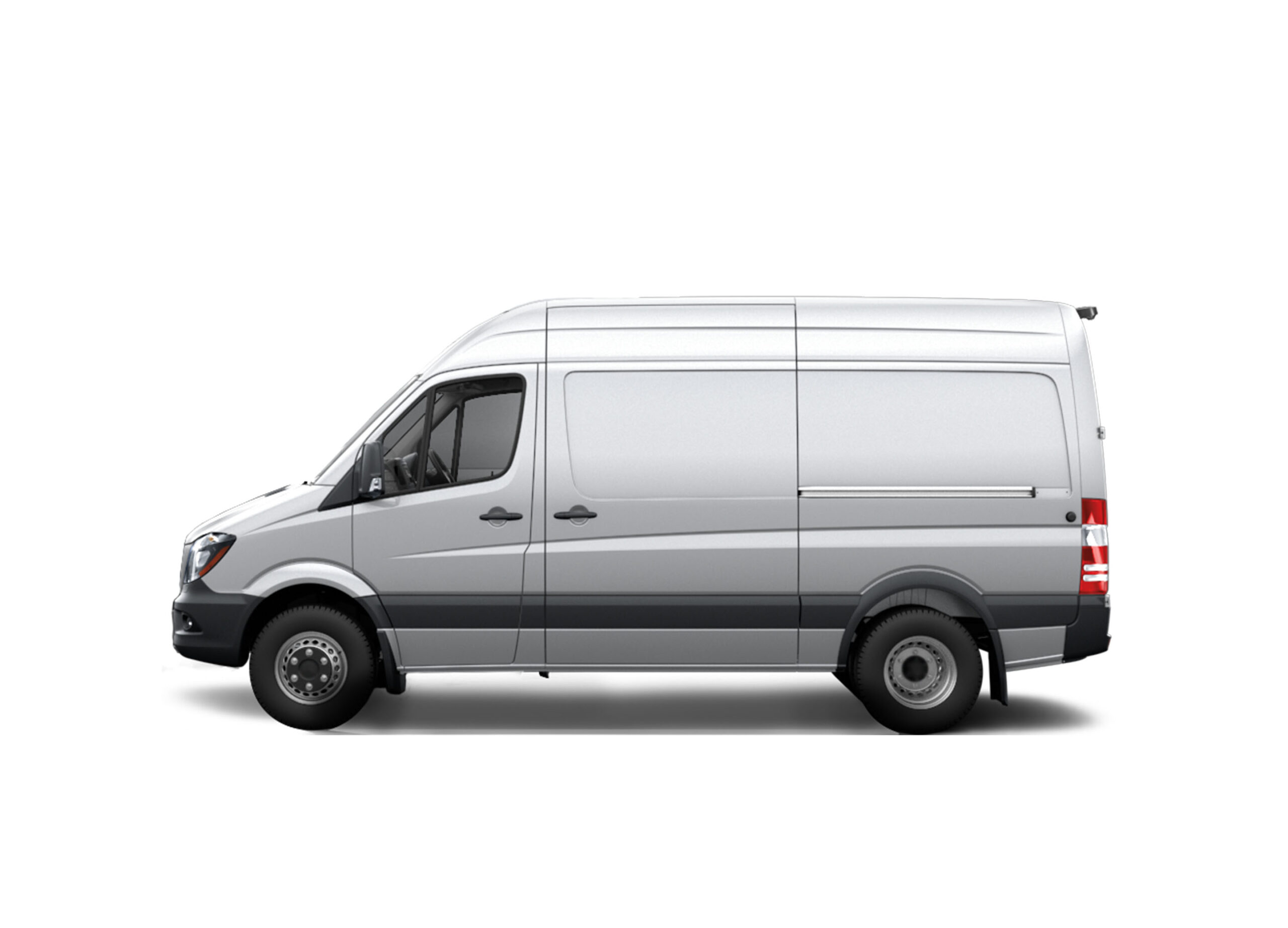
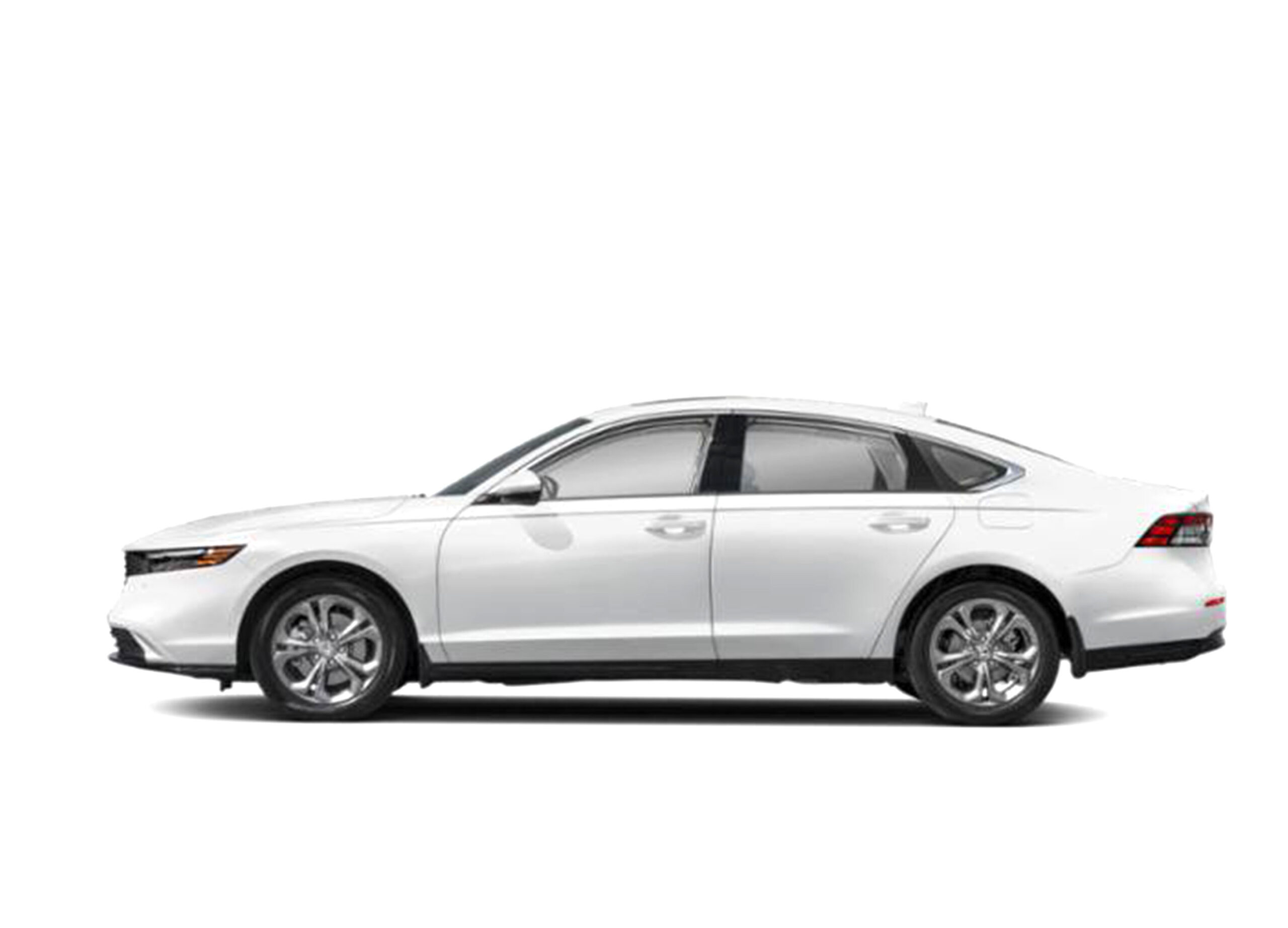
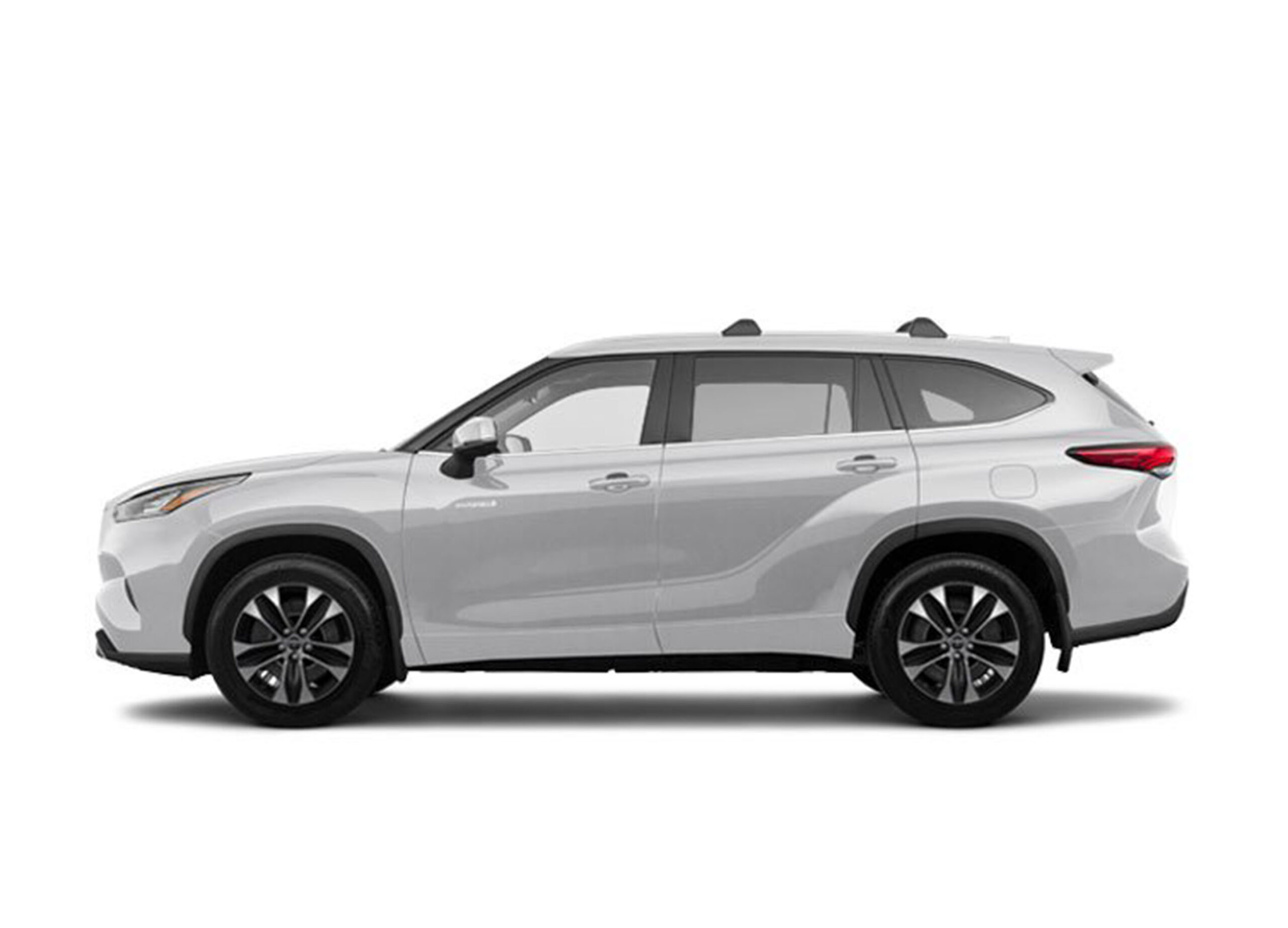
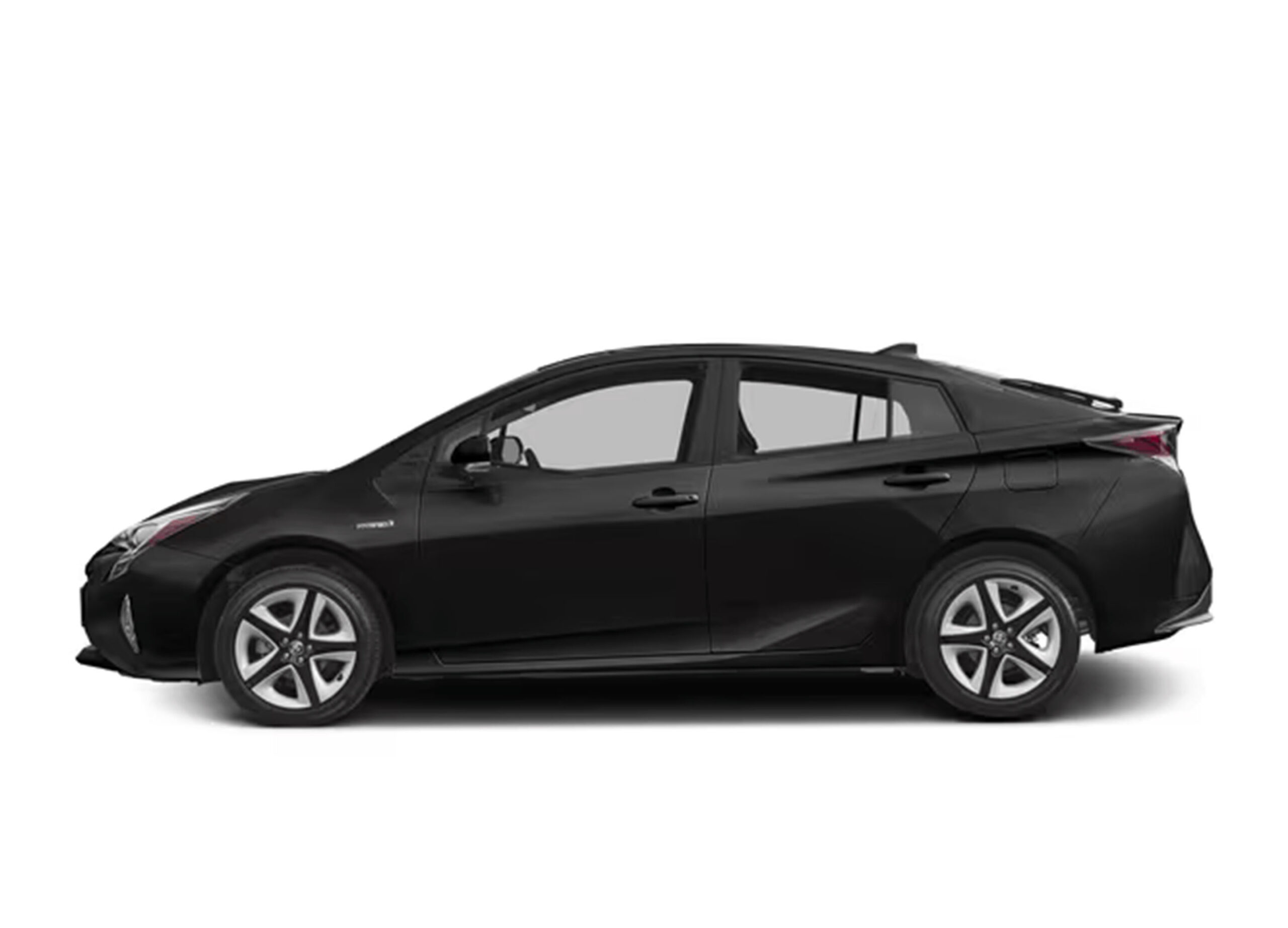
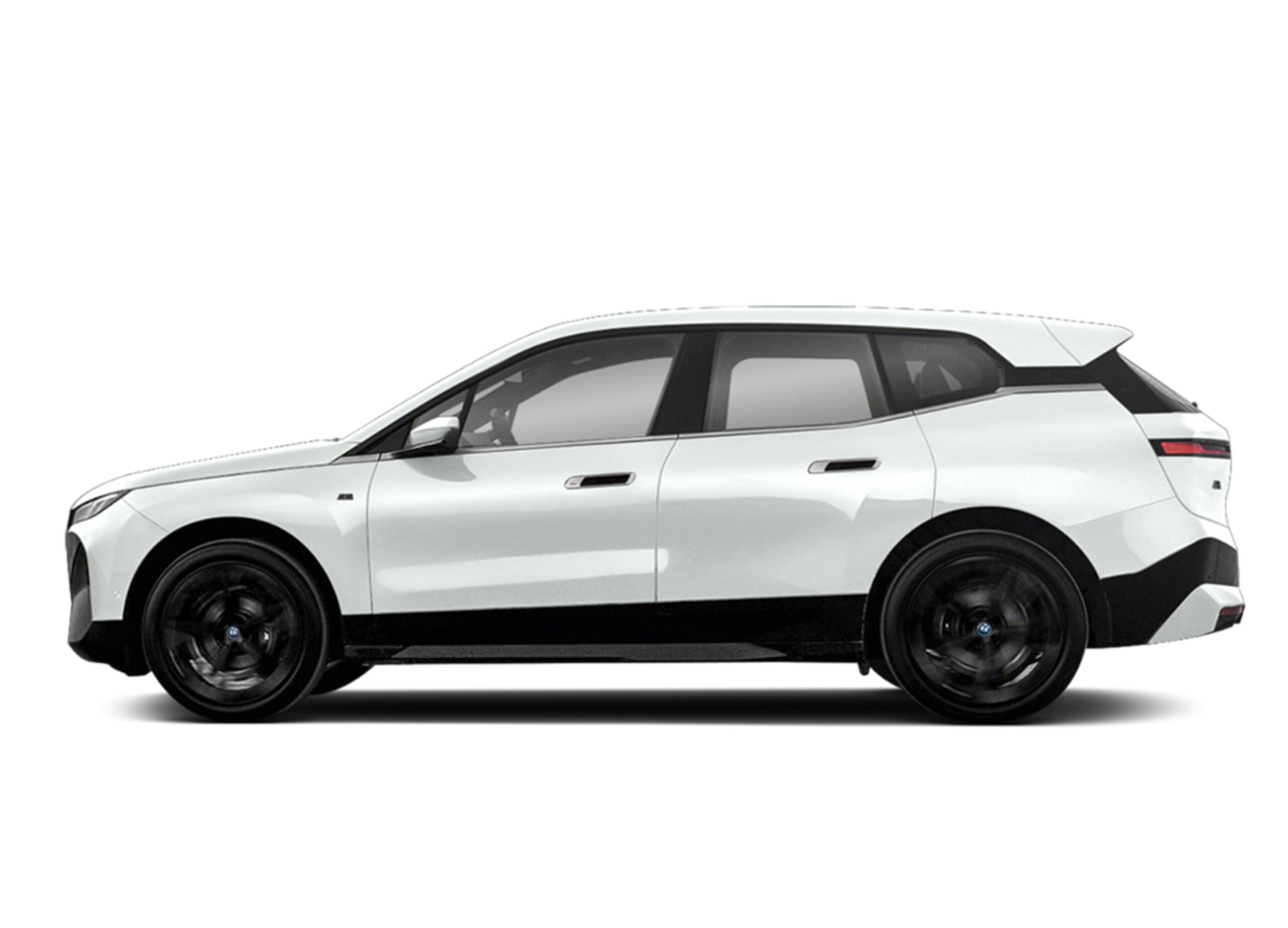
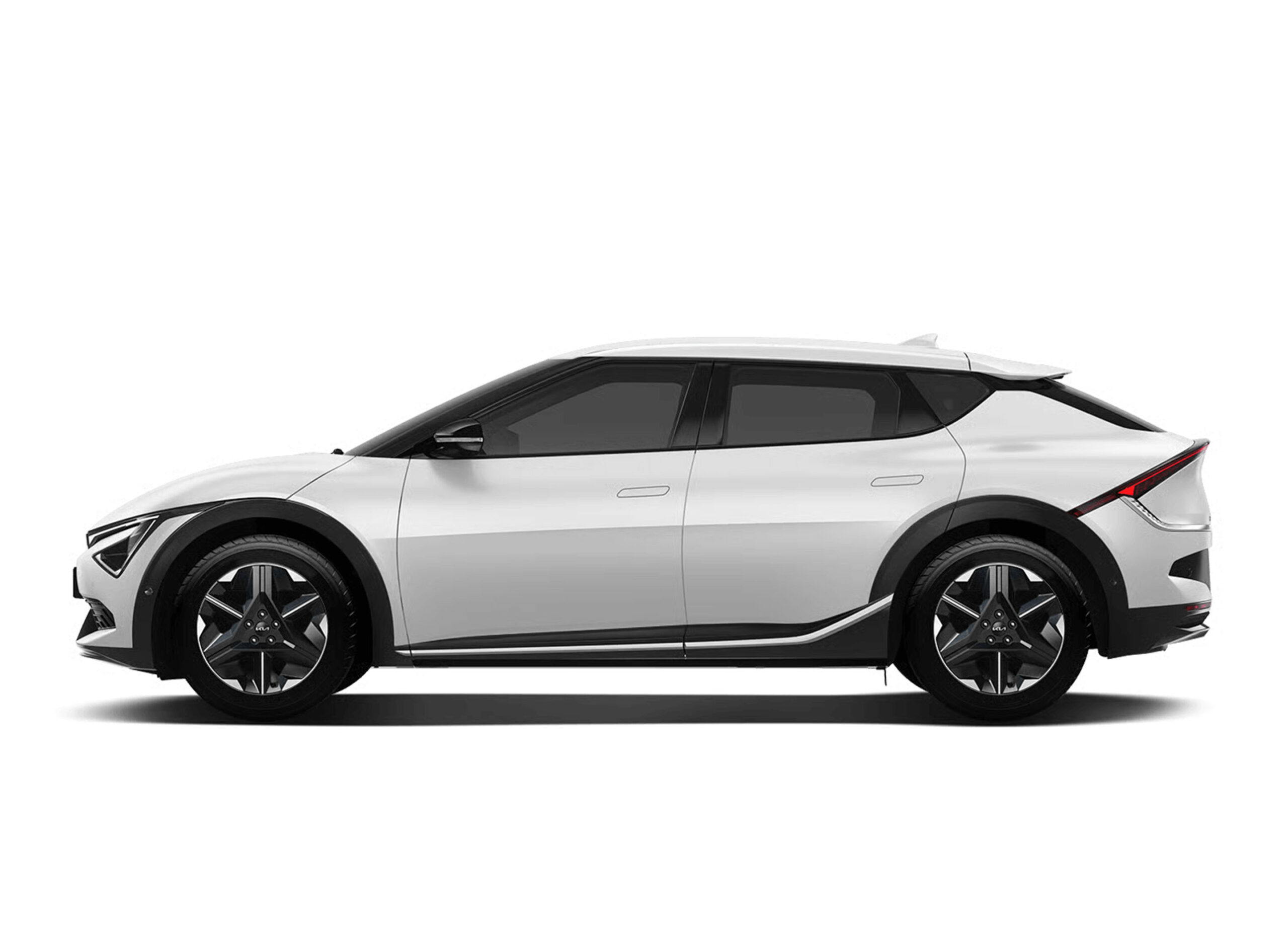
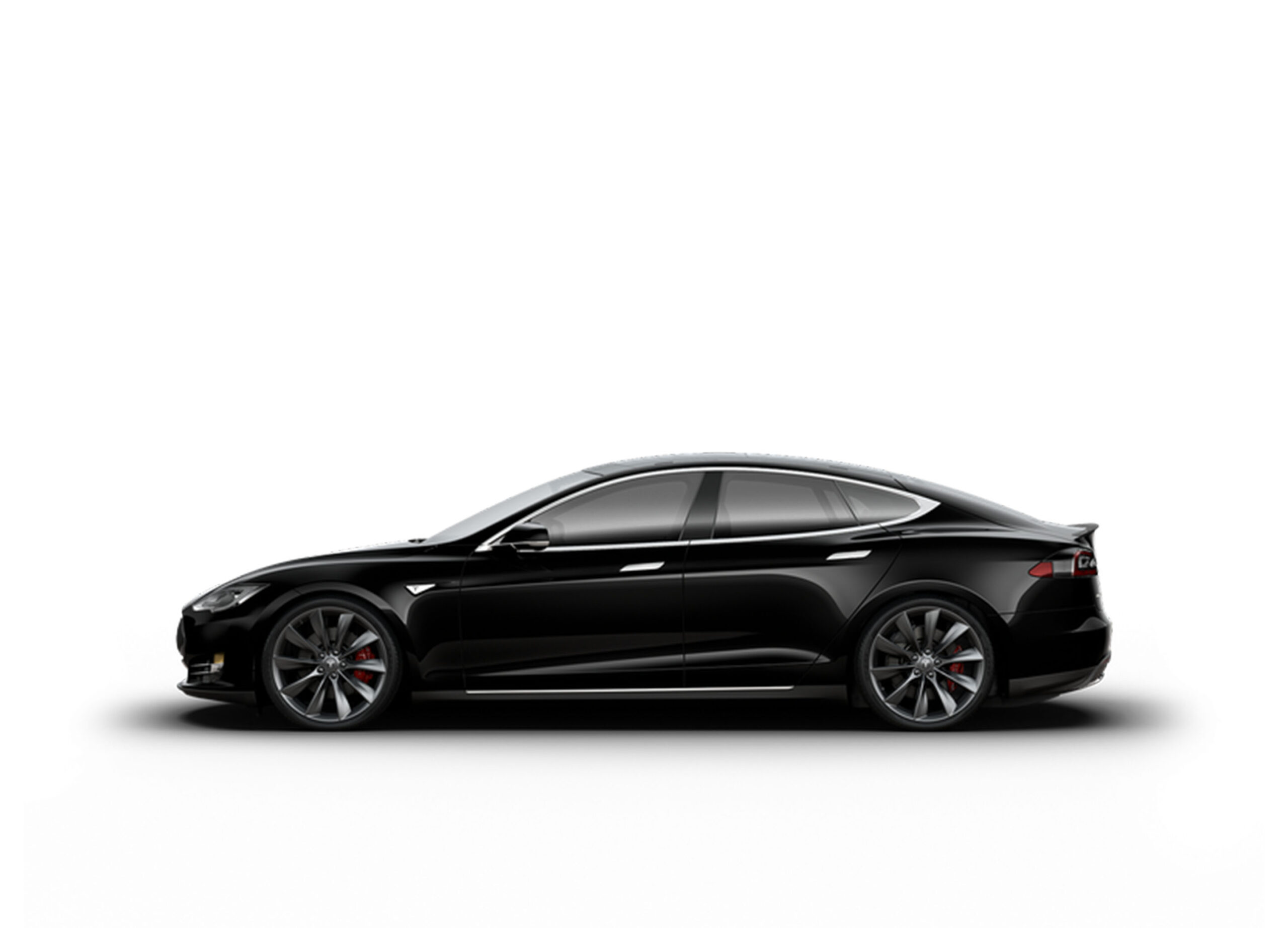
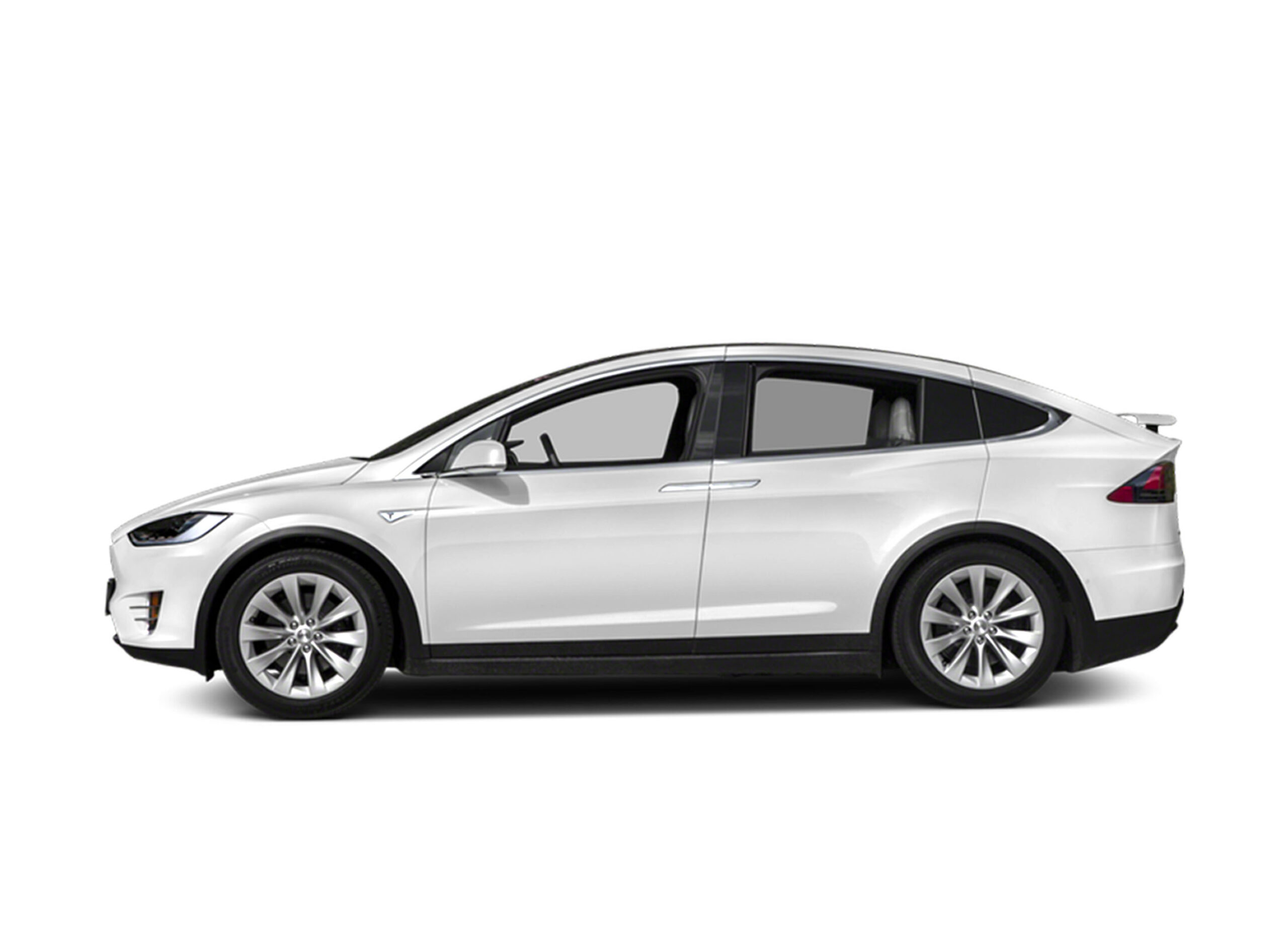
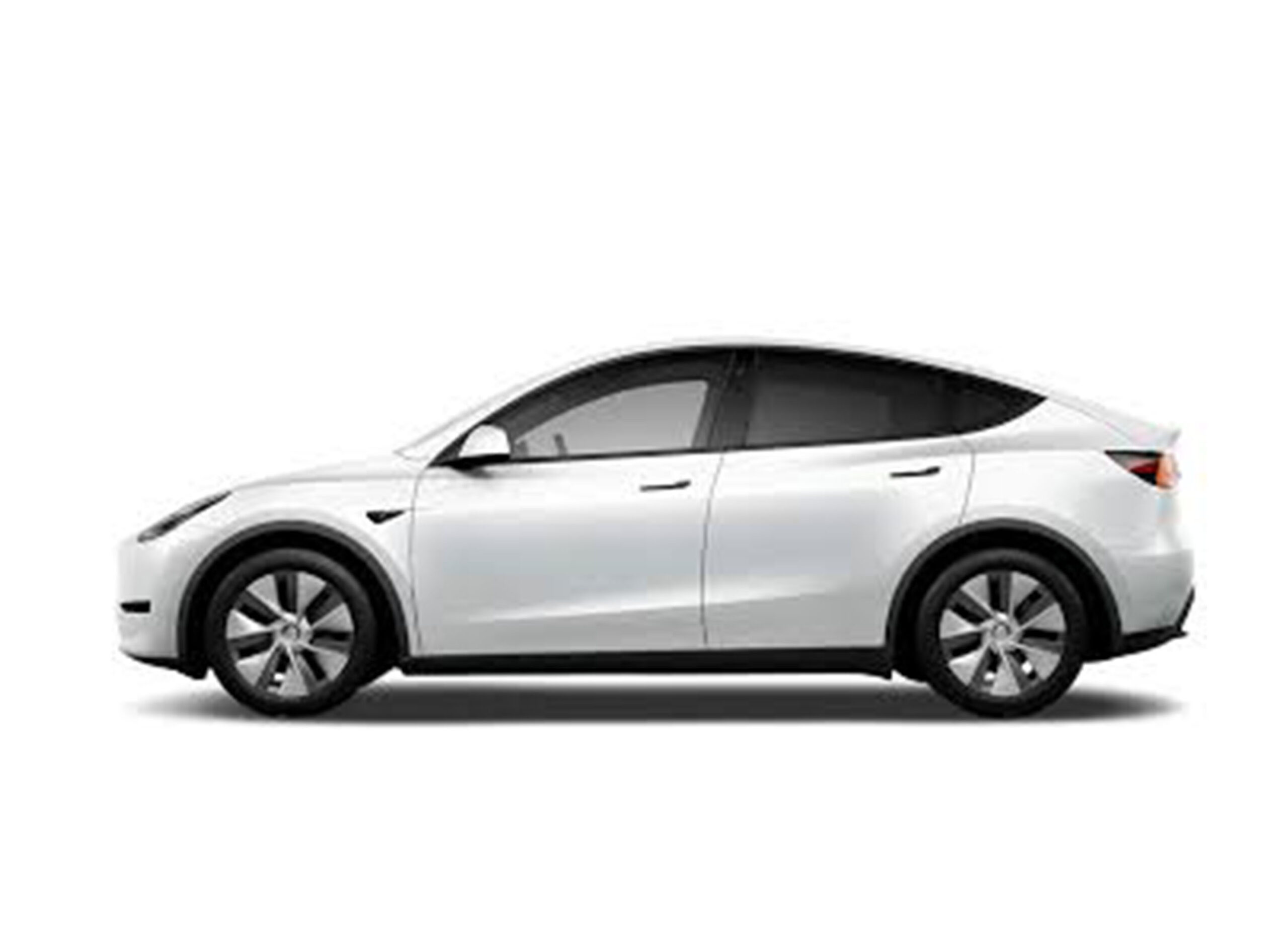
Choose from a wide selection of clean, current-model replacement cars, SUVs, trucks, electric, and luxury vehicles. We have the right courtesy vehicle for every need, so you are always supported with reliable transportation options.
16995 Yonge St, Unit # 4 Newmarket, Ontario L3Y 5Y1
905-291-4754

Great service, smooth process, and clean, reliable vehicle. Friendly staff, fair pricing, and no hassle at all. Highly recommend Estrada Car Rental!

Fantastic experience with Estrada Car Rentals! From start to finish, everything was smooth, easy, and well organized. The team was friendly, professional, and genuinely helpful, making the whole proc….

I recently rented from Estrada Car Rentals and was really impressed with the overall service. From start to finish, everything was handled efficiently and professionally.
Great service, smooth process, and clean, reliable vehicle. Friendly staff, fair pricing, and no hassle at all. Highly recommend Estrada Car Rental!
Fantastic experience with Estrada Car Rentals! From start to finish, everything was smooth, easy, and well organized. The team was friendly, professional, and genuinely helpful, making the whole proc….

After an unfortunate car accident, Darren made the whole car rental process super easy and stress-free. From delivering the car right to my home to picking it up after, everything was smooth.

Thank you Kenneth that he was so helpful and explained well when renting a car. Really appreciated!

I recently needed a vehicle for a few weeks while my car was in the shop, and Estrada Car Rentals in Newmarket made the entire experience incredibly easy. Lawrence and Darren personally delivered
After an unfortunate car accident, Darren made the whole car rental process super easy and stress-free. From delivering the car right to my home to picking it up after, everything was smooth.
I recently needed a vehicle for a few weeks while my car was in the shop, and Estrada Car Rentals in Newmarket made the entire experience incredibly easy. Lawrence and Darren personally delivered
We’ve answered some of the most common questions about insurance claims, how our process works, and insurance claims. If you don’t see your question here, our team is always happy to help.
Our team can guide you through setting up your claim and work directly with your insurance company. In most cases, we provide direct billing, which means you won’t have to pay out of pocket and wait to be reimbursed.
Our main service is insurance replacement rentals for customers whose vehicles are being repaired after an accident.
We also offer retail rentals at one location, and we may expand this service in the future. Whether you need a temporary vehicle after an accident or for another reason, we’re here to help.
Yes, we offer convenient pick-up and drop-off services to make the rental process as easy as possible. Just let us know your location, and we’ll arrange delivery and collection of the vehicle.
Our goal is to provide a rental similar to your vehicle, and sometimes an upgrade, so you can keep your routine with minimal disruption while your car is being repaired.
In Canada, auto insurance is required by law. After an accident, many drivers file a claim to cover repair costs and related expenses, and your insurer can help you decide the best option for your situation.
Most insurance companies recommend reporting an accident as soon as possible, ideally within seven days.
However, depending on your policy, you may have up to two years to file a claim. Reporting the accident quickly can help avoid delays or complications with your claim.
Accidents often must be reported under local laws and insurance rules. Failing to report can cause problems down the road, as the other driver may still file a claim, which could affect your insurance record and raise your premiums.
Usually, it’s best to contact your own insurer first. They can guide you through the process and coordinate with the other driver’s insurance if needed.
Yes. In Ontario, a police report isn’t usually required if damage is under $2,000 and no one is injured. You still need to notify your insurance company, as failure to do so could cause problems if the other party files a claim later.
Regardless of who is at fault, notify your insurance broker, agent, or company within seven days of an accident. Waiting too long could delay or deny your claim.
Here’s what you should do:
Complete a “proof of loss” within 90 days of the accident
Notify the other driver’s insurance company, if applicable
Inform the other driver if there’s a claim against them
Review your policy and contract terms if you plan to take legal action
Gather Key Information
Your insurance policy number and the registered owner’s details
Vehicle information: make, model, year, registration, and license plate
Accident details: time, date, location, and a description of what happened
Damage to your vehicle and any injuries, including the number of passengers
Other driver(s) information: names, license numbers, insurance company, and policy numbers
Police information: officer name and badge number, if applicable
Once submitted, your claim will be reviewed by your insurance company. The process may vary depending on:
The severity and nature of the accident
Your insurer’s policy on claims
Whether there were injuries, property damage, or both
Providing complete and accurate information up front helps ensure your claim is handled smoothly and fairly.
After you file your claim, a claims adjuster will be assigned to review your policy, confirm coverage, and guide you through the process. They may contact you for additional information during the investigation.
Medical Care and Vehicle Repair
Your insurance will cover injury and repair costs while fault is being determined. Once responsibility is clear, your insurer may work with the other driver’s insurance company to settle payment. If the other driver is at fault, your insurer can recover costs through subrogation.
Not all claims affect your insurance. Premium changes depend on the claim type, insurer, and province, and some laws prevent rate increases or policy cancellations for certain losses.
Comprehensive Claims
Claims for things like theft or damage from falling objects usually do not increase your premiums, unless multiple claims happen in a short period. These types of damage are considered out of your control.
Consumer Protections for Claims
Recent consumer protection laws outline which events can affect your rates and which cannot. Ask your insurer for a list of non-surchargeable events and how long any surcharges last.
Claims That Will Increase Premiums
Claims caused by illegal or unsafe driving can lead to higher premiums or even policy cancellation.
Fighting a Low Car Insurance Claim Settlement
Disputing a low insurance settlement can be stressful, but with the right approach, you can get the compensation you deserve.
Prepare Yourself
Before responding to an offer, review your policy and understand the value of your claim. Keep all receipts and documents for expenses related to the accident. Decide on the minimum settlement you’re willing to accept and know when it’s time to consult an insurance attorney.
Talk with the Insurance Adjuster
If the initial offer is too low, explain why. Remember, adjusters are trained to settle for the lowest amount, so it’s normal to negotiate. Don’t hesitate to reject the first offer and request a higher settlement.
If the adjuster isn’t responsive, ask to speak with a supervisor or someone higher up, and consider sending written documentation to support your case.
If negotiations fail, you can file a complaint with your provincial Department of Insurance. Hiring an experienced insurance attorney can also help you navigate the process. Let your insurer know if you need time to seek legal advice before accepting or rejecting an offer.
Ontario has a partial no-fault insurance system, which can be confusing. Police may lay charges, and insurance companies assign fault for settlements. The “no-fault” part means your insurer provides certain benefits regardless of who caused the accident.
Fault for Car Insurance Claims
Fault is always determined in car accidents. Police may assign guilt for traffic violations, but not all accidents result in charges. Insurance companies use the Ontario Insurance Act and the Fault Determination Rules to decide responsibility or shared fault. If you disagree, you can formally complain to your insurer and provide additional information to your claims adjuster.
Accident Benefits Claims
Claims for serious injury or death can have the highest chance of going to court, but most are settled before trial. Victims can seek compensation for pain and suffering, lost income, and future earnings, but pain and suffering is usually only considered in severe cases.
Most disputes like this are resolved in lawyers’ offices or through mediation, rather than in a courtroom. If the parties cannot agree, the case may proceed to court, with the possibility of a third-party mediator helping to settle.
Sometimes you may disagree with your insurance company about your benefits or the amount you’re entitled to. In Ontario, the Financial Services Commission of Ontario (FSCO) provides a dispute resolution process as an alternative to court.
This process is designed to be faster and more efficient than a lawsuit and includes mediation, evaluation, arbitration, and appeals. It’s thorough, impartial, and helps drivers resolve disputes.
For more details, including the full Dispute Resolution Practice Code, you can visit the FSCO website: https://www.fsco.gov.on.ca
• Hyundai Venue
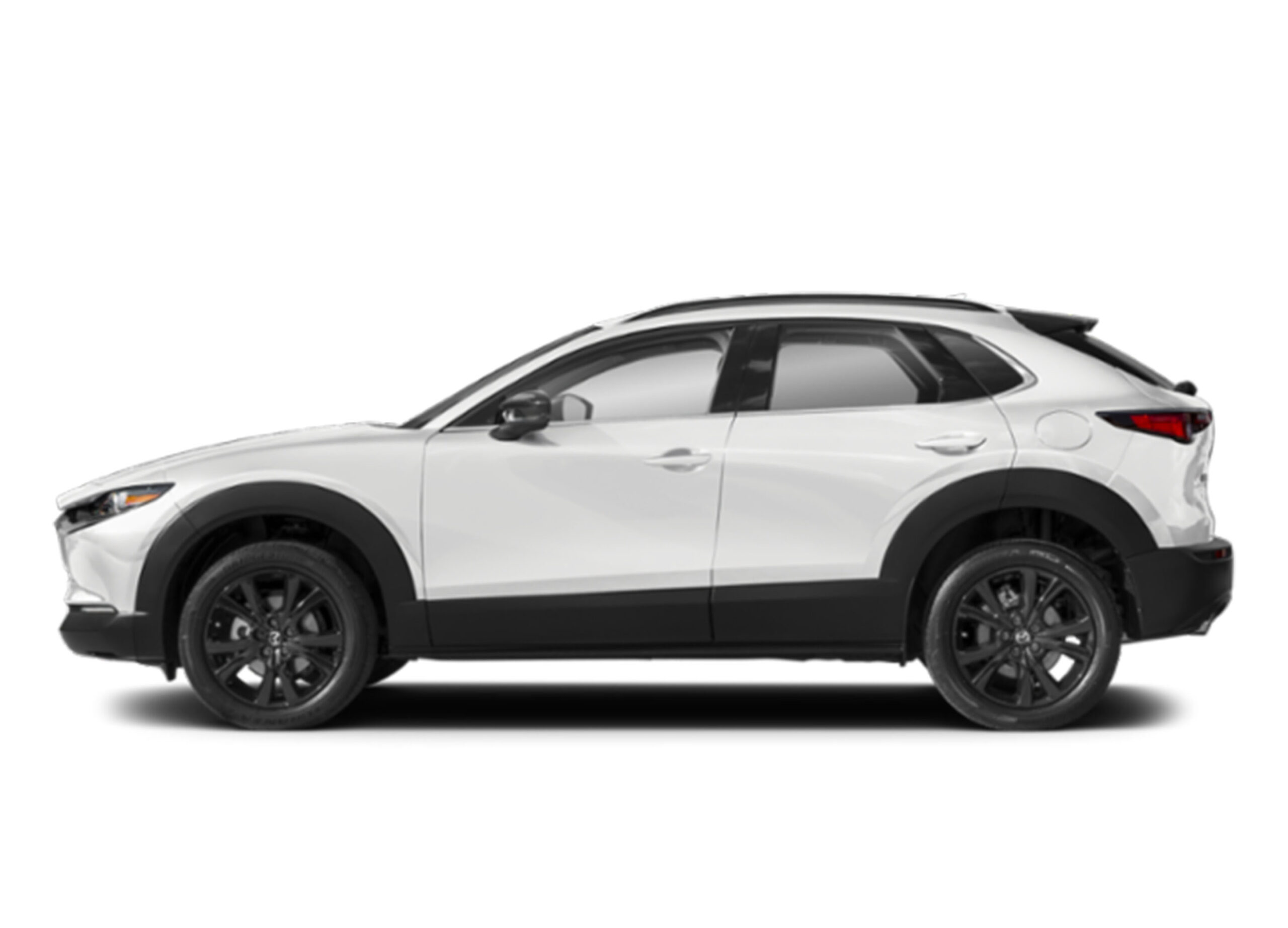
• Mazda CX-30
• Chevrolet Trax
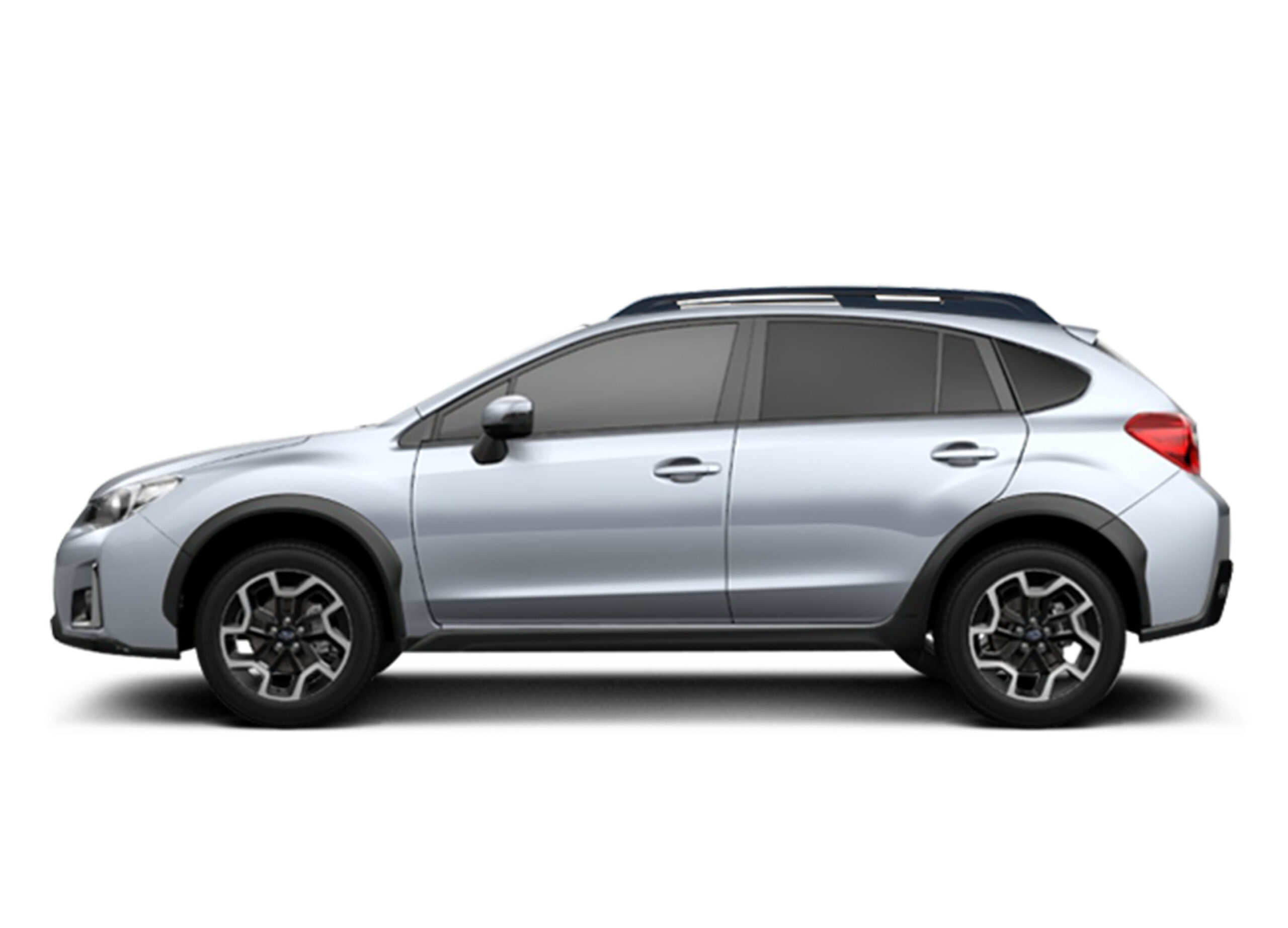
• Subaru Crosstrek
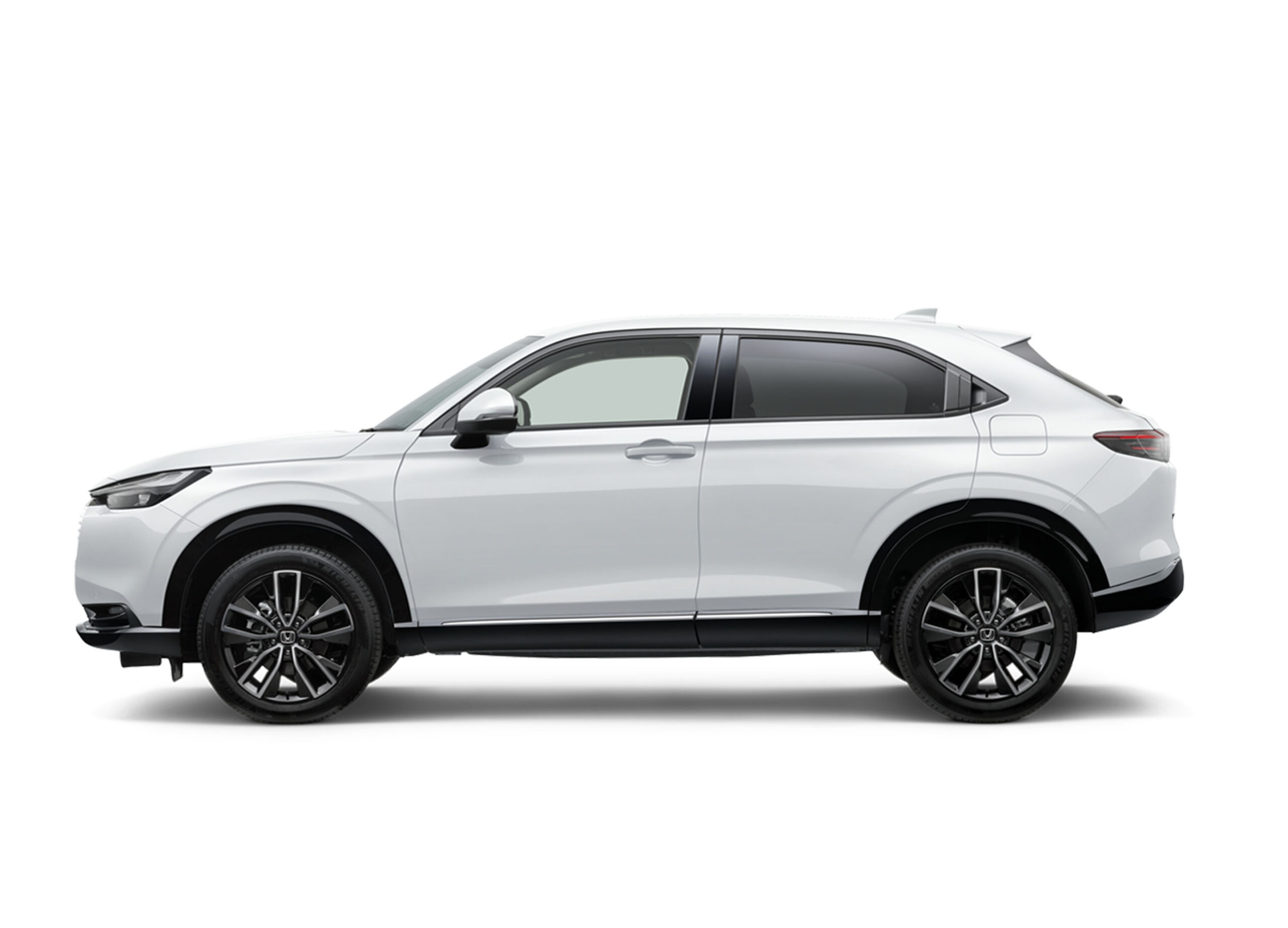
• Honda HR-V
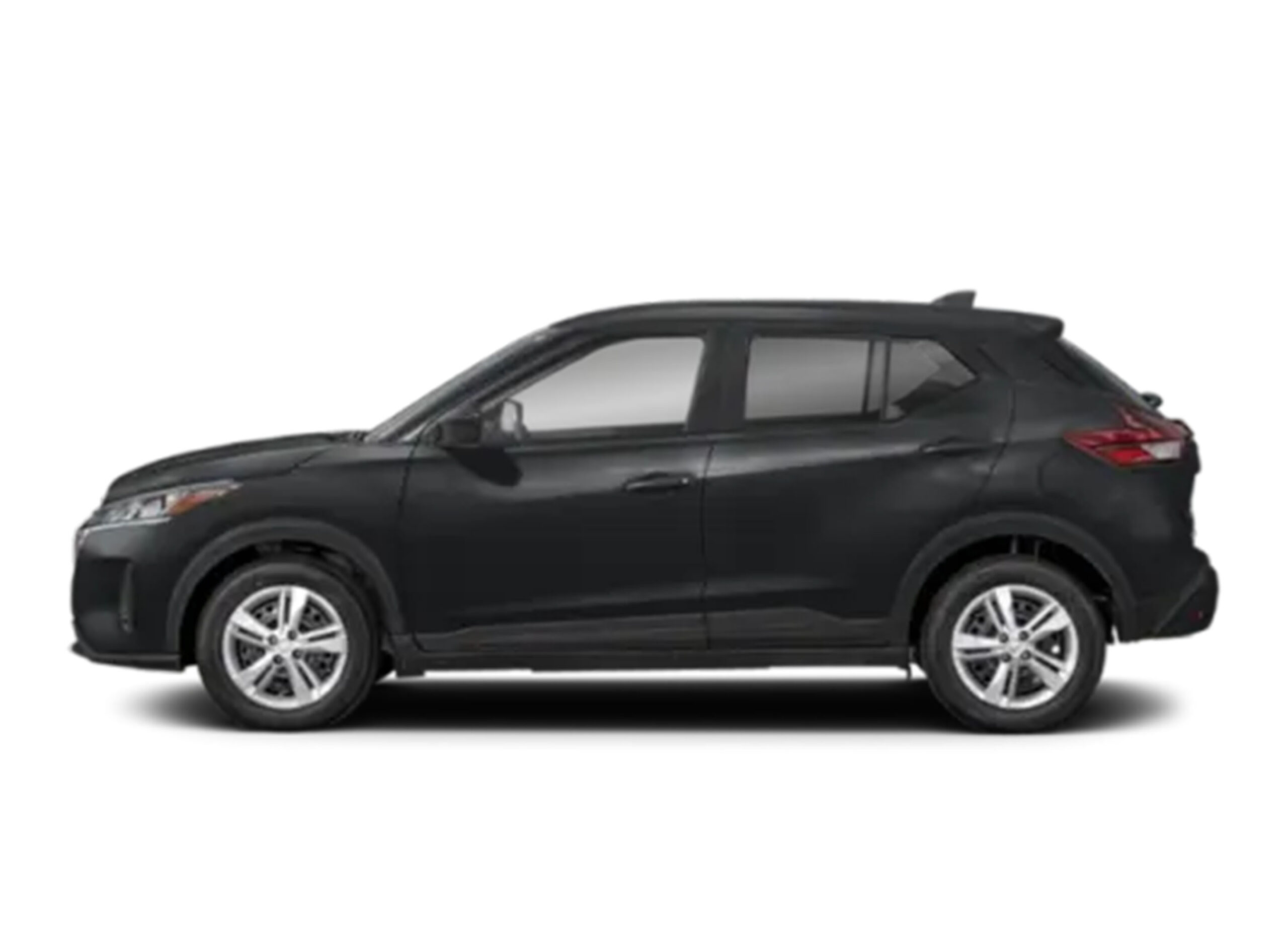
• Nissan Kicks 025
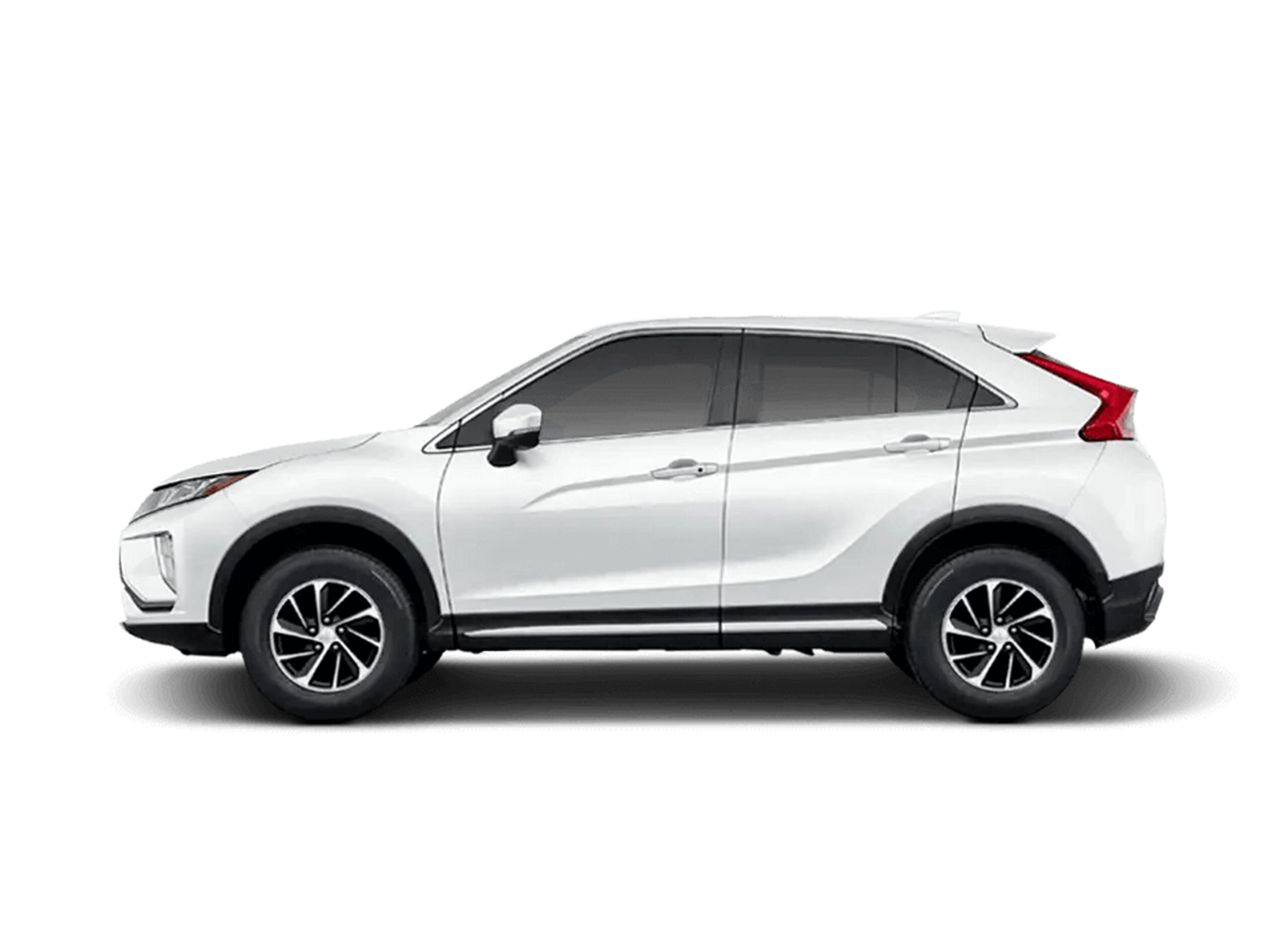
• Mitsubishi Eclipse Cross
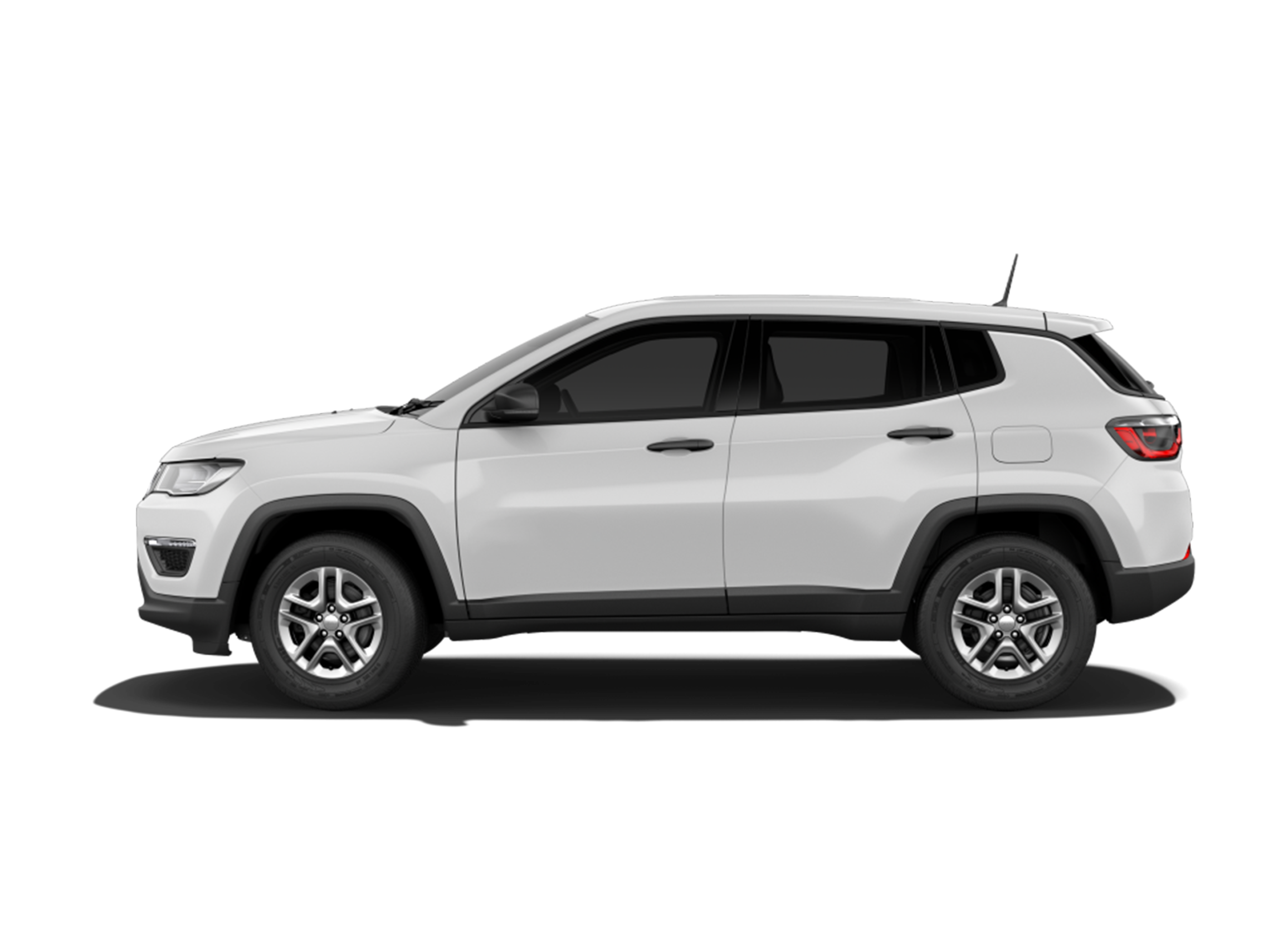
• Jeep Compass
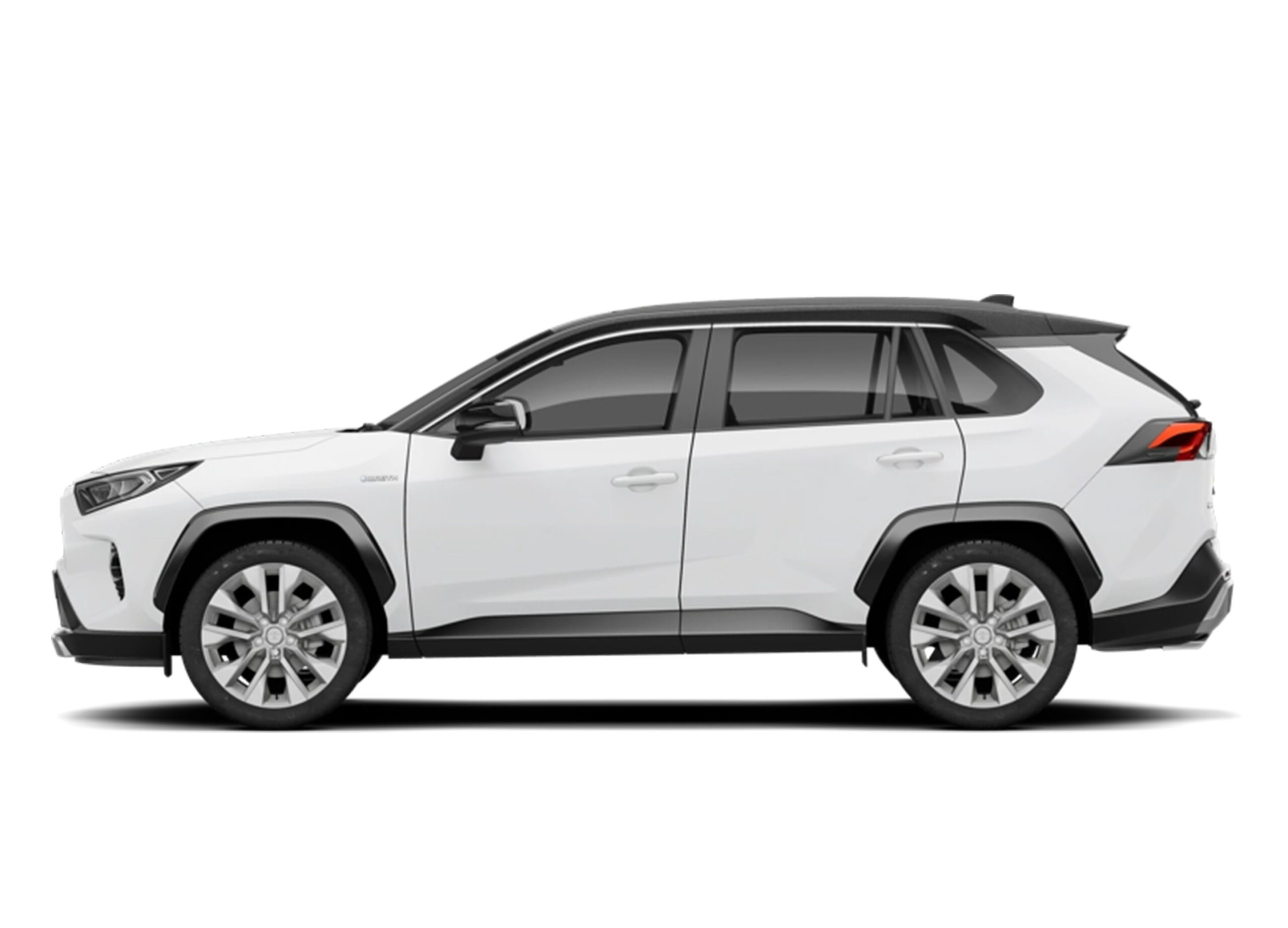
• Toyota RAV4
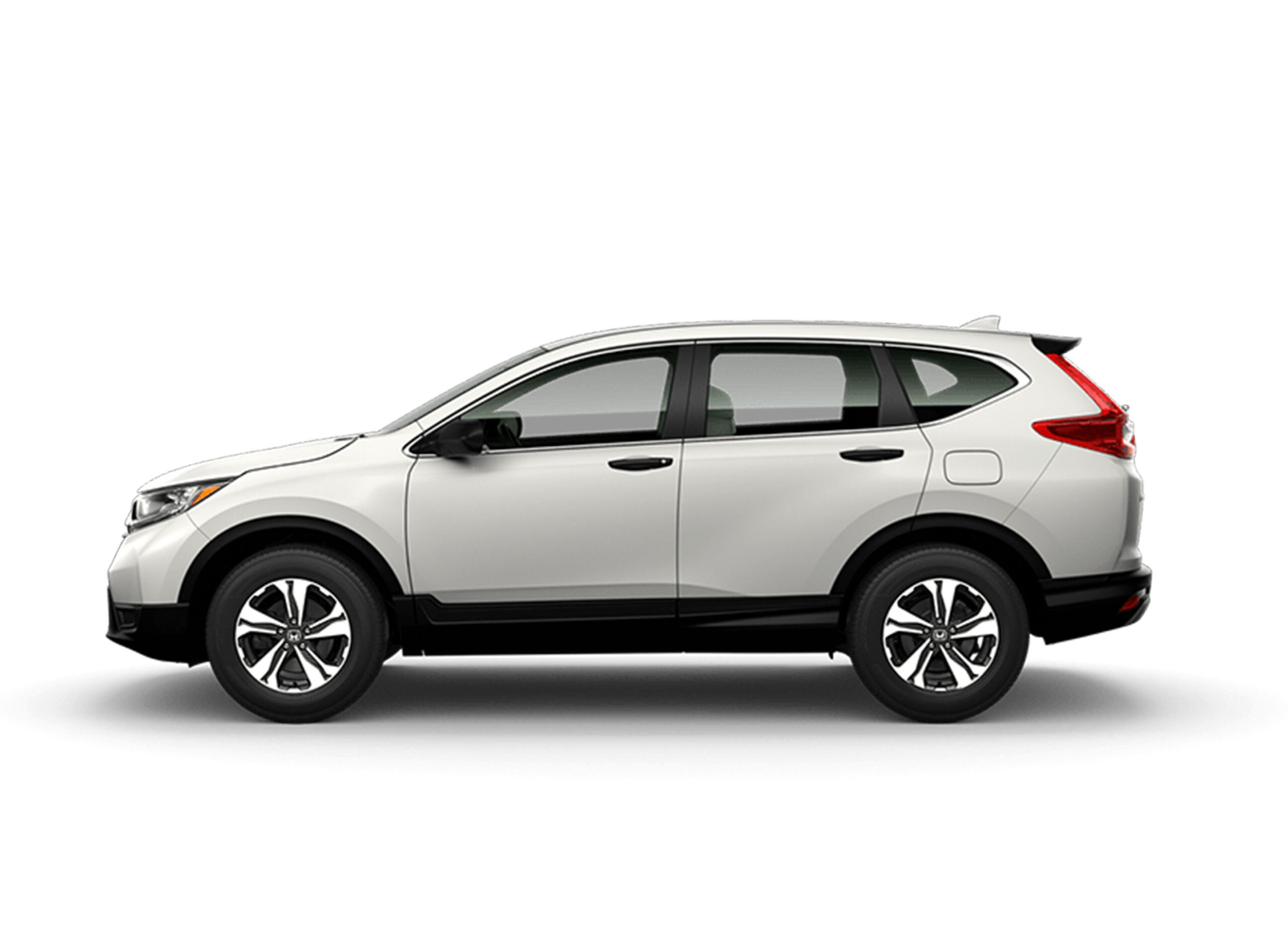
• Honda CR-V
• Chevrolet Equinox
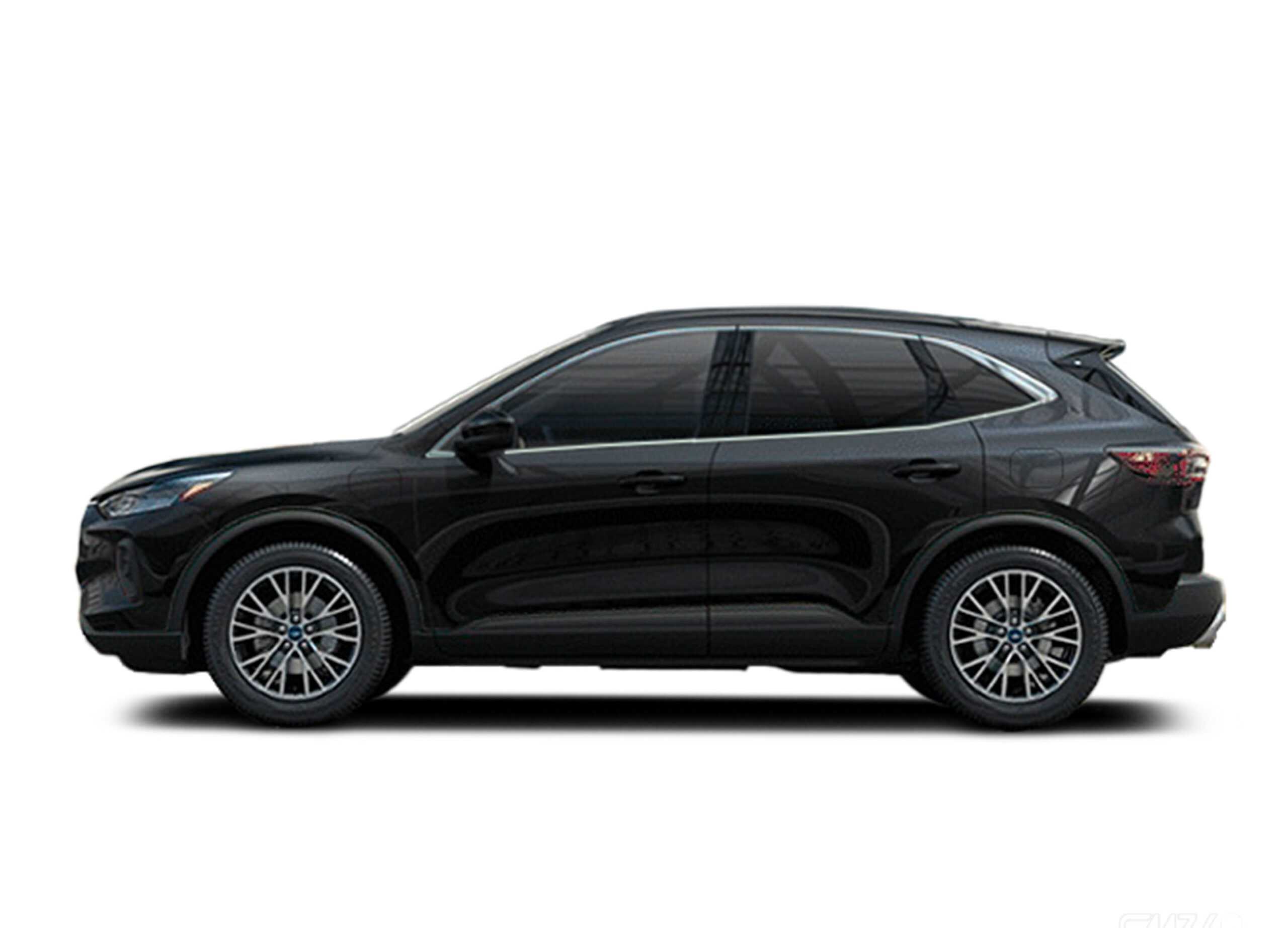
• Ford Escape
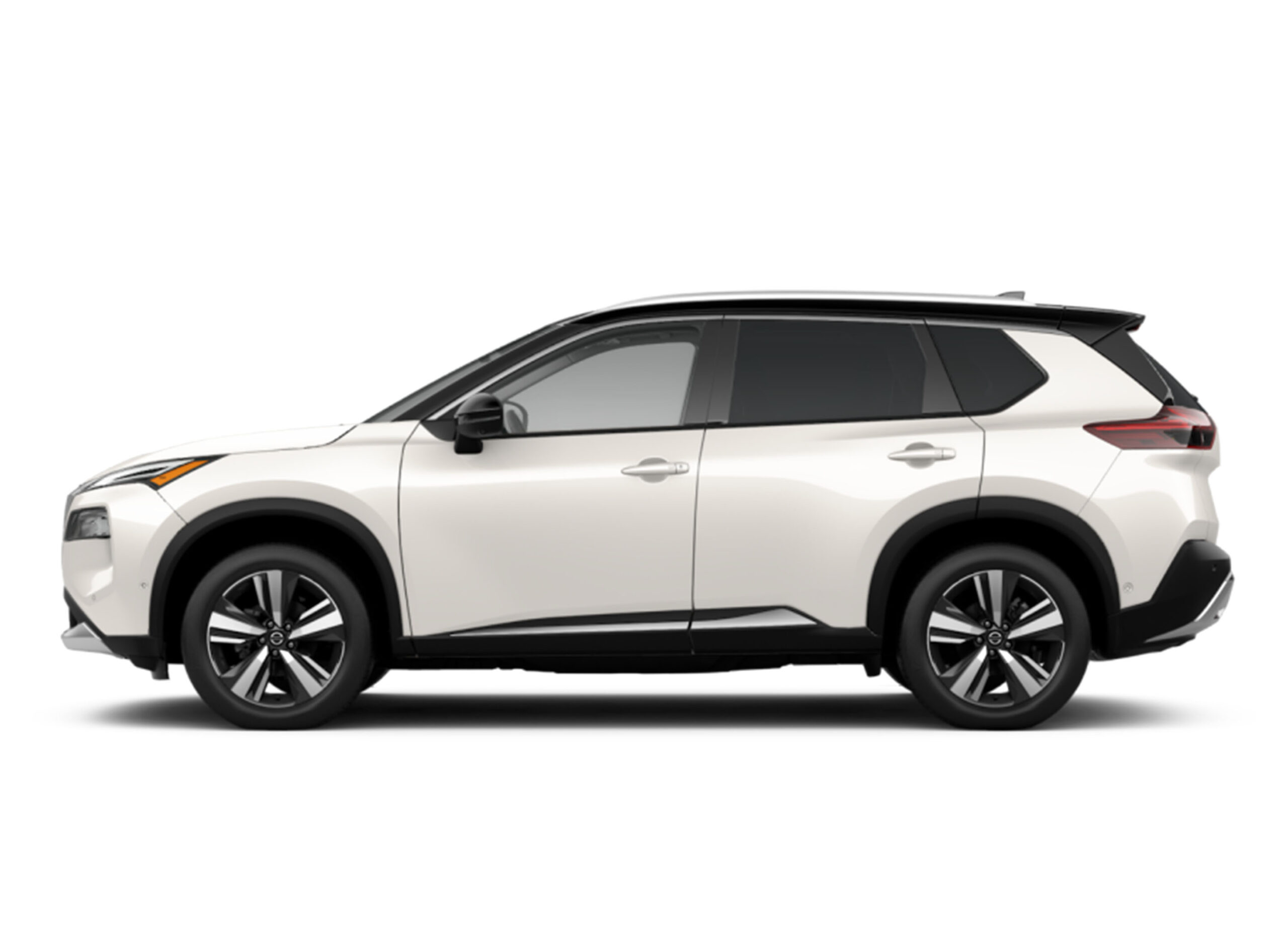
• Nissan Rogue
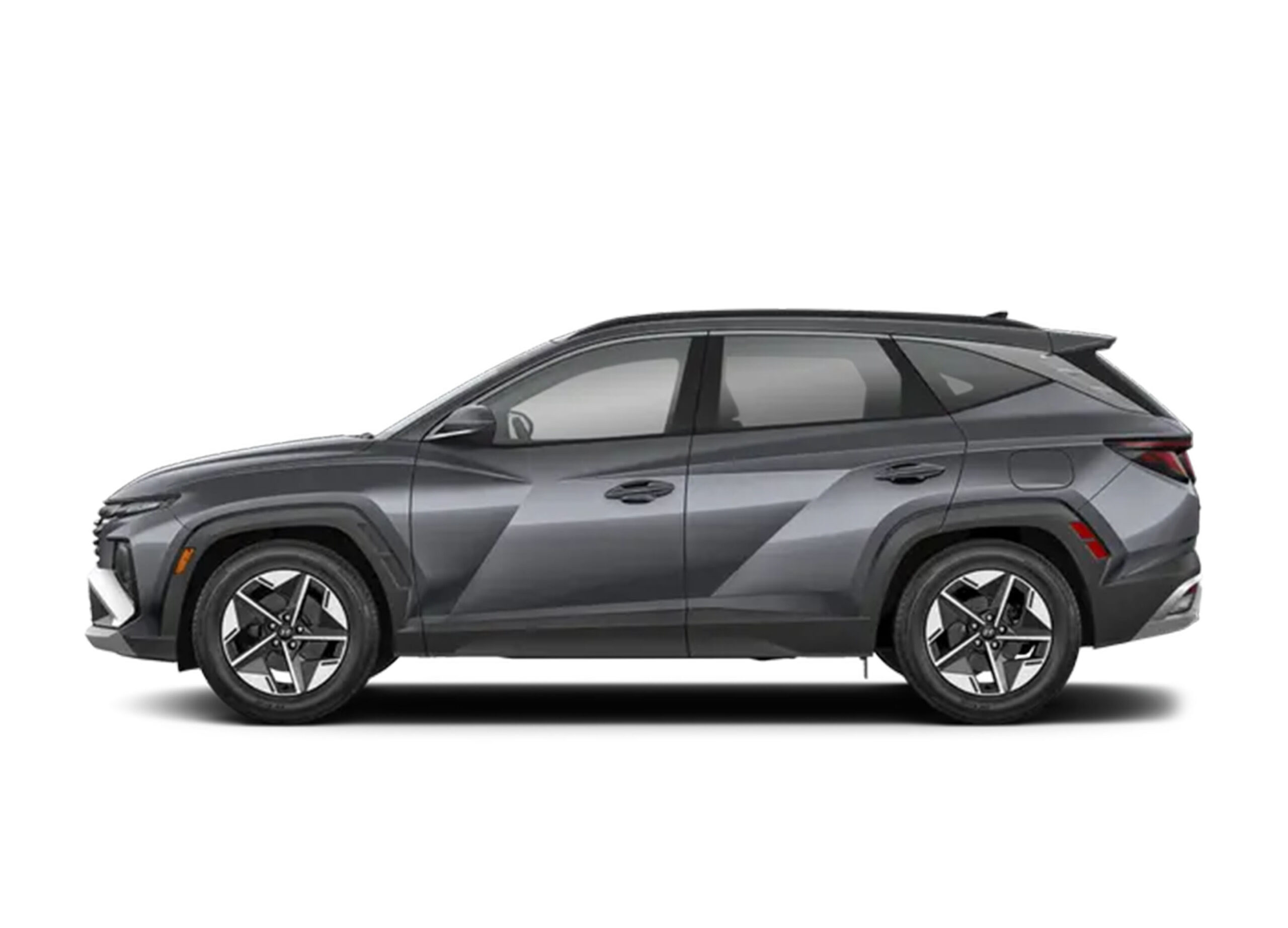
• Hyundai Tucson
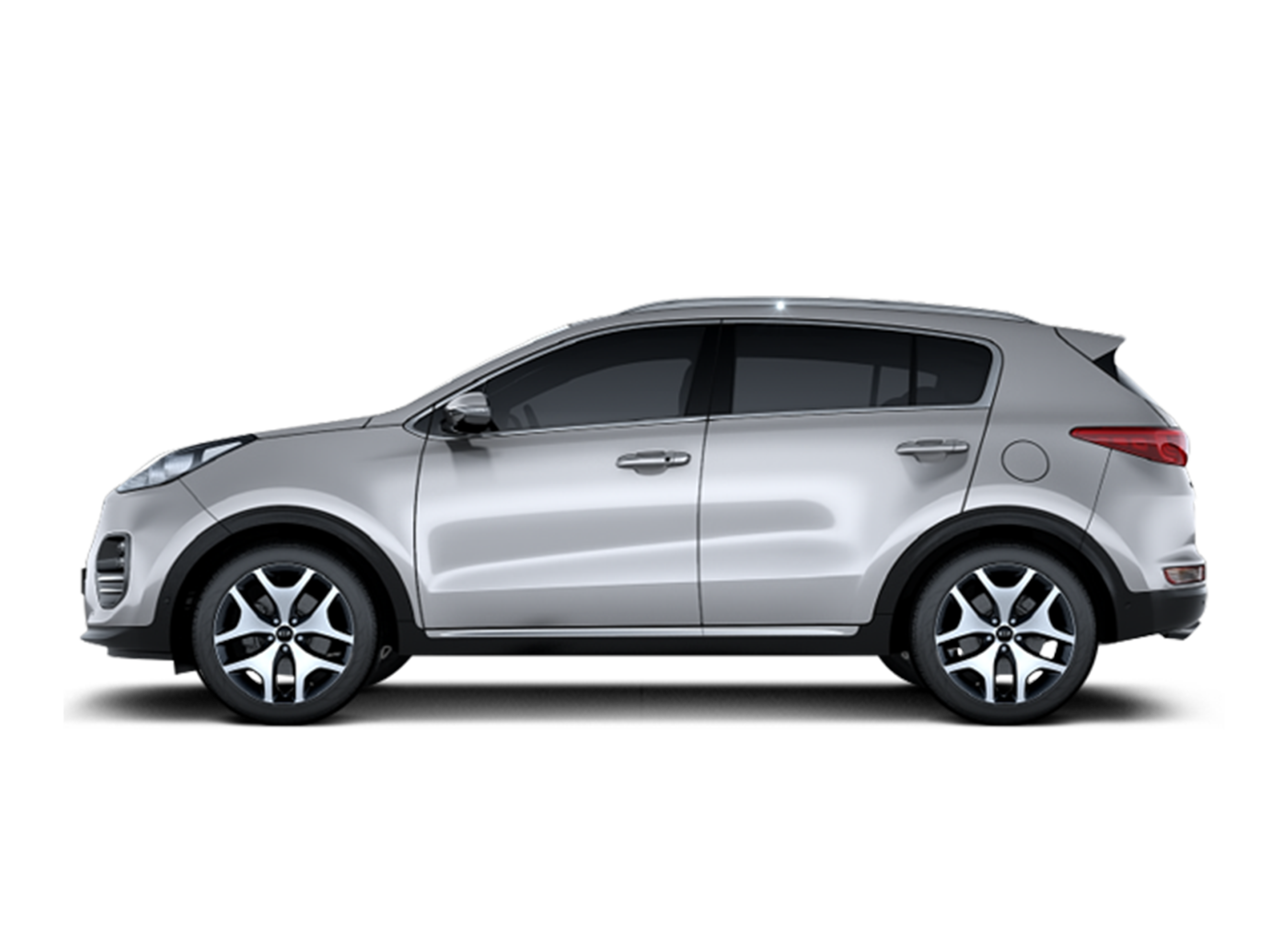
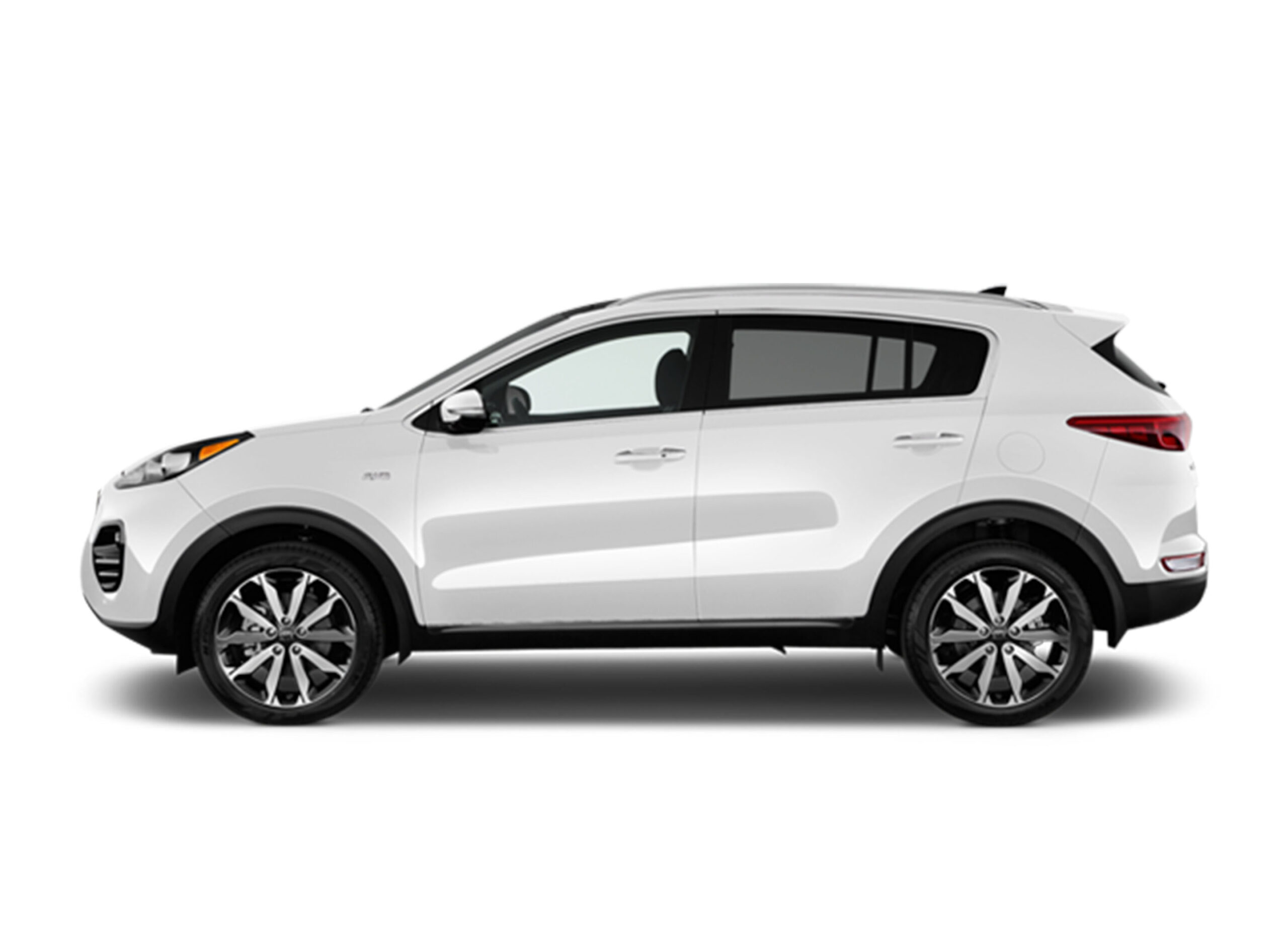
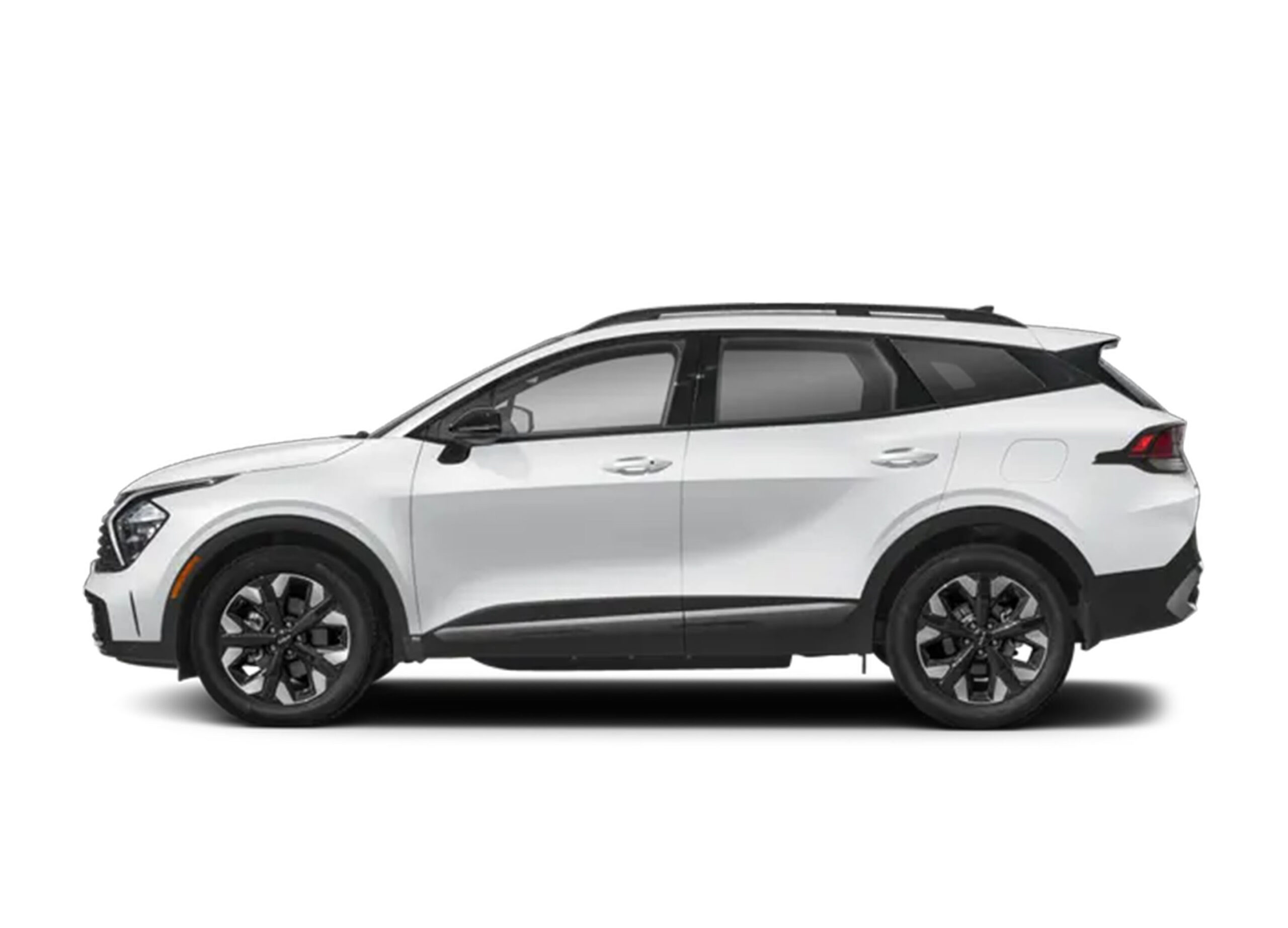
• Kia Sportage
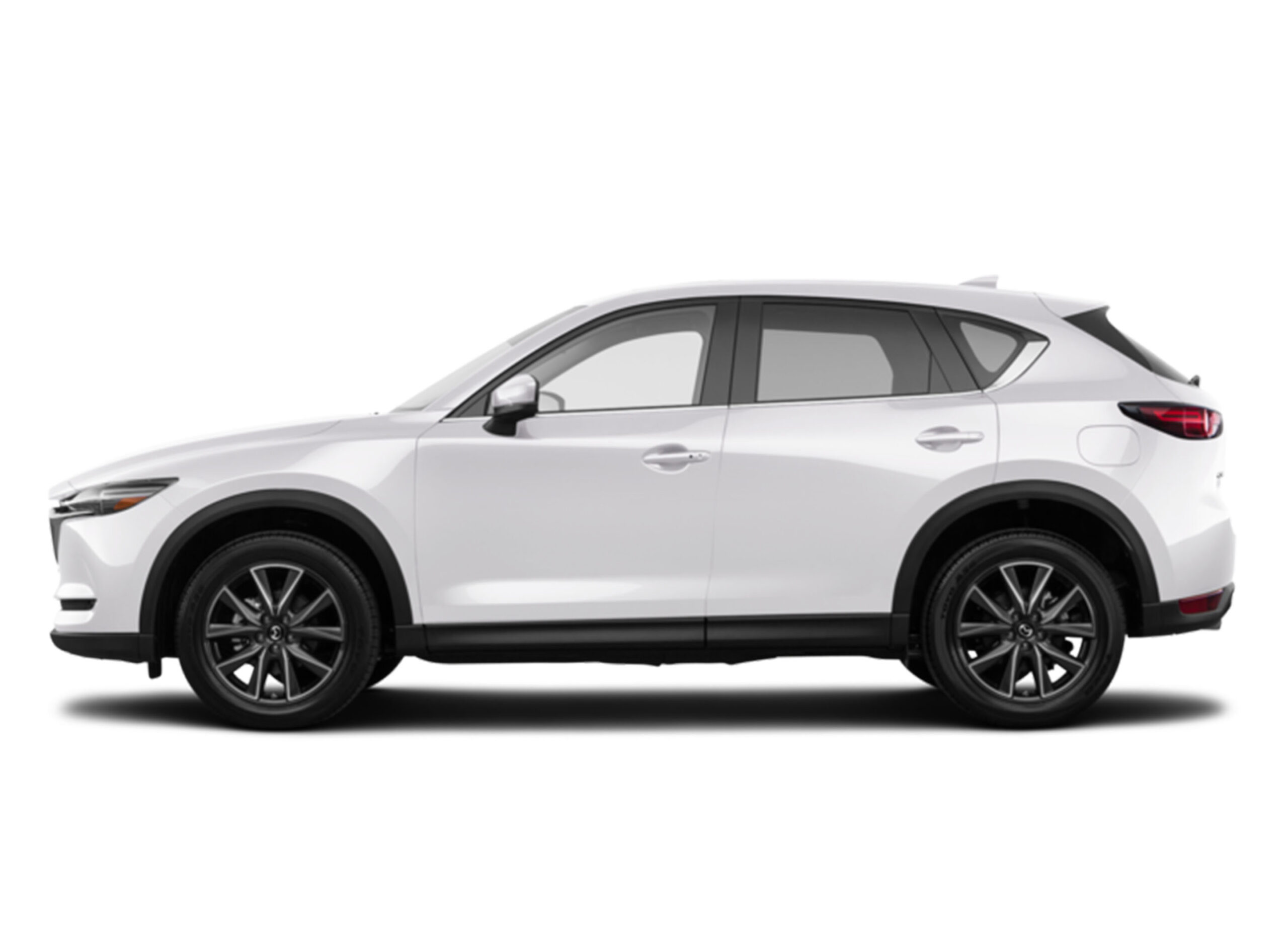
• Mazda CX-5
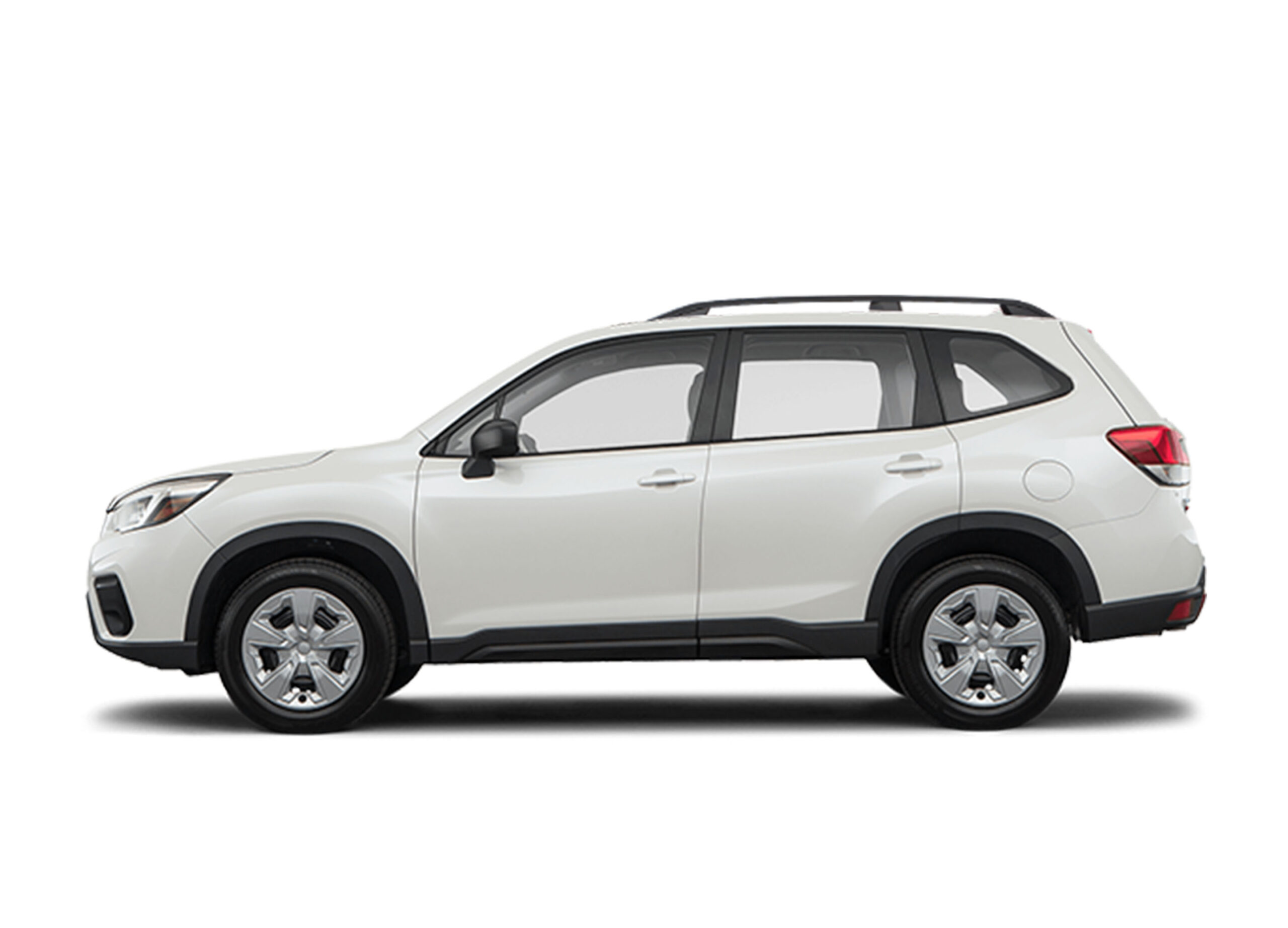
• Subaru Forester
• Volkswagen Tiguan
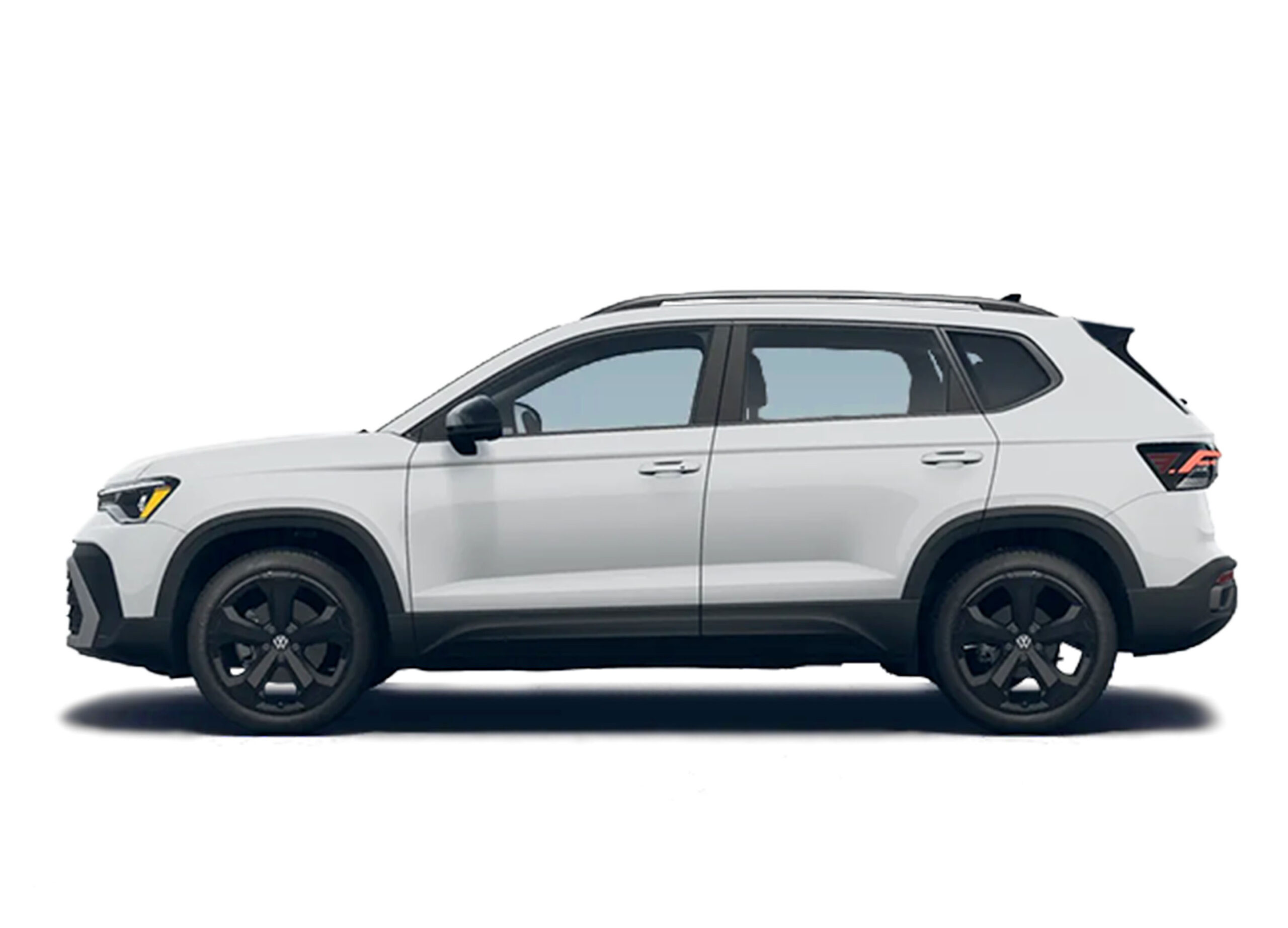
• Volkswagen Taos
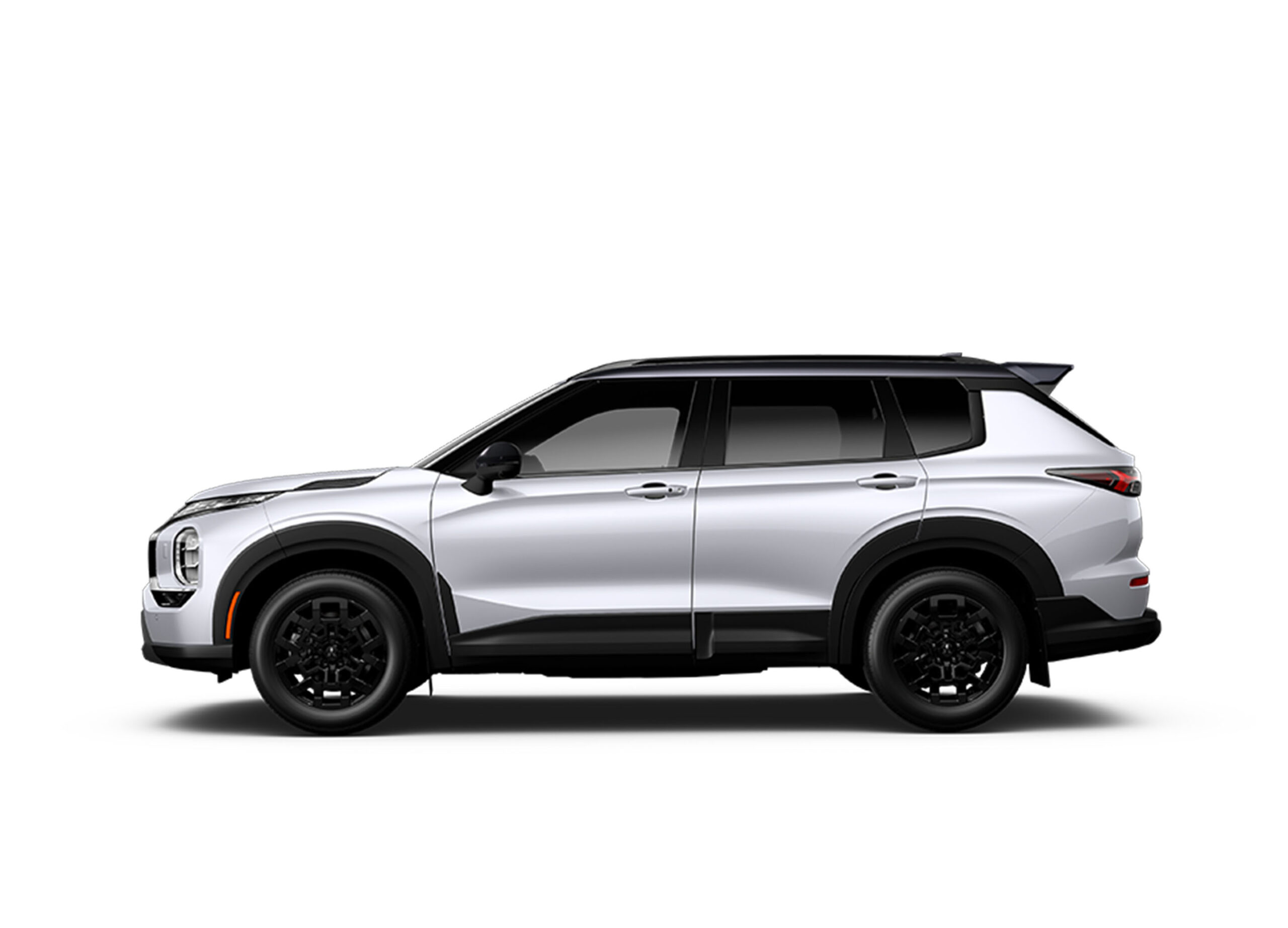
• Mitsubishi Outlander
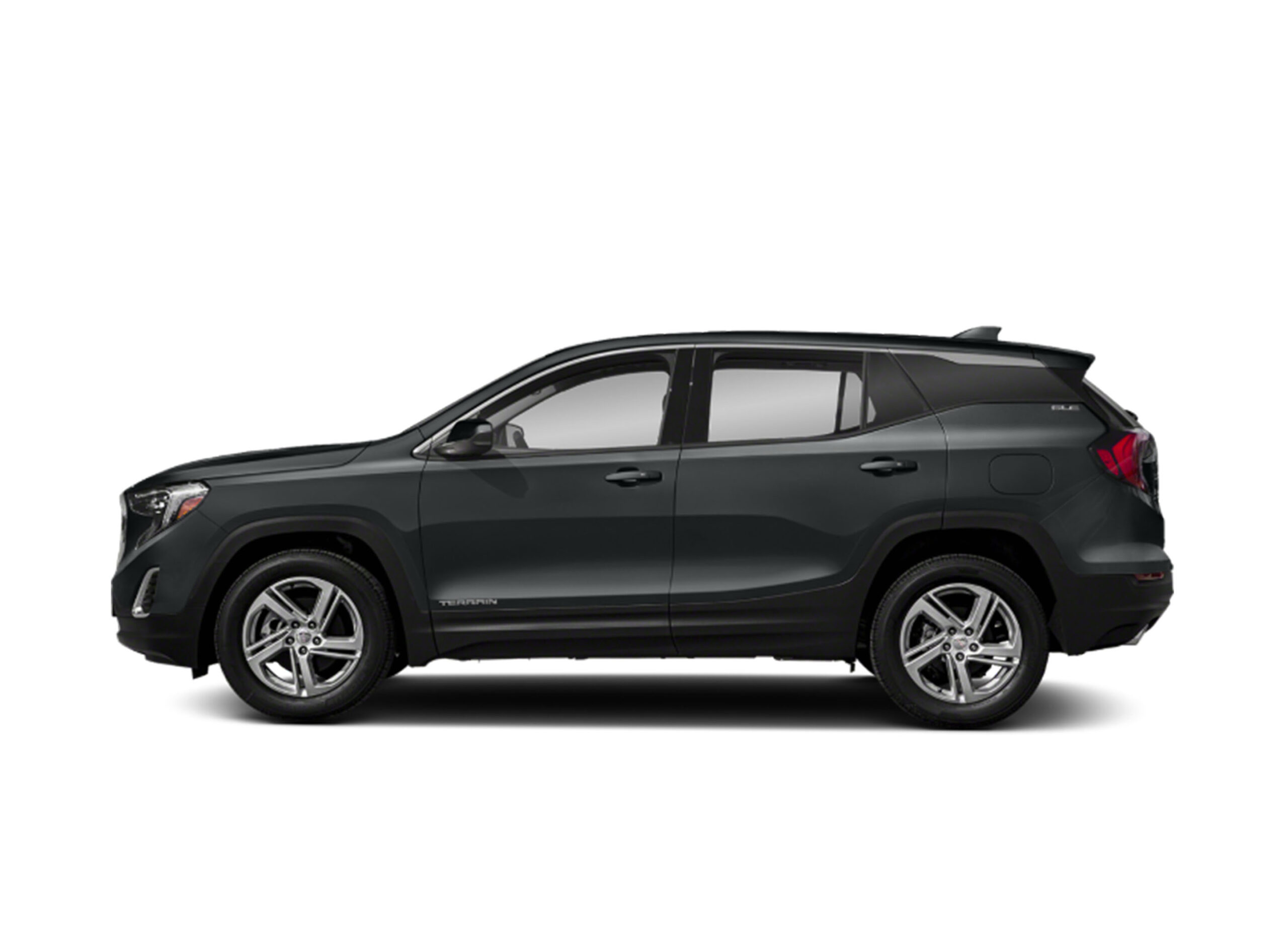
• GMC Terrain
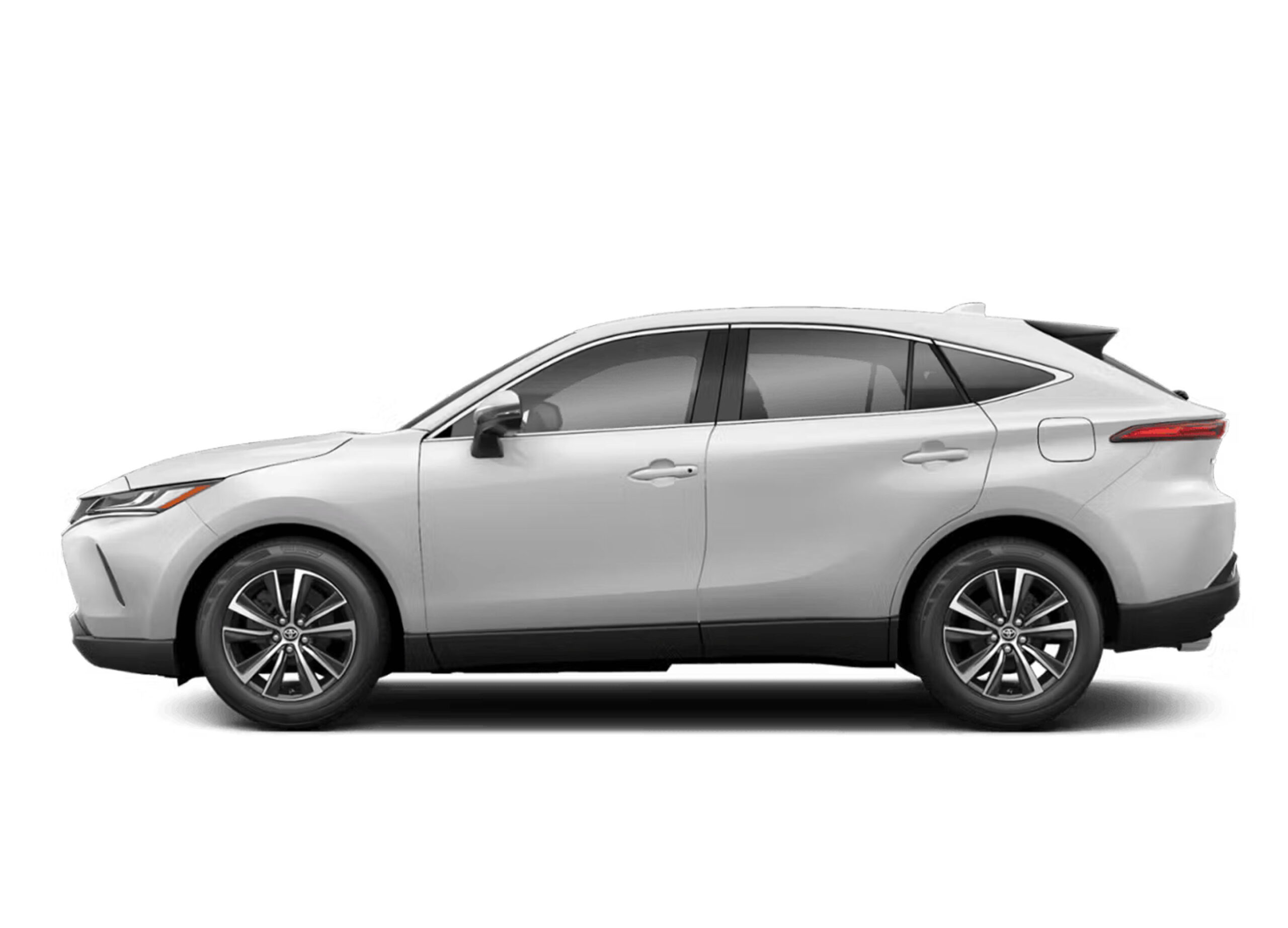
• Toyota Venza
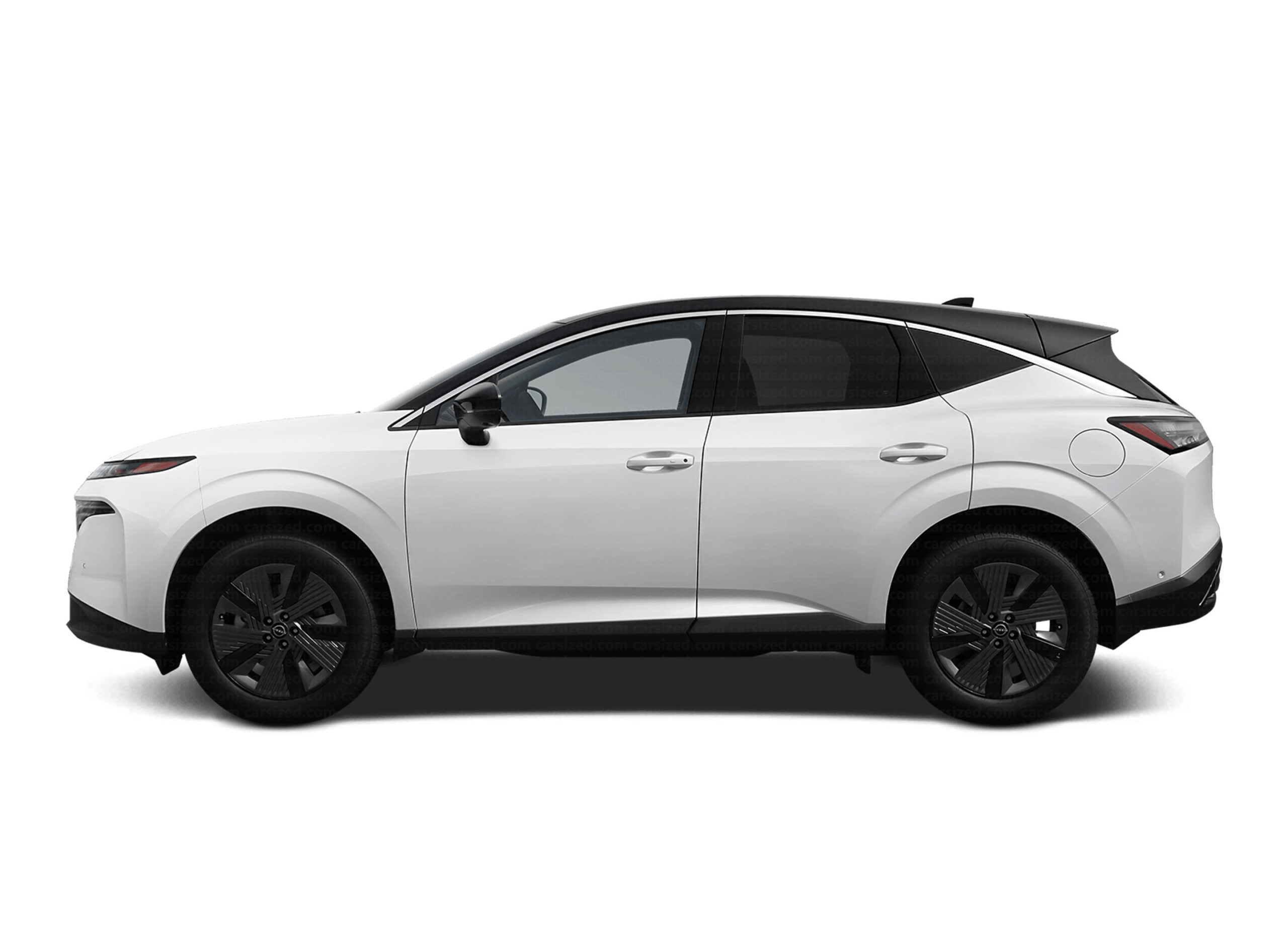
• Nissan Murano
• Hyundai Santa Fe
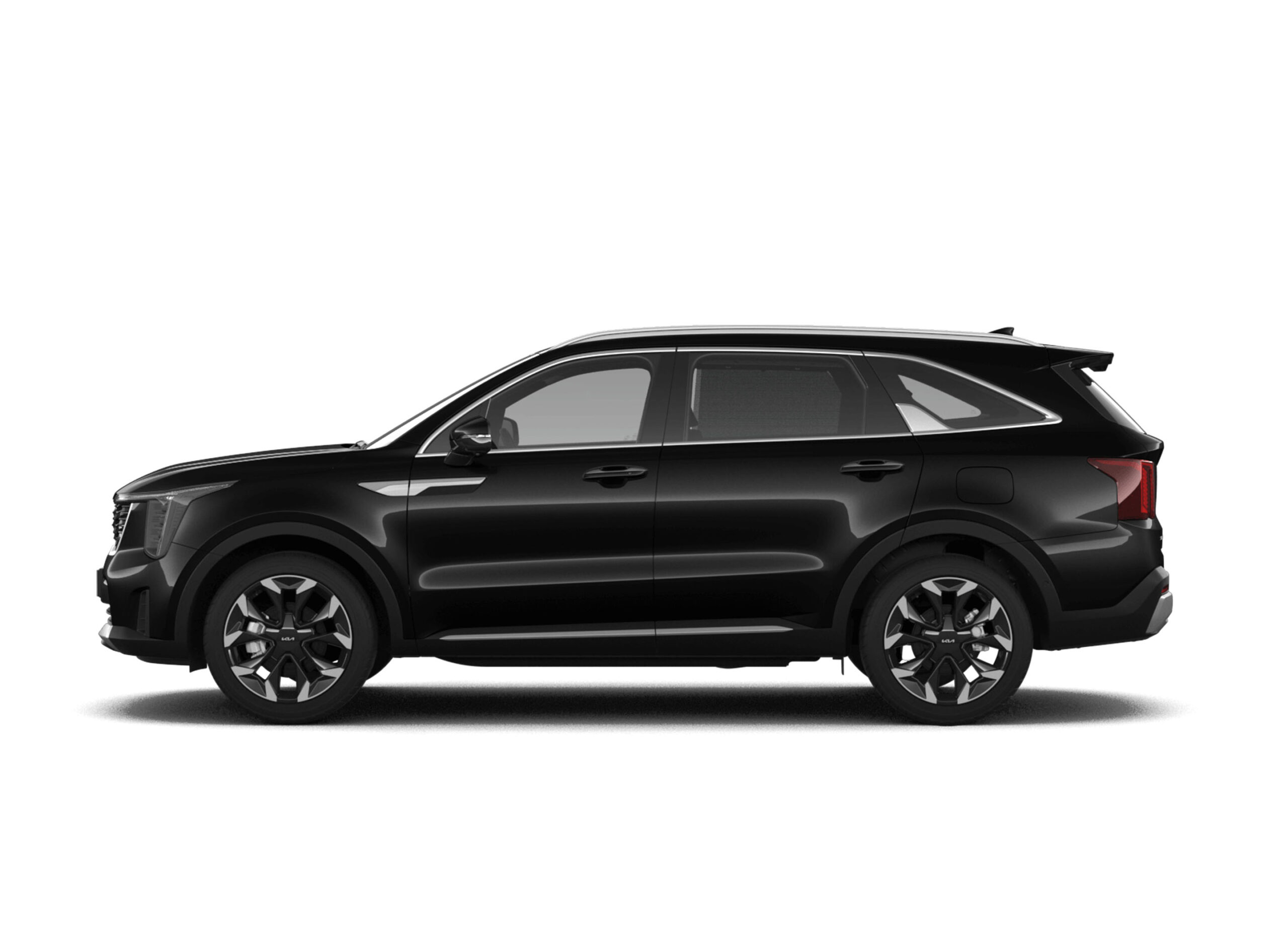
• Kia Sorento
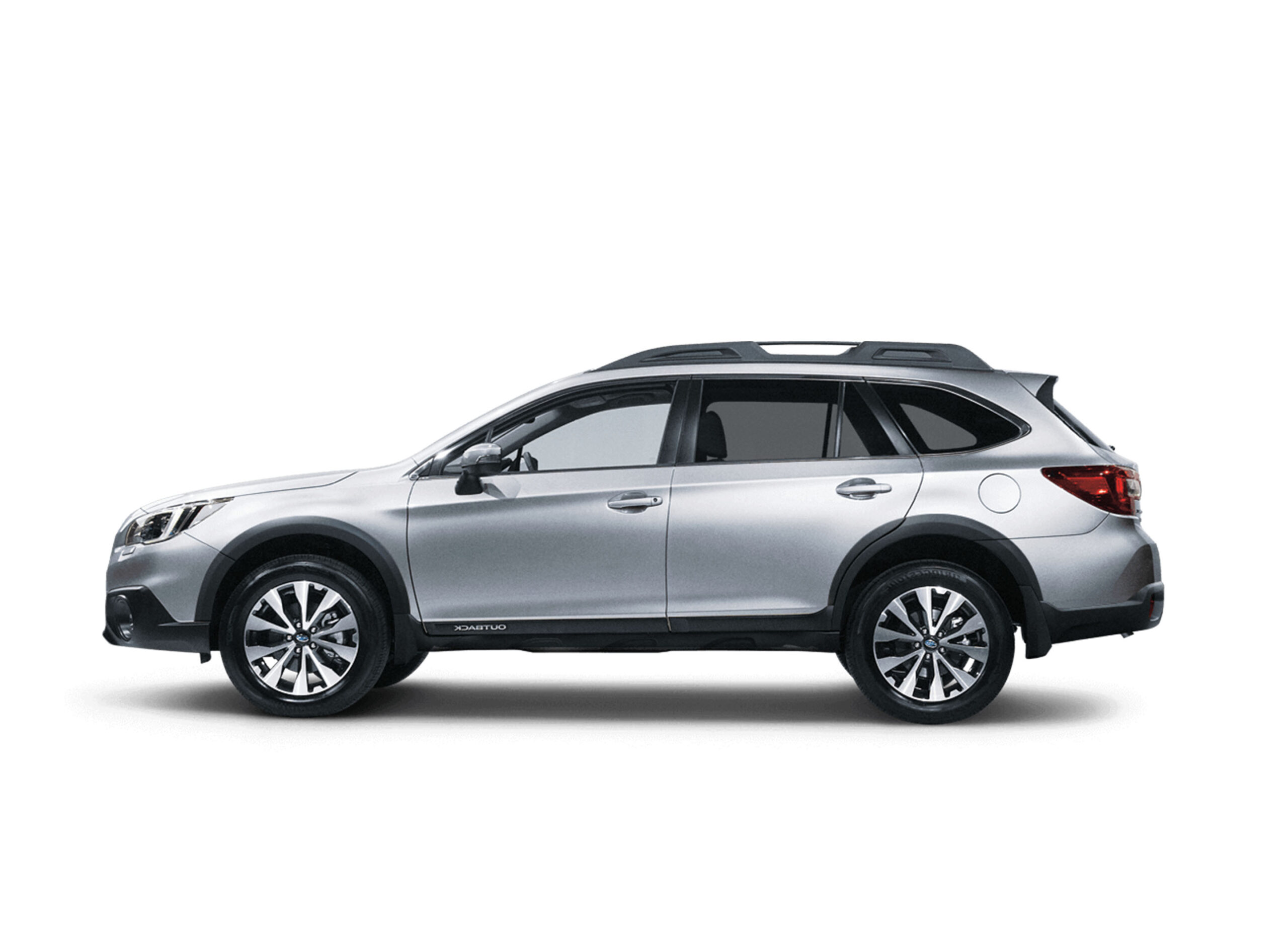
• Subaru Outback